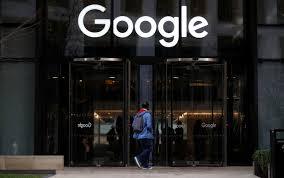
Workers at Google DeepMind in the UK have voted to unionise after growing concern over the company’s military ties and the use of artificial intelligence in war. The move marks one of the first major labour actions inside a leading AI research lab and shows how sharply the debate around AI ethics has shifted inside the tech industry.
The effort centres on workers at the London-based lab who asked management to recognise the Communication Workers Union and Unite the Union as representatives for UK staff. More than 1,000 employees could fall under the union if Google accepts the request.
Several workers said fears about military use of AI pushed them toward unionising. Their concerns increased after reports that Google was close to signing a deal with the United States Department of Defense. That agreement became official last week.
Google Workers Challenge AI’s Role in War and Surveillance
One employee said they feared AI systems could support “authoritarianism” through military and surveillance tools. Another worker linked their concerns to the war in Gaza and Google’s past contracts with the Israeli government. Employees argued that technology built to help people could instead support violence and mass surveillance.
Google responded by saying it values dialogue with employees and remains focused on creating a positive workplace. A company spokesperson also said Google was not aware of any formal vote to unionize.
The dispute reflects a wider shift inside the tech industry. Workers once focused on pay, hours, and office conditions. Now many also want a voice in how companies use the products they build. AI researchers, engineers, and developers increasingly see ethical decisions as part of their jobs.
The pressure on Google has built for years. In 2018, employees protested against Project Maven, a Pentagon contract that used AI to analyze drone footage. Thousands of workers signed petitions against the project, forcing Google to step away from the contract in 2019.
After that backlash, Google published AI principles that included a pledge not to develop AI for weapons. The company later removed that promise, which angered many employees.
Silicon Valley’s Internal Battle Over Military Might
Workers inside DeepMind said the change played a major role in their decision to organize.
The Pentagon’s latest AI partnerships show how central artificial intelligence has become to modern defense planning.
Alongside Google, companies including OpenAI, Microsoft, Amazon Web Services, NVIDIA, SpaceX, and Reflection joined agreements with the Pentagon. Defense officials said the goal is to create an “AI-first fighting force” that can improve military decision-making.
Critics inside Google argue that such partnerships create moral risks. Some employees worry that safeguards in these agreements are too weak. Reports suggest Google’s contract states its AI should not support domestic mass surveillance or autonomous weapons without human oversight. But workers note that these limits are not legally binding.
Union supporters are also asking for stronger internal protections. Their demands include an independent ethics body and the right for workers to refuse participation in projects they believe are harmful. Some employees have discussed possible “research strikes,” where staff would avoid work that improves major AI systems while still completing smaller tasks.
The tension is not limited to Google. Across Silicon Valley, workers have challenged company leadership over military and surveillance contracts. Employees at Microsoft protested the company’s links to Israeli military systems. Amazon workers have also criticized Project Nimbus, a cloud computing contract with Israel.
DeepMind’s Union Drive and the Battle for AI Oversight
Investors have joined the debate as well. Shareholders holding billions of dollars in Alphabet stock recently demanded more transparency around Google’s AI and cloud work in “high-risk” areas. They raised concerns about military applications, immigration enforcement, and oversight of AI systems used in conflict zones.
The union drive at DeepMind may become a major test for the AI industry. Until now, many AI researchers held strong influence because companies competed heavily for talent. Organizing through unions suggests some workers no longer trust internal promises alone.
The conflict also highlights a larger question facing the tech world: who should control powerful AI systems once they move beyond research labs and into governments, militaries, and global conflicts.
For Google, the challenge now goes beyond public image. The company must convince both workers and the public that its AI tools can serve national security goals without crossing ethical lines many employees believe should never be crossed.
-
LDF yet to name Opposition Leader, dismisses leadership change talk

-
Iran claims missile strike on US naval vessels in Strait of Hormuz

-
Don’t cook eggs like this even by mistake, you will make yourself a victim of cancer – News Himachali News Himachali

-
IMF warns of 'inevitable' AI-powered threats to global financial system

-
US-Iran war: Washington fires on Iranian oil tanker as Trump pressures Tehran for deal to end war