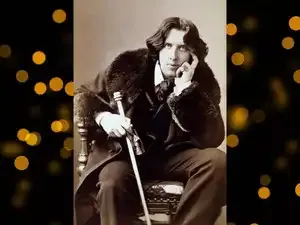
Quote of the Day: A memorable Quote of the Day often survives far beyond the era in which it was spoken because it captures something deeply human and universally recognizable. Few writers understood human behavior, vanity, identity and society better than Oscar Wilde, whose wit and sharp observations continue to resonate more than a century after his death. His quote, “Most people are other people. Their thoughts are someone else's opinions, their lives a mimicry, their passions a quotation,” remains one of the most powerful reflections on individuality and social conformity ever written.
In a world shaped by trends, public approval and imitation, Wilde’s words still feel strikingly modern. The Quote of the Day is important because it encourages people to question whether they are truly living according to their own beliefs or merely repeating ideas inherited from society. Wilde’s insight challenges readers to think independently, value authenticity and resist becoming copies of others.
The Quote of the Day today by Oscar Wilde is:
“Most people are other people. Their thoughts are someone else's opinions, their lives a mimicry, their passions a quotation.”
The line reflects Wilde’s lifelong fascination with identity, originality and the tension between individuality and social expectation. Known for his dazzling wit, flamboyant personality and literary brilliance, Wilde became one of the defining cultural figures of the late 19th century. His plays, essays, stories and novels transformed English literature, while his personal life and tragic downfall made him one of history’s most discussed literary personalities.
Oscar Wilde was born on October 16, 1854, in Dublin, Ireland. He came from a highly intellectual and literary family. His father, William Wilde, was a respected surgeon and writer with interests in archaeology and folklore, while his mother, Jane Francesca Wilde, was a nationalist poet who wrote under the name “Speranza.” Growing up in such an environment exposed Wilde to literature, storytelling and intellectual debate from an early age.
Wilde attended Portora Royal School in Enniskillen before studying at Trinity College Dublin on scholarship. He later continued his education at Magdalen College, Oxford, where he excelled as a classical scholar and developed the flamboyant public persona that would later define him. At Oxford he was strongly influenced by writers and thinkers such as John Ruskin and Walter Pater, who promoted the ideals of beauty, art and aesthetic living.
During these years Wilde became known not only for his intelligence but also for his wit, fashion and theatrical personality. He won the prestigious Newdigate Prize in 1878 for his poem Ravenna, further establishing himself as a promising literary talent.
In the early 1880s, Wilde emerged as one of the most recognizable advocates of the Aesthetic movement in England, which promoted the idea of “art for art’s sake.” He cultivated a public image built around elegance, beauty and artistic sophistication. His colorful clothing, clever remarks and dramatic personality attracted attention everywhere he went.
Wilde published Poems in 1881 and soon embarked on a lecture tour across the United States and Canada. When he arrived in New York, he famously declared that he had “nothing to declare but my genius,” a line that quickly became part of literary legend.
Although critics often mocked Wilde’s extravagant style, audiences were fascinated by him. His lectures on beauty, art and design helped establish him as both a celebrity and an intellectual figure. In 1884 he married Constance Lloyd, and the couple later had two sons, Cyril and Vyvyan.
The greatest creative period of Oscar Wilde came during the final decade of his life. In 1890 he published The Picture of Dorian Gray, his only novel. The story explored vanity, morality, corruption and the dangerous pursuit of pleasure through the character of Dorian Gray, whose portrait ages while he himself remains young.
The novel shocked many Victorian critics because of its themes and its apparent rejection of conventional morality. Wilde defended the work fiercely, insisting that art should not be judged according to moral standards. Despite controversy, the novel became one of the most celebrated works in English literature and remains widely read today, as per information sourced from Britannica.
At the same time, Wilde established himself as the master of the social comedy. His plays, filled with brilliant epigrams and biting satire, captivated London audiences.
Wilde’s greatest triumphs came through the theater. His society comedies transformed English drama with their clever dialogue and satirical treatment of Victorian hypocrisy. Plays such as Lady Windermere’s Fan, A Woman of No Importance, An Ideal Husband and especially The Importance of Being Earnest showcased his unmatched talent for epigrams and social observation.
In The Importance of Being Earnest, Wilde turned ordinary conversation into razor-sharp comedy. His characters spoke in witty paradoxes that entertained audiences while quietly exposing the contradictions of polite society.
Many of Wilde’s most famous sayings came from these plays. His humor was sophisticated yet accessible, elegant yet rebellious. He became the very symbol of wit and sophistication in late Victorian England, as per information sourced from Britannica.
Behind Wilde’s public success, however, his personal life was becoming increasingly complicated. In the early 1890s he developed a close relationship with Lord Alfred Douglas, known as “Bosie.” Their relationship eventually led to one of the most notorious scandals of the Victorian era.
Douglas’s father, the marquess of Queensberry, publicly accused Wilde of homosexuality. Encouraged to defend his reputation, Wilde sued him for criminal libel. The case collapsed when evidence of Wilde’s relationships with men emerged in court.
Soon afterward, Wilde himself was arrested and charged under Britain’s laws criminalizing homosexual acts. His trials in 1895 became a national sensation. During the proceedings, Wilde delivered eloquent and memorable speeches, including his famous defense of “the love that dare not speak its name.”
Despite his brilliance in court, Wilde was convicted of gross indecency and sentenced to two years of hard labor.
Prison shattered much of Wilde’s health, finances and public reputation. Most of his sentence was served at Reading Gaol, where he wrote the long and emotional letter later published as De Profundis. The work reflected on suffering, regret, spirituality and the emotional turmoil of his relationship with Douglas, as per information sourced from Britannica.
After his release in 1897, Wilde left England for France. Financially ruined and physically weakened, he spent his remaining years living modestly in Paris. During this period he wrote The Ballad of Reading Gaol, a powerful poem condemning the cruelty of prison conditions.
Oscar Wilde died in Paris on November 30, 1900, at the age of 46, from acute meningitis caused by an ear infection. Though disgraced during his final years, Wilde’s reputation was gradually restored in the decades that followed. Today he is regarded as one of the greatest playwrights, novelists and cultural figures in literary history.
In January 2017, Wilde was among thousands of men posthumously pardoned under Britain’s Turing Law, which overturned historical convictions for homosexual acts that are no longer considered crimes.
The meaning behind Wilde’s Quote of the Day lies in its criticism of conformity and imitation. When he says, “Most people are other people,” he suggests that many individuals fail to develop genuine identities of their own. Instead, they absorb society’s opinions, imitate social expectations and borrow emotions or ambitions from those around them.
The quote reflects Wilde’s belief in individuality, creativity and self-expression. He believed people often fear standing apart from society and therefore surrender their originality in exchange for acceptance. Their thoughts become “someone else’s opinions,” their lives “a mimicry,” and their passions “a quotation.”
Even today, the quote feels remarkably relevant in an age shaped by social media trends, public approval and online imitation. Wilde’s observation reminds readers that authenticity requires courage. To truly live as oneself means resisting pressure to conform and thinking independently.
The quote also reflects Wilde’s larger artistic philosophy. Throughout his career he challenged rigid social expectations and defended the freedom of imagination, beauty and personal identity. His words continue to resonate because they confront a timeless human struggle: the desire to belong versus the need to remain true to oneself.
Despite the scandals and hardships that marked his later years, Wilde’s literary influence has only grown stronger with time. His works continue to be staged around the world, studied in universities and quoted in everyday conversation. His wit, intelligence and fearless individuality made him one of literature’s most unforgettable figures.
Beyond literature, Wilde became a symbol of artistic freedom and personal authenticity. His life story reflects both the brilliance and cruelty of Victorian society, as well as the cost of challenging social norms.
Today, Wilde’s observations about hypocrisy, identity and society remain strikingly relevant. His ability to combine humor with profound insight is one reason his quotes continue to circulate more than a century after his death.
Beyond the Quote of the Day, Oscar Wilde produced countless memorable lines that continue to inspire readers around the world:
“Be yourself; everyone else is already taken.”
“To live is the rarest thing in the world. Most people exist, that is all.”
“Always forgive your enemies; nothing annoys them so much.”
“I am so clever that sometimes I don't understand a single word of what I am saying.”
“We are all in the gutter, but some of us are looking at the stars.”
“If one cannot enjoy reading a book over and over again, there is no use in reading it at all.”
“It is what you read when you don't have to that determines what you will be when you can't help it.”
“The books that the world calls immoral are books that show the world its own shame.”
“The truth is rarely pure and never simple.”
“You can never be overdressed or overeducated.”
These quotes reveal Wilde’s extraordinary gift for combining humor, wisdom and social criticism into lines that remain unforgettable generations later.
As a Quote of the Day, Wilde’s observation about people becoming reflections of others continues to resonate because it speaks directly to modern life. It challenges readers to think independently, embrace authenticity and resist losing themselves in imitation. More than a century after his death, Oscar Wilde’s words still encourage people to live boldly, think freely and remain true to who they really are.
In a world shaped by trends, public approval and imitation, Wilde’s words still feel strikingly modern. The Quote of the Day is important because it encourages people to question whether they are truly living according to their own beliefs or merely repeating ideas inherited from society. Wilde’s insight challenges readers to think independently, value authenticity and resist becoming copies of others.
Quote of the Day Today May 7
The Quote of the Day today by Oscar Wilde is:
“Most people are other people. Their thoughts are someone else's opinions, their lives a mimicry, their passions a quotation.”
The line reflects Wilde’s lifelong fascination with identity, originality and the tension between individuality and social expectation. Known for his dazzling wit, flamboyant personality and literary brilliance, Wilde became one of the defining cultural figures of the late 19th century. His plays, essays, stories and novels transformed English literature, while his personal life and tragic downfall made him one of history’s most discussed literary personalities.
Early Life and Education
Oscar Wilde was born on October 16, 1854, in Dublin, Ireland. He came from a highly intellectual and literary family. His father, William Wilde, was a respected surgeon and writer with interests in archaeology and folklore, while his mother, Jane Francesca Wilde, was a nationalist poet who wrote under the name “Speranza.” Growing up in such an environment exposed Wilde to literature, storytelling and intellectual debate from an early age.
Wilde attended Portora Royal School in Enniskillen before studying at Trinity College Dublin on scholarship. He later continued his education at Magdalen College, Oxford, where he excelled as a classical scholar and developed the flamboyant public persona that would later define him. At Oxford he was strongly influenced by writers and thinkers such as John Ruskin and Walter Pater, who promoted the ideals of beauty, art and aesthetic living.
During these years Wilde became known not only for his intelligence but also for his wit, fashion and theatrical personality. He won the prestigious Newdigate Prize in 1878 for his poem Ravenna, further establishing himself as a promising literary talent.
Rise of the Aesthetic Movement
In the early 1880s, Wilde emerged as one of the most recognizable advocates of the Aesthetic movement in England, which promoted the idea of “art for art’s sake.” He cultivated a public image built around elegance, beauty and artistic sophistication. His colorful clothing, clever remarks and dramatic personality attracted attention everywhere he went.
Wilde published Poems in 1881 and soon embarked on a lecture tour across the United States and Canada. When he arrived in New York, he famously declared that he had “nothing to declare but my genius,” a line that quickly became part of literary legend.
Although critics often mocked Wilde’s extravagant style, audiences were fascinated by him. His lectures on beauty, art and design helped establish him as both a celebrity and an intellectual figure. In 1884 he married Constance Lloyd, and the couple later had two sons, Cyril and Vyvyan.
Literary Success and The Picture of Dorian Gray
The greatest creative period of Oscar Wilde came during the final decade of his life. In 1890 he published The Picture of Dorian Gray, his only novel. The story explored vanity, morality, corruption and the dangerous pursuit of pleasure through the character of Dorian Gray, whose portrait ages while he himself remains young.
The novel shocked many Victorian critics because of its themes and its apparent rejection of conventional morality. Wilde defended the work fiercely, insisting that art should not be judged according to moral standards. Despite controversy, the novel became one of the most celebrated works in English literature and remains widely read today, as per information sourced from Britannica.
At the same time, Wilde established himself as the master of the social comedy. His plays, filled with brilliant epigrams and biting satire, captivated London audiences.
Plays, Wit and Literary Fame
Wilde’s greatest triumphs came through the theater. His society comedies transformed English drama with their clever dialogue and satirical treatment of Victorian hypocrisy. Plays such as Lady Windermere’s Fan, A Woman of No Importance, An Ideal Husband and especially The Importance of Being Earnest showcased his unmatched talent for epigrams and social observation.
In The Importance of Being Earnest, Wilde turned ordinary conversation into razor-sharp comedy. His characters spoke in witty paradoxes that entertained audiences while quietly exposing the contradictions of polite society.
Many of Wilde’s most famous sayings came from these plays. His humor was sophisticated yet accessible, elegant yet rebellious. He became the very symbol of wit and sophistication in late Victorian England, as per information sourced from Britannica.
Relationship with Lord Alfred Douglas and the Trials
Behind Wilde’s public success, however, his personal life was becoming increasingly complicated. In the early 1890s he developed a close relationship with Lord Alfred Douglas, known as “Bosie.” Their relationship eventually led to one of the most notorious scandals of the Victorian era.
Douglas’s father, the marquess of Queensberry, publicly accused Wilde of homosexuality. Encouraged to defend his reputation, Wilde sued him for criminal libel. The case collapsed when evidence of Wilde’s relationships with men emerged in court.
Soon afterward, Wilde himself was arrested and charged under Britain’s laws criminalizing homosexual acts. His trials in 1895 became a national sensation. During the proceedings, Wilde delivered eloquent and memorable speeches, including his famous defense of “the love that dare not speak its name.”
Despite his brilliance in court, Wilde was convicted of gross indecency and sentenced to two years of hard labor.
Imprisonment and Final Years
Prison shattered much of Wilde’s health, finances and public reputation. Most of his sentence was served at Reading Gaol, where he wrote the long and emotional letter later published as De Profundis. The work reflected on suffering, regret, spirituality and the emotional turmoil of his relationship with Douglas, as per information sourced from Britannica.
After his release in 1897, Wilde left England for France. Financially ruined and physically weakened, he spent his remaining years living modestly in Paris. During this period he wrote The Ballad of Reading Gaol, a powerful poem condemning the cruelty of prison conditions.
Oscar Wilde died in Paris on November 30, 1900, at the age of 46, from acute meningitis caused by an ear infection. Though disgraced during his final years, Wilde’s reputation was gradually restored in the decades that followed. Today he is regarded as one of the greatest playwrights, novelists and cultural figures in literary history.
In January 2017, Wilde was among thousands of men posthumously pardoned under Britain’s Turing Law, which overturned historical convictions for homosexual acts that are no longer considered crimes.
Quote of the Day Meaning
The meaning behind Wilde’s Quote of the Day lies in its criticism of conformity and imitation. When he says, “Most people are other people,” he suggests that many individuals fail to develop genuine identities of their own. Instead, they absorb society’s opinions, imitate social expectations and borrow emotions or ambitions from those around them.
The quote reflects Wilde’s belief in individuality, creativity and self-expression. He believed people often fear standing apart from society and therefore surrender their originality in exchange for acceptance. Their thoughts become “someone else’s opinions,” their lives “a mimicry,” and their passions “a quotation.”
Even today, the quote feels remarkably relevant in an age shaped by social media trends, public approval and online imitation. Wilde’s observation reminds readers that authenticity requires courage. To truly live as oneself means resisting pressure to conform and thinking independently.
The quote also reflects Wilde’s larger artistic philosophy. Throughout his career he challenged rigid social expectations and defended the freedom of imagination, beauty and personal identity. His words continue to resonate because they confront a timeless human struggle: the desire to belong versus the need to remain true to oneself.
Oscar Wilde’s Enduring Legacy
Despite the scandals and hardships that marked his later years, Wilde’s literary influence has only grown stronger with time. His works continue to be staged around the world, studied in universities and quoted in everyday conversation. His wit, intelligence and fearless individuality made him one of literature’s most unforgettable figures.
Beyond literature, Wilde became a symbol of artistic freedom and personal authenticity. His life story reflects both the brilliance and cruelty of Victorian society, as well as the cost of challenging social norms.
Today, Wilde’s observations about hypocrisy, identity and society remain strikingly relevant. His ability to combine humor with profound insight is one reason his quotes continue to circulate more than a century after his death.
Other Iconic Quotes by Oscar Wilde
Beyond the Quote of the Day, Oscar Wilde produced countless memorable lines that continue to inspire readers around the world:
“Be yourself; everyone else is already taken.”
“To live is the rarest thing in the world. Most people exist, that is all.”
“Always forgive your enemies; nothing annoys them so much.”
“I am so clever that sometimes I don't understand a single word of what I am saying.”
“We are all in the gutter, but some of us are looking at the stars.”
“If one cannot enjoy reading a book over and over again, there is no use in reading it at all.”
“It is what you read when you don't have to that determines what you will be when you can't help it.”
“The books that the world calls immoral are books that show the world its own shame.”
“The truth is rarely pure and never simple.”
“You can never be overdressed or overeducated.”
These quotes reveal Wilde’s extraordinary gift for combining humor, wisdom and social criticism into lines that remain unforgettable generations later.
As a Quote of the Day, Wilde’s observation about people becoming reflections of others continues to resonate because it speaks directly to modern life. It challenges readers to think independently, embrace authenticity and resist losing themselves in imitation. More than a century after his death, Oscar Wilde’s words still encourage people to live boldly, think freely and remain true to who they really are.