A foolish person often believes they already know everything, which prevents growth and learning. In contrast, a truly wise person understands the limits of human knowledge and remains humble. Wisdom comes from self-awareness, curiosity, and the ability to question one’s own understanding. As we grow older, we realise that intelligence is not about pretending to have all the answers, but about recognizing how much there is still to learn. Humility and openness to new ideas are signs of genuine wisdom, while overconfidence often reveals ignorance and lack of self-reflection.
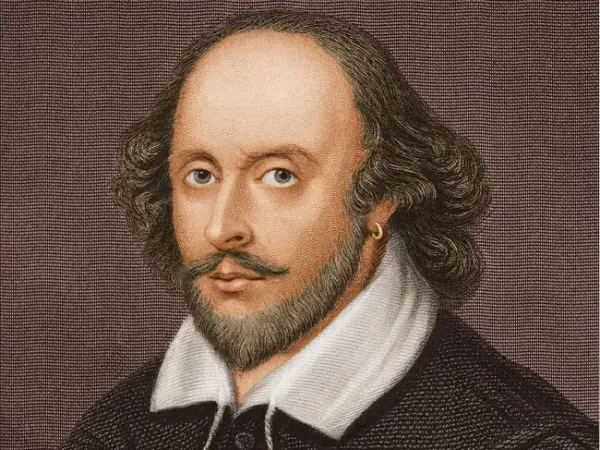
Centuries ago, the bard William Shakespeare wrote how foolish people often overestimate themselves.
William Shakespeare On What Makes A Man Wise
In the play As You Like It, he wrote: "The fool doth think he is wise, but the wise man knows himself to be a fool.”
Deeper Meaning Of The Quote
This quote by William Shakespeare carries a profound lesson about self-awareness and humility. Its deeper meaning lies in the idea that ignorance often creates false confidence, while true wisdom brings awareness of one’s limitations. Foolish people tend to believe they possess complete understanding because they rarely question themselves. Their certainty blinds them to growth, learning, and truth. On the other hand, genuinely wise individuals understand how vast knowledge truly is. The more they learn, the more they recognize how much remains unknown. This realization makes them humble, thoughtful, and open-minded.
The quote also reflects human nature and ego. Pride can trap a person in arrogance, while wisdom requires honesty about imperfections and mistakes. Shakespeare suggests that intelligence is not measured by how much someone claims to know, but by their willingness to keep learning. In this way, wisdom begins with humility and self-reflection.
Relevance Of The Quote
This quote by William Shakespeare remains highly relevant in today’s world, especially in an age shaped by social media, misinformation, and constant self-promotion. Many people speak with great confidence even when they lack knowledge or understanding. The quote reminds us that overconfidence can lead to poor decisions, arrogance, and an unwillingness to learn. At the same time, truly intelligent people often remain humble because they understand the complexity of life and the limits of their own knowledge.
Its relevance can be seen in workplaces, politics, education, and everyday relationships. Leaders who believe they know everything may ignore advice and make harmful choices, while wise individuals listen, question themselves, and continue learning. The quote encourages humility, critical thinking, and self-awareness—qualities that are essential in a fast-changing world. It teaches that genuine wisdom is not about appearing superior, but about remaining open-minded and eager to grow.
Centuries ago, the bard William Shakespeare wrote how foolish people often overestimate themselves.
William Shakespeare On What Makes A Man Wise
In the play As You Like It, he wrote: "The fool doth think he is wise, but the wise man knows himself to be a fool.”Deeper Meaning Of The Quote
This quote by William Shakespeare carries a profound lesson about self-awareness and humility. Its deeper meaning lies in the idea that ignorance often creates false confidence, while true wisdom brings awareness of one’s limitations. Foolish people tend to believe they possess complete understanding because they rarely question themselves. Their certainty blinds them to growth, learning, and truth. On the other hand, genuinely wise individuals understand how vast knowledge truly is. The more they learn, the more they recognize how much remains unknown. This realization makes them humble, thoughtful, and open-minded.The quote also reflects human nature and ego. Pride can trap a person in arrogance, while wisdom requires honesty about imperfections and mistakes. Shakespeare suggests that intelligence is not measured by how much someone claims to know, but by their willingness to keep learning. In this way, wisdom begins with humility and self-reflection.
Relevance Of The Quote
This quote by William Shakespeare remains highly relevant in today’s world, especially in an age shaped by social media, misinformation, and constant self-promotion. Many people speak with great confidence even when they lack knowledge or understanding. The quote reminds us that overconfidence can lead to poor decisions, arrogance, and an unwillingness to learn. At the same time, truly intelligent people often remain humble because they understand the complexity of life and the limits of their own knowledge.Its relevance can be seen in workplaces, politics, education, and everyday relationships. Leaders who believe they know everything may ignore advice and make harmful choices, while wise individuals listen, question themselves, and continue learning. The quote encourages humility, critical thinking, and self-awareness—qualities that are essential in a fast-changing world. It teaches that genuine wisdom is not about appearing superior, but about remaining open-minded and eager to grow.