
|
A steaming glass teapot and cup of tea. Photo by Pexels |
Tea, particularly the green and black varieties, is rich in polyphenols and catechins, compounds known for their antioxidant and anti-inflammatory properties.
These substances help shield liver cells from oxidative stress and support the healthy functioning of liver enzymes.
A longitudinal study published in BMC Nutrition found that individuals who consumed moderate amounts of tea daily showed improved liver enzyme markers, which are key indicators of liver function, according to The Times of India.
The researchers cautioned that drinking excessively strong or large quantities of tea may reverse these benefits. High concentrations of catechins and caffeine can overburden the liver’s detoxification pathways.
The study tracked more than 6,000 adults and analysed how tea consumption patterns cor with biochemical liver function tests. Those who drank fewer than four cups per day generally had healthier liver markers than both heavy tea drinkers and non-tea drinkers.
Timing also plays a crucial role. Drinking tea during or after meals slows the absorption of caffeine and other active compounds, reducing metabolic stress on the liver. In contrast, consuming strong tea on an empty stomach may accelerate absorption, potentially causing temporary metabolic strain.
According to gastroenterologist Dr Dipak Bhangale, tea is safe when consumed mindfully. The ideal time to drink it is 30 to 45 minutes after a meal, once digestion has begun. This approach helps minimise stomach irritation and prevents interference with nutrient absorption.
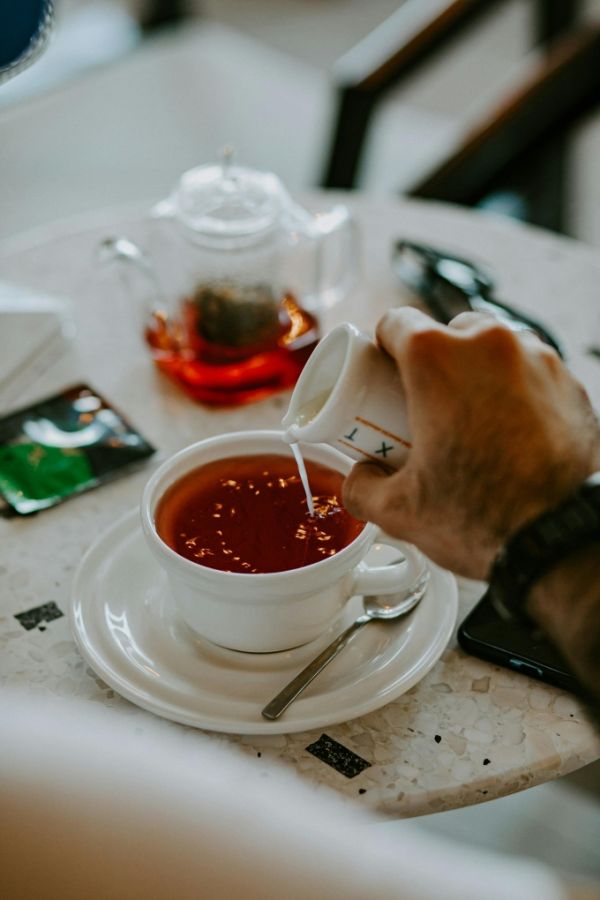
Two to three moderately brewed cups per day, consumed after meals, can provide benefits without overloading the liver. Adding a small amount of milk may reduce acidity, but limiting sugar or artificial sweeteners is advisable to avoid negative metabolic effects.
 |
|
A hand pouring milk into tea. Photo by Pexels |
Herbal and “detox” teas should be approached with caution, as certain ingredients may interact with medications or affect liver enzymes if consumed regularly.
Similarly, over-brewing tea or making it too strong increases the concentration of active compounds, raising the risk of liver strain.
The advantages of tea diminish when intake becomes excessive. Regularly consuming very strong tea or large quantities forces the liver to work harder to metabolise caffeine and catechins. Over time, this may increase metabolic burden.
In high doses, polyphenols, despite being antioxidants, can alter the activity of liver enzymes involved in detoxification. Some studies have linked long-term consumption of very strong tea with mildly elevated liver enzyme levels.
Ultimately, both clinical insight and scientific research suggest the same conclusion: tea can support liver health, but its benefits depend not just on what you drink, but how you drink it.
-
Punjab PSSSB Announces Line Superintendent Recruitment 2026 - Apply Online Now

-
RRB Section Controller Result 2026 Released: Check Your Scores Now

-
UPSSSC Announces Recruitment for Assistant Statistical Officer in 2026

-
UPSC CDS-I Result 2026 Released: Check Your Roll Number Now

-
Canada's age-based immigration points must be scrapped as government proposes changes