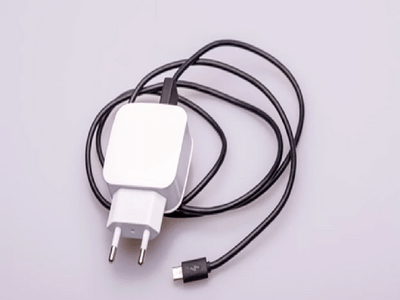
For millions of smartphone users, damaged charging cables have become a frustrating and expensive problem. Many people notice that their charging cable suddenly stops working, develops loose connections, charges slowly, or starts breaking near the connector within just a few months of use.
While most users blame poor cable quality, experts say the real issue is often everyday usage habits. Simple mistakes like pulling the cable incorrectly, bending it too tightly, or using the phone aggressively while charging can significantly reduce a charging cable’s lifespan.
In many cases, even high-quality cables fail early because they are handled carelessly on a daily basis.
Here’s a detailed look at why charging cables get damaged so quickly and what you should avoid if you want them to last longer.
Why Charging Cables Break So EasilyCharging cables may look durable from the outside, but internally they contain delicate wires designed to transfer power and data efficiently.
Frequent stress, twisting, overheating, or rough handling can weaken these internal components over time. Once the internal wires start breaking, users may notice issues such as:
- Slow charging
- Charging interruptions
- Loose connectivity
- Cable overheating
- Complete charging failure
According to tech experts, most cable damage happens gradually due to repeated misuse rather than sudden defects.
Mistake 1: Pulling the Cable Instead of the PlugOne of the biggest reasons charging cables fail is improper unplugging.
Many users pull the wire directly while disconnecting the charger from the phone or adapter. This creates stress near the connector head, where cables are already most vulnerable.
Over time, the internal wiring near the connector weakens and eventually snaps.
What You Should Do InsteadAlways hold the plug or connector head while unplugging the cable rather than pulling the wire itself.
This small habit can significantly increase cable durability.
Mistake 2: Wrapping the Cable Too TightlyAnother common mistake is tightly winding or twisting charging cables for storage.
Although it may seem neat and organized, excessive bending places pressure on the delicate internal copper wires. Repeated tight folding can cause microscopic wire damage that eventually affects charging performance.
Safer Storage TipKeep cables loosely coiled instead of tightly wrapped. Maintaining flexibility helps protect the internal structure.
Mistake 3: Using the Phone While ChargingMany people continue gaming, scrolling social media, or watching videos while their phone is plugged in.
Constant movement while charging creates tension on the cable and charging port, especially near the connector joint.
This repeated strain can loosen internal connections and increase wear much faster.
Best PracticeAvoid excessive phone movement while charging. Keeping the device stable during charging reduces pressure on both the cable and charging port.
Mistake 4: Exposure to Heat and MoistureCharging cables are also highly vulnerable to environmental damage.
Leaving cables in:
- Hot cars
- Direct sunlight
- Humid rooms
- Damp bags or surfaces
can weaken the outer protective layer and damage the internal wiring.
Heat exposure may also affect charging speed and overall cable performance.
How to Protect Your CableStore charging accessories in cool, dry places away from moisture and extreme temperatures.
Mistake 5: Buying Cheap Low-Quality CablesMany users try to save money by purchasing very cheap charging cables from unverified brands or roadside stores.
However, low-cost cables often use inferior materials and weaker insulation, making them more likely to fail quickly.
Poor-quality cables can also create additional risks such as:
- Battery damage
- Overheating
- Slow charging
- Device safety issues
Certified or branded cables may cost more initially, but they usually last longer and provide safer charging performance.
Mistake 6: Throwing Cables Carelessly Into BagsImproper storage is another major reason charging cables wear out prematurely.
When cables are tossed loosely into bags without protection, they often get bent, crushed, or tangled with other items.
This repeated pressure gradually damages the wire structure inside the cable.
Better Storage OptionUsing a small pouch, cable organizer, or protective case can help prevent unnecessary stress and bending.
Even Expensive Cables Can Fail if Used IncorrectlyMany people assume that buying an expensive charging cable automatically solves the problem forever. But experts say even premium cables can wear out quickly if handled poorly.
In fact, everyday habits often matter more than price.
Careful handling, proper storage, and avoiding physical stress can dramatically improve the lifespan of almost any charging cable.
Simple Habits That Can Double Cable LifeTech professionals recommend a few simple practices to make charging cables last significantly longer:
- Unplug using the connector head
- Avoid sharp bends and tight wrapping
- Keep the cable away from heat and moisture
- Avoid gaming heavily while charging
- Store cables properly in protective cases
- Use certified chargers and accessories
Following these habits can sometimes double the life of a charging cable and reduce unnecessary replacement costs.
Why Taking Care of Charging Accessories MattersDamaged charging cables are not just an inconvenience. Faulty cables can also impact smartphone performance, charging efficiency, battery health, and device safety.
As smartphones become more expensive and fast-charging technology grows more advanced, using reliable charging accessories is becoming increasingly important.
Experts say proper cable care is one of the simplest ways to protect both your charger and your smartphone over the long term.
-
Top 5 Mistakes First‑Time Gold Loan Borrowers Make

-
Why More People Are Rethinking Where (And How) They Want To Live Later In Life

-
Understanding Gold Loan Per Gram: A Beginner's Guide to Quick Cash

-
Why We're Finally Taking Sleep Seriously (And Not Just Talking About It)

-
US forces strike Iranian-flagged unladen oil tanker