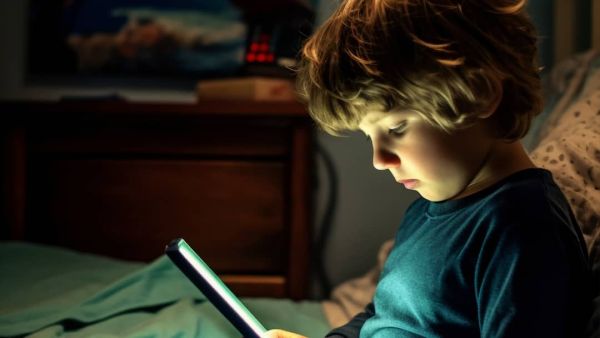
Nowadays, children are spending more time on social media than ever before. From making reels and posting pictures to endlessly scrolling through videos, social media has become a major part of their daily lives. For many young people, entertainment now comes through screens instead of games or sports. While social media keeps them connected and informed, it has also raised serious concerns about their emotional and mental well-being.
On May 7, Children’s Mental Health Awareness Day shines a light on the importance of supporting the emotional health of children. The day also encourages parents, teachers, and communities to pay closer attention to how digital habits are shaping young minds.
The Growing Influence Of Social Media On Children
Social media is now deeply woven into the everyday routine of children and teens. Many use these platforms to communicate with friends, watching short videos, express themselves creatively, or stay updated with trends and entertainment. Online communities can sometimes help children feel accepted, especially those who struggle with shyness, loneliness, or identity-related challenges in their offline lives.
When Screen Time Starts Affecting Mental Health
While moderate use may not always be harmful, excessive social media use can negatively affect mental health. Experts and researchers have increasingly raised concerns about how constant scrolling, online pressure, and digital comparison are impacting children emotionally.
Studies suggest that spending too much time on social media may affect emotional regulation, impulse control, social behaviour, and learning patterns. Constant exposure to online content can overwhelm young minds, especially when children are still developing emotionally.
Many children also begin comparing their lives with what they see online. Perfect pictures, filtered lifestyles, and viral trends can create feelings of insecurity, low confidence, or fear of missing out. Over time, these emotions may contribute to stress and sadness.
Excessive Screen Time And Reduced Physical Activity
Children who spend long hours on screens often spend less time outdoors, playing sports, or engaging in hobbies. Activities like exercise and outdoor play help improve mood naturally and reduce stress levels, something excessive screen time often replaces.
Sleep Problems And Digital Overload
Late-night scrolling has quietly become a common habit among children and teenagers. Many start using social media for a few minutes before bedtime but continue scrolling for hours. This can affect sleep patterns and overall emotional health.
The blue light from screens can interfere with the body’s natural sleep cycle, making it harder to fall asleep. Lack of proper sleep may lead to irritability, stress, low concentration, and emotional exhaustion. Over time, sleep deprivation can also worsen symptoms linked to anxiety and depression.
The Need For Balance And Awareness
Children’s Mental Health Awareness Day is a reminder that balance is essential in today’s digital world. Social media itself is not the enemy, but the way it is used can shape a child’s emotional well-being. Healthy screen habits, open conversations at home, and encouraging offline activities can help children maintain a better balance between the online and real world.
[Disclaimer: The information provided in the article is intended for general informational purposes only. It is not a substitute for professional medical advice, diagnosis, or treatment. Always seek the advice of your physician or other qualified healthcare provider with any questions you may have regarding a medical condition.]
-
Ruskin Bond Celebrates 92nd Birthday With Book-Inspired Cakes, Frooti, And Patties

-
Punjab Kings chose bowling in Dharamshala, Jitesh Sharma captaining RCB

-
Malaysia Masters 2026: Indian shuttlers shine, Chaliha shines by defeating Chinese Taipei player, Arjun defeats Popov brothers

-
RR VS LSG: Mitchell Marsh scored a century for the second consecutive time, but still created a big history in IPL 2026

-
Who is Sibi George? Indian diplomat goes viral after response to Norwegian journalist