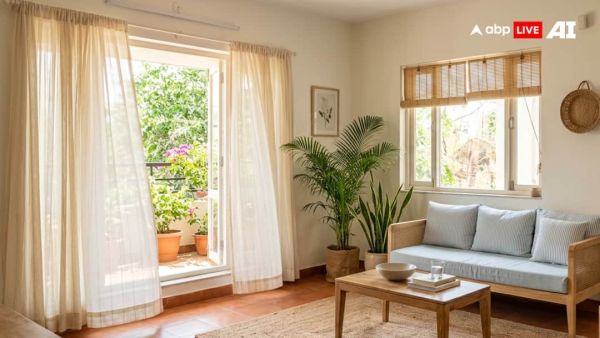
Summer can quickly turn a comfortable home into a stuffy and exhausting space. As temperatures rise, walls trap heat, rooms feel warmer through the day, and even simple tasks indoors can become uncomfortable. While air conditioners offer relief, there are several natural and practical ways to keep your house cool without depending entirely on artificial cooling. With a few smart changes, you can create a fresher, breezier, and more relaxing home during the hottest months of the year.
Allow Proper Ventilation
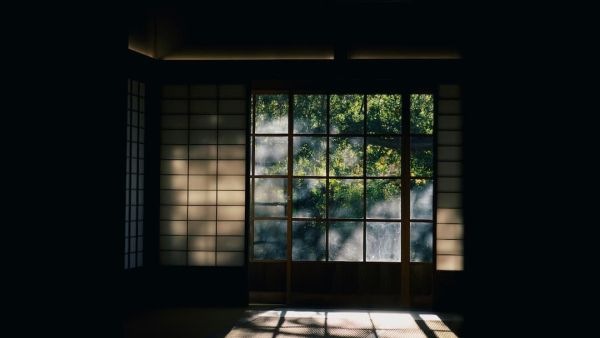
Fresh air can make a noticeable difference during summer. Open your windows strategically during the early morning and late evening hours when the outdoor air feels cooler and lighter. Cross ventilation helps push trapped heat out of the house while allowing cool air to circulate naturally through the rooms. Keeping windows open at night can also help maintain a pleasant indoor temperature until morning.
Keep Sunlight Out During Peak Hours

Direct sunlight entering through windows can heat up interiors much faster than expected. Closing curtains, blinds, or shades during the hottest part of the day helps block harsh sunrays and keeps rooms noticeably cooler. Light-coloured or breathable window coverings work especially well because they reflect heat instead of absorbing it. This simple habit can reduce indoor warmth without any extra effort.
Choose Breathable Fabrics Indoors

The fabrics used inside the home can affect how warm a room feels. Heavy materials like satin or polyester often trap heat and feel sticky during humid weather. Switching to lighter fabrics such as cotton and linen for bedsheets, cushion covers, and upholstery can instantly create a cooler and more comfortable atmosphere. Airy fabrics also improve ventilation and make spaces feel brighter.
Use Light And Cool Colours

Dark shades tend to absorb heat, while lighter colours reflect it and help maintain a cooler environment indoors. Soft pastel shades, white tones, beige, or light blues can give your home a refreshing summer-friendly look. Repainting walls in lighter shades can also make rooms feel more open, airy, and calm during the warmer months.
Add More Indoor Plants
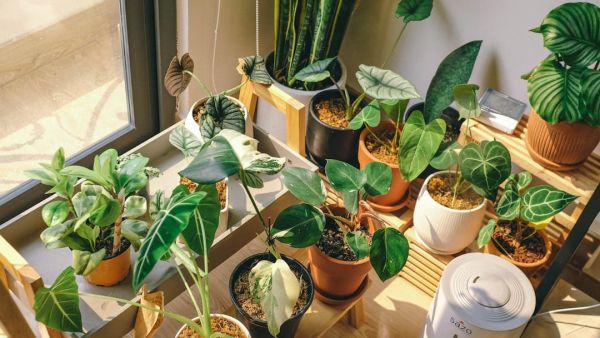
Plants are one of the easiest ways to create a naturally cool and refreshing indoor environment. Green plants help improve air quality while adding moisture and freshness to the surroundings. Placing plants near balconies, windows, or sunny corners can also help block some amount of heat and sunlight from entering the house.
Switch To Energy-Efficient Lighting
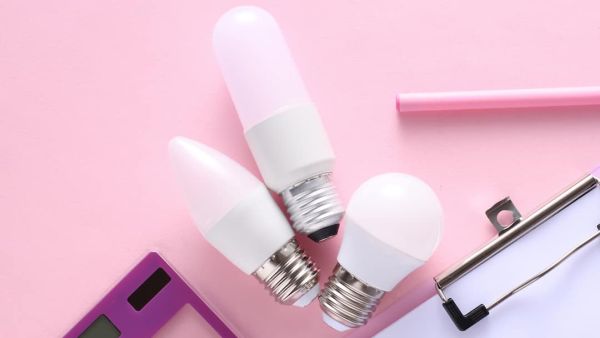
Traditional bulbs often release unnecessary heat, making rooms warmer over time. Replacing them with energy-efficient lighting options can help reduce excess heat indoors. It is also helpful to switch off lights and electronic devices when they are not in use, as many appliances continue to emit heat even while idle.
Use Appliances Wisely
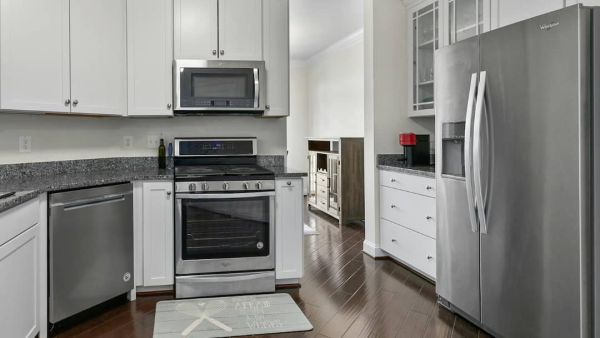
Large household appliances like ovens, dishwashers, and dryers generate significant heat while running. Using them during cooler evening hours can help prevent indoor temperatures from rising during the daytime. Drying clothes naturally instead of using heated dryers can also keep humidity and warmth under control inside the house.
Create Shade Around Windows
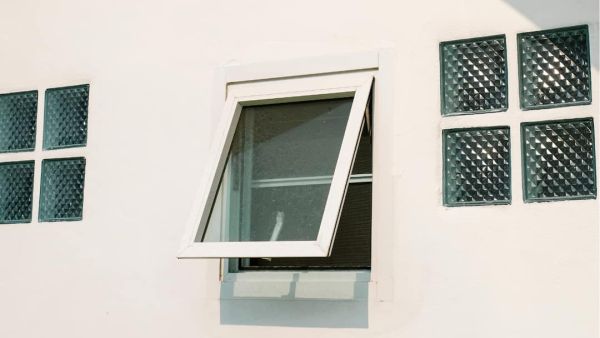
Windows facing direct sunlight can quickly heat up entire rooms. Adding outdoor shades, balcony plants, awnings, or creepers near windows helps reduce the amount of heat entering indoors. Natural shading not only cools the home but also creates a more pleasant and relaxing atmosphere around the house.
-
Mother’s diet is the strength of the child, definitely include these nutritious things in your diet!

-
The Only Mango Cocktail Recipes You Need This Summer

-
Ram Charan’s ‘Peddi’ transformation: 12 hour fasting, cheat meal and strict diet revealed

-
Tumor mapping can be a game changer! A thorough study of the structure will make treatment selection more accurate

-
Anthropic turns to Elon Musk-owned SpaceX for AI compute as Claude demand surges