Postpartum Hair Loss: Why It Happens and When It Stops
Pregatips | May 6, 2026 7:39 PM CST
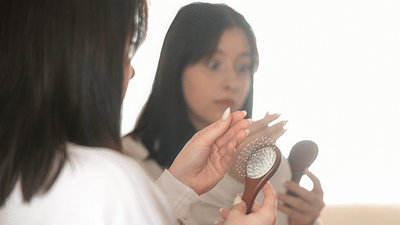
You are not going bald. You are not sick. And you are absolutely not alone.
What Is Postpartum Hair Loss?
Postpartum hair loss is one of the most common and least talked about changes that happen to a woman's body after childbirth.
It catches most new mothers off guard because it arrives just when they are already stretched thin. Research shows that over 90% of postpartum women experience some degree of hair shedding after childbirth, yet most are never warned about it. Understanding why it happens and when it will stop can make a world of difference in how you feel about it.
More and more hair stays in the growing phase, and very little enters the resting or shedding phase. The result is that a full, enviable pregnancy mane that many women love by their second trimester.
What Causes Hair Loss After Pregnancy?When you deliver your baby, your hormone levels change almost overnight. Progesterone drops sharply. Oestrogen follows. This sudden shift signals to the hair follicles that it is time to move out of the growing phase and into the resting phase, and it happens all at once.
This condition is called postpartum telogen effluvium: a temporary but dramatic shedding of hair that occurs when many follicles enter the resting phase simultaneously.
The hair does not fall out immediately; it takes about two to three months for the resting follicles to release the hair shaft. This is why postpartum hair loss tends to peak around months three to five after delivery, not right after birth.
Impact of Prolactin (Breastfeeding Hormone)
Another hormone worth knowing about that rarely gets mentioned is prolactin, the hormone responsible for breast milk production. If you are breastfeeding, prolactin remains elevated for months, sometimes over a year. This sustained hormonal shift can prolong the period during which your hair stays in the resting phase, which is why breastfeeding mothers sometimes notice their shedding continues a little longer than expected.
Postpartum Hair Loss Timeline (Month-by-Month)Every woman's experience is different, but there is a general pattern that most new mothers follow. A research study from Tokyo Medical and Dental University found that the average peak of postpartum hair loss occurs around 5.1 months after delivery, with shedding ending at an average of 8.1 months postpartum.
Months 1 to 2 after birth:Hair feels and looks mostly the same. You may notice a very slight increase in shedding, but nothing alarming.
Months 3 to 4: This is typically when shedding becomes noticeable. Clumps on the pillow, more hair on the brush, hair collecting around the shower drain. The hairline, particularly around the temples and forehead, is often the first place where thinning becomes visible.
Months 5 to 6: For most women, shedding reaches its peak and then begins to slow. You may notice short, wispy hairs beginning to emerge along the hairline. This is new growth, and it is a good sign.
Months 7 to 12: Gradual return to your normal hair density. The short regrowth strands may stick up or look frizzy for a while as they catch up to the length of the rest of your hair. This is completely normal.
According to the Cleveland Clinic, for most women, hair returns to its pre-pregnancy fullness by the time the baby turns one.
Why Some Women Experience It More Than Others
Postpartum hair loss does not affect every woman in the same way, and the variation can feel confusing or even unfair. Several factors influence how much hair you lose and for how long:
Nutritional status: Your body prioritises vital functions during postpartum recovery. If you are low in iron, zinc, vitamin B12, or protein, all of which are commonly depleted in new mothers, your hair follicles may struggle to return to the growth phase efficiently.
Iron deficiency is particularly common after childbirth, especially if you experienced significant blood loss during delivery. Studies estimate that up to 27% of women develop iron deficiency anaemia postpartum, and it is frequently underdiagnosed.
Sleep and stress: Both chronic sleep deprivation and sustained stress can push more hair follicles into the resting phase. The body perceives prolonged stress as a threat and temporarily diverts its resources away from non-essential functions such as hair growth.
If you are struggling with the emotional weight of this period, our article on postpartum identity and self-care may help.
Thyroid function: The postpartum period can trigger thyroid imbalances in some women, a condition called postpartum thyroiditis, which affects up to 10% of new mothers.
One of its hallmark symptoms is hair thinning that is more severe than typical. If your hair loss seems excessive, persists for more than a year, or is accompanied by fatigue, unexplained weight changes, or sensitivity to cold or heat, it is worth asking your doctor to check your thyroid levels.
Breastfeeding duration: Studies confirm that women who breastfeed for 12 months or more have higher rates of postpartum hair loss compared to those who breastfeed for shorter periods, due to sustained prolactin levels. This does not mean breastfeeding is harmful; it simply means the timeline may extend.
Genetics: Some women are simply more sensitive to hormonal fluctuations, meaning they may experience more pronounced shedding than others, regardless of how well they eat or rest.`
One Final Thing Worth RememberingPostpartum hair loss is your body completing a process it began the moment you conceived. It is not a sign that something went wrong.
It is a biological reset, your scalp catching up on everything it held in reserve while it was busy doing something extraordinary. The hair comes back. It always does.
And in the meantime, give yourself the same grace you would give a friend going through exactly this, because growing a life is not a small thing, and neither is recovering from it.
Whether you’re pregnant, a new mom, or navigating postpartum, you don’t have to do it alone. Join our support group to connect, share, and support one another.
FAQs on Postpartum Hair Loss: Why It Happens and When It StopsWhen does postpartum hair loss start?
Most women begin noticing increased shedding around two to four months after delivery, with the peak occurring around month five. This delay happens because hair that enters the resting phase takes two to three months before it actually falls out.
Does breastfeeding make postpartum hair loss worse?
Breastfeeding does not directly cause hair loss, but sustained high prolactin levels can keep more follicles in the resting phase for longer, potentially extending the overall shedding period compared to mothers who do not breastfeed.
Will my hair grow back exactly as it was before?
In most cases, yes, by around 12 months postpartum, hair returns to its original fullness. Some women notice a minor, temporary shift in texture or wave pattern. This is a well-documented phenomenon and is not permanent in the majority of cases.
What Is Postpartum Hair Loss?
Postpartum hair loss is one of the most common and least talked about changes that happen to a woman's body after childbirth.
It catches most new mothers off guard because it arrives just when they are already stretched thin. Research shows that over 90% of postpartum women experience some degree of hair shedding after childbirth, yet most are never warned about it. Understanding why it happens and when it will stop can make a world of difference in how you feel about it.
More and more hair stays in the growing phase, and very little enters the resting or shedding phase. The result is that a full, enviable pregnancy mane that many women love by their second trimester.
What Causes Hair Loss After Pregnancy?When you deliver your baby, your hormone levels change almost overnight. Progesterone drops sharply. Oestrogen follows. This sudden shift signals to the hair follicles that it is time to move out of the growing phase and into the resting phase, and it happens all at once.
This condition is called postpartum telogen effluvium: a temporary but dramatic shedding of hair that occurs when many follicles enter the resting phase simultaneously.
The hair does not fall out immediately; it takes about two to three months for the resting follicles to release the hair shaft. This is why postpartum hair loss tends to peak around months three to five after delivery, not right after birth.
Impact of Prolactin (Breastfeeding Hormone)
Another hormone worth knowing about that rarely gets mentioned is prolactin, the hormone responsible for breast milk production. If you are breastfeeding, prolactin remains elevated for months, sometimes over a year. This sustained hormonal shift can prolong the period during which your hair stays in the resting phase, which is why breastfeeding mothers sometimes notice their shedding continues a little longer than expected.
Postpartum Hair Loss Timeline (Month-by-Month)Every woman's experience is different, but there is a general pattern that most new mothers follow. A research study from Tokyo Medical and Dental University found that the average peak of postpartum hair loss occurs around 5.1 months after delivery, with shedding ending at an average of 8.1 months postpartum.
Months 1 to 2 after birth:Hair feels and looks mostly the same. You may notice a very slight increase in shedding, but nothing alarming.
Months 3 to 4: This is typically when shedding becomes noticeable. Clumps on the pillow, more hair on the brush, hair collecting around the shower drain. The hairline, particularly around the temples and forehead, is often the first place where thinning becomes visible.
Months 5 to 6: For most women, shedding reaches its peak and then begins to slow. You may notice short, wispy hairs beginning to emerge along the hairline. This is new growth, and it is a good sign.
Months 7 to 12: Gradual return to your normal hair density. The short regrowth strands may stick up or look frizzy for a while as they catch up to the length of the rest of your hair. This is completely normal.
According to the Cleveland Clinic, for most women, hair returns to its pre-pregnancy fullness by the time the baby turns one.
Why Some Women Experience It More Than Others
Postpartum hair loss does not affect every woman in the same way, and the variation can feel confusing or even unfair. Several factors influence how much hair you lose and for how long:
Nutritional status: Your body prioritises vital functions during postpartum recovery. If you are low in iron, zinc, vitamin B12, or protein, all of which are commonly depleted in new mothers, your hair follicles may struggle to return to the growth phase efficiently.
Iron deficiency is particularly common after childbirth, especially if you experienced significant blood loss during delivery. Studies estimate that up to 27% of women develop iron deficiency anaemia postpartum, and it is frequently underdiagnosed.
Sleep and stress: Both chronic sleep deprivation and sustained stress can push more hair follicles into the resting phase. The body perceives prolonged stress as a threat and temporarily diverts its resources away from non-essential functions such as hair growth.
If you are struggling with the emotional weight of this period, our article on postpartum identity and self-care may help.
Thyroid function: The postpartum period can trigger thyroid imbalances in some women, a condition called postpartum thyroiditis, which affects up to 10% of new mothers.
One of its hallmark symptoms is hair thinning that is more severe than typical. If your hair loss seems excessive, persists for more than a year, or is accompanied by fatigue, unexplained weight changes, or sensitivity to cold or heat, it is worth asking your doctor to check your thyroid levels.
Breastfeeding duration: Studies confirm that women who breastfeed for 12 months or more have higher rates of postpartum hair loss compared to those who breastfeed for shorter periods, due to sustained prolactin levels. This does not mean breastfeeding is harmful; it simply means the timeline may extend.
Genetics: Some women are simply more sensitive to hormonal fluctuations, meaning they may experience more pronounced shedding than others, regardless of how well they eat or rest.`
One Final Thing Worth RememberingPostpartum hair loss is your body completing a process it began the moment you conceived. It is not a sign that something went wrong.
It is a biological reset, your scalp catching up on everything it held in reserve while it was busy doing something extraordinary. The hair comes back. It always does.
And in the meantime, give yourself the same grace you would give a friend going through exactly this, because growing a life is not a small thing, and neither is recovering from it.
Whether you’re pregnant, a new mom, or navigating postpartum, you don’t have to do it alone. Join our support group to connect, share, and support one another.
FAQs on Postpartum Hair Loss: Why It Happens and When It Stops
Most women begin noticing increased shedding around two to four months after delivery, with the peak occurring around month five. This delay happens because hair that enters the resting phase takes two to three months before it actually falls out.
Breastfeeding does not directly cause hair loss, but sustained high prolactin levels can keep more follicles in the resting phase for longer, potentially extending the overall shedding period compared to mothers who do not breastfeed.
In most cases, yes, by around 12 months postpartum, hair returns to its original fullness. Some women notice a minor, temporary shift in texture or wave pattern. This is a well-documented phenomenon and is not permanent in the majority of cases.
READ NEXT
-
iDiva Editor's Picks: 11 Beauty Products I Tried And Loved In April 2026
-
'I'm fine, because that's what the world wants to hear': Kynpham Sing Nongkynrih's lament for Gaza

-
IPL final moved from Bengaluru to Ahmedabad. Here's WHY?

-
Trump Issues Stark Warning to Iran Amid Military Tensions

-
Italian PM Giorgia Meloni Condemns Deepfake Photos on Social Media