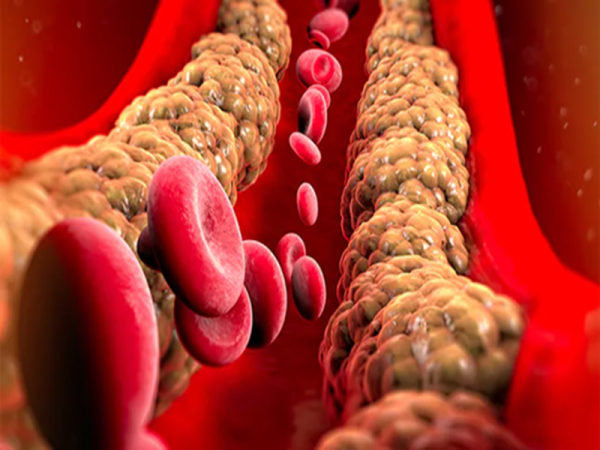
The hustle and bustle of modern life, coupled with changing dietary habits, is having a profound impact on people's health. While high cholesterol was once considered a problem primarily affecting the elderly, it is now being observed with increasing frequency among young adults. Experts warn that if dietary and lifestyle changes are not implemented promptly, this issue could eventually lead to serious heart-related diseases.

**Why Does Cholesterol Rise?**
Elevated cholesterol levels do not depend solely on the *quantity* of fat consumed, but also—crucially—on the *type* of fat we ingest. Not all fats are harmful; in fact, certain healthy fats are essential for the body, as they help increase "good" cholesterol (HDL) and reduce "bad" cholesterol (LDL). Therefore, incorporating foods such as avocados, walnuts, almonds, and light vegetable dishes prepared with olive oil into one's diet can be highly beneficial.
**A 5-Minute Walk Every Hour is Essential**
To delve deeper into this subject, the *Local 18* team interviewed Dr. Meenakshi Sharma, an Ayurvedic physician practicing at the Civil Hospital in Ambala City. She noted that modern lifestyles have undergone significant changes, with the majority of people now spending long periods sitting while working. Given this scenario, it is imperative to take a walking break of at least five minutes every hour to ensure the body remains active and healthy.
**What to Eat and Drink When Cholesterol Levels Rise**
Dr. Sharma advises replacing refined oils in one's diet with mustard oil, coconut oil, or *desi* (pure) cow ghee, as these are considered healthier alternatives. To help keep cholesterol levels in check, consuming flaxseed powder at bedtime is recommended. Additionally, soaking 3–4 cloves of garlic in water overnight and consuming them the following morning has also been shown to yield positive results.
Dr. Meenakshi further explained that individuals prone to gastric issues may consume garlic *after* their meals rather than on an empty stomach. Furthermore, the use of fenugreek seeds (*methi*) and cinnamon is also regarded as beneficial within the principles of Ayurveda. Finally, a decoction (*kadha*) made from the bark of the Arjuna tree is another effective remedy for aiding in cholesterol control. He also suggested a home remedy: add one cup of water and 3–4 cloves of garlic to one cup of milk, and boil the mixture thoroughly. Once the water has completely evaporated, consuming this milk can help keep cholesterol levels under control. Additionally, incorporating beetroot salad into one's meals is also beneficial.
**Exercise Special Caution Regarding Dinner**
It is essential to exercise special caution regarding dinner, as the evening meal directly impacts digestion and metabolism. Therefore, dinner should be light, balanced, and rich in nutrients. Fiber-rich foods help in reducing "bad" cholesterol. Including green vegetables such as oats, broken wheat porridge (daliya), spinach, bottle gourd, and ridge gourd in one's dinner is beneficial.
Furthermore, salads containing ingredients like cucumber, tomatoes, and carrots help improve digestion. Protein is also a vital component of a balanced diet; therefore, one should consume a light yet protein-rich meal in the evening. Options such as *moong dal* (green gram lentils), *masoor dal* (red lentils), grilled paneer, tofu, boiled chickpeas, and sprouts are considered suitable choices for dinner.

**What to Avoid When Dealing with High Cholesterol**
Conversely, consuming fried foods, fast food, and excessive amounts of salt and sugar can rapidly elevate cholesterol levels. It is also crucial to steer clear of red meat and processed foods. Experts advise that, as far as possible, one should opt for simple, home-cooked meals for dinner to maintain optimal heart health.
PC Social Media
-
Libra Daily Horoscope Today for May 6, 2026: Trying to make everything perfect may take away from the moment

-
Gemini Daily Horoscope for 6 May 2026: Astro tips for career growth and stability

-
Capricorn Daily Horoscope Today for May 6, 2026: Progress does not need to feel heavy today

-
Taurus Daily Horoscope for May 6, 2026: The day brings steadiness in love, career, and health

-
Farooq Abdullah Comments on Recent Punjab Explosions, Sparks Controversy