
Listen to this article in summarized format
Loading...
××
Subscribe to

Unlock AI Briefing and Premium Content
New Year Offer 24 Hours Left
Subscribe NowAlready a member? Sign In
What's Included
- Exclusive Stories
- Daily ePaper Access
- Smart Market Tools
- Curated Investment Ideas
- Ad-lite Experience
Subscription

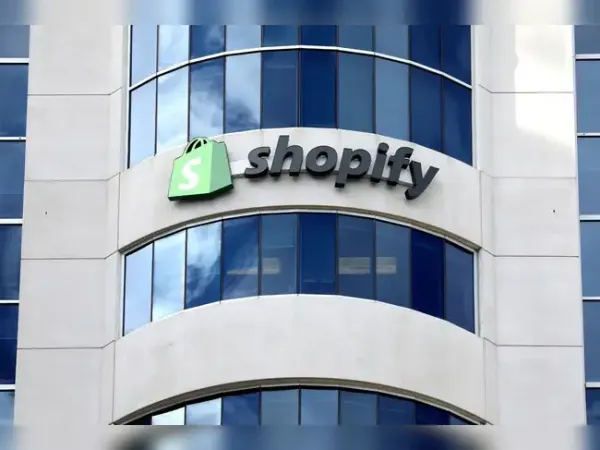
Shopify projected second-quarter sales and profit largely in line with analysts' estimates on Tuesday, signaling softer demand for its e-commerce services as retail businesses grapple with higher costs tied to the Middle East conflict.
The tepid outlook knocked its U.S.-listed shares down more than 5% in premarket trading, overshadowing an upbeat first quarter fueled by resilient consumer spending, as seen in recent results by payment processing giants including Mastercard and Visa.
Businesses are now facing heightened economic uncertainties as the Middle East conflict pushes up gas prices and squeezes household budgets, with annual U.S. inflation hitting a three-year high in March.
For companies ranging from consumer goods giants and airline majors to small- and medium-sized retailers, which make up a large portion of Shopify's client base, the war in Iran has led to a surge in costs, prompting them to tighten spending.
The spike in costs coincides with retailers' efforts to recover from the impact of U.S. tariffs, which left many small businesses scrambling to secure alternative supply routes and caused some companies to lose out on sales.
This is a double whammy for Shopify, which primarily makes its revenue by taking a cut of merchant sales through payment processing fees, and by selling subscription plans to merchants.
The Ontario, Canada-based company expects second-quarter revenue to grow at a high-twenties percentage rate, while analysts expected a 26.8% increase, according to data compiled by LSEG.
Gross profit is expected to grow at a mid-twenties percentage range, compared with the estimate of a 24.6% increase.
Shopify's first-quarter revenue jumped 34% to $3.17 billion, while its adjusted per-share earnings came at 36 cents. Both topped analysts' expectations.
Assembly Elections 2026
Election Results 2026 Live Updates: Who's ahead in which state
West Bengal Election Results 2026 Live Updates
TN Election Result 2026 Live Updates
Businesses are now facing heightened economic uncertainties as the Middle East conflict pushes up gas prices and squeezes household budgets, with annual U.S. inflation hitting a three-year high in March.
For companies ranging from consumer goods giants and airline majors to small- and medium-sized retailers, which make up a large portion of Shopify's client base, the war in Iran has led to a surge in costs, prompting them to tighten spending.
The spike in costs coincides with retailers' efforts to recover from the impact of U.S. tariffs, which left many small businesses scrambling to secure alternative supply routes and caused some companies to lose out on sales.
This is a double whammy for Shopify, which primarily makes its revenue by taking a cut of merchant sales through payment processing fees, and by selling subscription plans to merchants.
The Ontario, Canada-based company expects second-quarter revenue to grow at a high-twenties percentage rate, while analysts expected a 26.8% increase, according to data compiled by LSEG.
Gross profit is expected to grow at a mid-twenties percentage range, compared with the estimate of a 24.6% increase.
Shopify's first-quarter revenue jumped 34% to $3.17 billion, while its adjusted per-share earnings came at 36 cents. Both topped analysts' expectations.