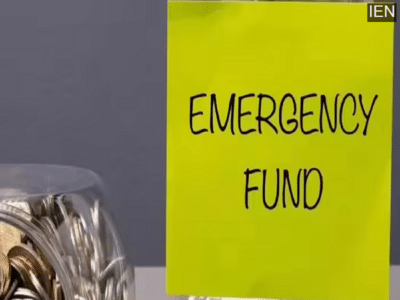
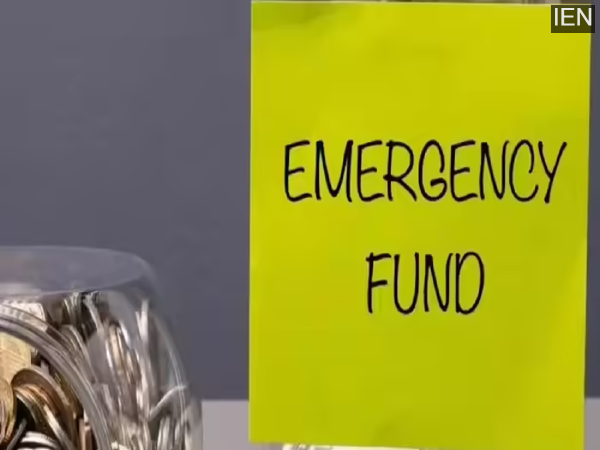
An emergency fund consists of money specifically set aside to handle unforeseen circumstances. Therefore, if you haven’t created an emergency fund yet but are now planning to do so, you should definitely familiarize yourself with certain rules regarding its creation. Let’s take a look.
Anyone can face a sudden need for money at any point in life. Whether it involves unexpected medical expenses, home repairs, or situations like job loss, sudden financial requirements can arise without warning. To safeguard against such situations, it is essential for every individual to save and build a robust fund that can serve as a lifeline during difficult times. This very fund is known as an emergency fund. An emergency fund provides financial security during tough periods and prevents you from falling into a debt trap.
An emergency fund consists of money specifically set aside to handle unforeseen circumstances. This money is not intended for planned expenses—such as vacations, shopping sprees, or investments. Therefore, if you haven’t created an emergency fund yet but are now planning to do so, you should definitely familiarize yourself with certain rules regarding its creation. Let’s take a look.
Covering 3 to 6 Months of Expenses
If your monthly expenses amount to ₹50,000, your emergency fund should ideally be around ₹1.50 lakhs—meaning your emergency fund should be equivalent to at least three months’ worth of your living expenses. You may also choose to increase this amount further, based on your personal comfort level and requirements.
Keep the Emergency Fund Separate
It is crucial for every individual to keep their emergency fund strictly separate; that is, do not mix your emergency fund with your daily spending money or general savings. Keeping it in a separate bank account reduces the temptation to spend it unnecessarily and ensures that the funds remain secure.
Investing the Emergency Fund
If you choose to invest your emergency fund, ensure that you place it only in safe, low-risk options. Furthermore, invest it in avenues that allow for easy and quick withdrawal whenever the need arises.
Start Small
If you cannot set aside a large sum all at once, start by saving anywhere between ₹1,000 and ₹5,000 every month. Gradually, these small savings will accumulate into a substantial fund. To achieve this, make it a point to save a portion of your salary every month and build an emergency fund.
-
Mahindra To Bring In Many New SUVs Including Vision S As Part Of Scorpio Brand

-
'Stop Talking About Lineage Or Caste': Ravichandran Ashwin Responds After Netizen's 'Brahmin Afraid Of Dravidian' Remark

-
Fact Check: Did New Mom Katrina Kaif Make Met Gala 2026 Debut In Off-Shoulder Gown? Here's the Truth Behind Viral Photo

-
Irrfan Khan's Unreleased Film 'The Last Tenant' Finally Make Its Debut On YouTube After 26 Years

-
One daily habit can add extra few years to your life: What is the 7:1 sleep rule and how to follow it?