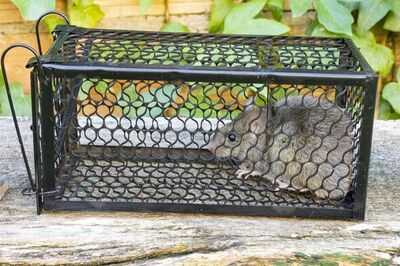
A plumbing and drainage expert warned one overlooked issue allows rats to use your pipes as "underground motorways" to invade UK homes.
Hidden drain faults are one of the biggest causes of rat infestations in UK homes, and confusion over who is responsible for fixing them is making the problem significantly worse.
Jack Cox, Managing Director and Founder of Bromley Plumbers, says he gets called out for rat-related drain issues once or twice a week.
With spring in full force and summer approaching, he warns that warmer temperatures will push rat activity higher, and that many homeowners are spending money on the wrong solution entirely.
"Rats are experts at finding safe routes in and out of properties," Cox said. "Drains and sewer pipes are like underground motorways for them."
They travel through pipework, move between properties, and surface wherever they find a weakness, whether that is a broken pipe, a damaged manhole cover, or a gap around a drain.
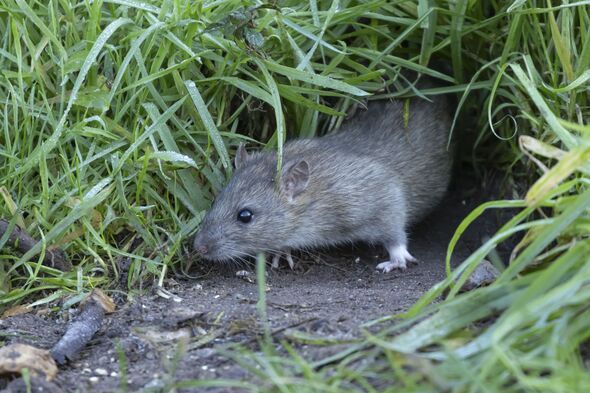
The core issue, according to Cox, is that most people treat what they can see rather than what is causing the problem below ground. Sprays, deterrents, and surface-level pest control rarely tackle the root cause when the real fault is sitting metres underground in a damaged drain or sewer pipe.
Cox shared one case that has stayed with him. A customer in Beckenham, Kent had rats appearing throughout her home, around the bathrooms and even surfacing near the bath. Over time, rats had chewed through three separate toilet waste pipes. When his team investigated further, they discovered a damaged communal drain around eight metres below ground, which was allowing rats to move freely through the shared system.
"The frustrating part was that because it was a shared drainage issue, there were delays and arguments between the parties involved over who was responsible for fixing it," Cox explained. That dispute left the problem unresolved for longer than it should have been, and the infestation continued throughout.
That case illustrates a problem many homeowners face without realising it. The question of who actually owns a drain is not always straightforward, and getting the answer wrong means either spending money on repairs that are not your responsibility, or waiting on others while rats continue to move through your property.
Cox breaks it down clearly. If the damaged drain serves only your home before it connects to the public sewer, it is generally your responsibility as the homeowner to fix it. If the problem lies in a shared drain or communal sewer, the local water company steps in. For much of the area his team covers, that means Thames Water for shared sewer issues.
This distinction is backed by Ofwat guidance on pipe and drain responsibility, which confirms that drains and private sewers carrying household waste are normally the householder's responsibility up to the point they connect with the public sewer. From that point on, the sewerage company takes over. Shared drains, those serving more than one property, carry a joint responsibility between the relevant property owners, which is precisely what makes disputes like the one Cox described so drawn out.
"We are often asked who is responsible for rats in drains and rat-related drain faults, and the answer depends on where the defect is," Cox said.
"A good plumber or drainage engineer should be able to help you work out whether the drain is private or shared, where the damage is likely to be, and what your next step should be."
Getting clarity on that early is not just practical advice. Cox is direct about the cost of getting it wrong. "Getting clarity early can save a lot of stress and wasted money."
For homeowners dealing with repeat infestations who have already tried pest control without success, Cox's advice is to have the drainage inspected before spending another penny on deterrents.
A CCTV drain survey can identify damage, blockages, or structural faults that give rats a route into the property, and it can confirm whether the fault sits on private or shared infrastructure before any money changes hands.
The timing matters. Rat activity rises as temperatures increase through summer, meaning any drainage fault left uninvestigated now is likely to become a more serious problem by July and August. Identifying the source of the problem, and knowing exactly whose responsibility it is to fix it, is the most direct route to resolving an infestation that keeps coming back.
-
Netflix Clips: Finding Shows and Movies on Mobile Just Got Easier—Here's How to Use It..

-
Prepaid Meter System Abolished in UP; Electricity Bills to Now Arrive via the Old Method
-
Government Announces DA Hike for Bank Employees: Find Out How Much Salaries Will Increase for Each Category
-
Hidden phone features can simplify parenting—yet most users don’t even know they exist.

-
Every Third Podcast Is Now AI-Generated—Why Is This a Cause for Concern?