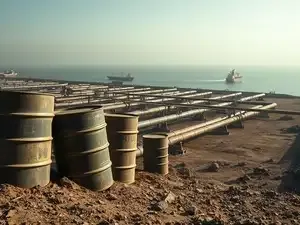
Why are oil and gas prices up today, and will Brent, US WTI crude futures and Dutch natural gas rates continue to rise or fall again? This question moved to the center of global markets after reports of missile activity near the Strait of Hormuz. Oil prices jumped around 5% in early trading. Gas markets in Europe also reacted. Traders focused on supply disruption risks and blocked shipping routes. The Strait of Hormuz carries a large share of global oil and LNG shipments. Any threat to this route affects global supply and demand expectations. Investors now watch geopolitical signals, OPEC+ production changes, gas storage data, and shipping flows.
Why are oil and gas prices up today, and will Brent, US WTI crude futures and Dutch natural gas rates continue to rise or fall again?
Oil and gas markets moved higher after reports about military tension near the Strait of Hormuz. A report from Iran’s Fars news agency claimed a US warship was hit by missiles and forced to turn back. The United States denied the claim. However, markets reacted quickly to the risk of disruption in a major oil shipping route.
Brent crude futures rose by $5.52 to $113.69 per barrel. US West Texas Intermediate crude rose by $5.10 to $107.04 per barrel. These increases followed losses recorded on Friday. Prices had already started moving up due to supply concerns before the incident report appeared.
Why are oil and gas prices up today?
The Strait of Hormuz plays a central role in global oil trade. A large share of oil shipments pass through this route. Any disruption creates fear of supply shortages. Traders respond quickly to these risks. Iran’s navy said it blocked entry of US warships into the area. Iran also warned US forces not to enter the strait. US officials denied the missile strike report but confirmed concern over shipping safety.
President Donald Trump said the United States would assist ships stranded in the region. However, shipping constraints remain in place. Markets continue to price in supply risk. A tanker also reported being hit by projectiles near Fujairah in the United Arab Emirates. This added to supply disruption concerns. Traders reacted to multiple signals pointing to rising risk in the region.
Will Brent, US WTI crude futures and Dutch natural gas rates continue to rise or fall again?
Oil prices had already been supported by ongoing supply disruption. Analysts said the price path remains upward if flows through the strait stay restricted. OPEC+ also announced an output increase of 188,000 barrels per day in June. This marks the third monthly increase. However, analysts believe much of this supply may remain on paper due to ongoing conflict and shipping disruption.
Iran wants to delay nuclear talks until after the war and until shipping blockades end. This delays diplomatic progress and keeps uncertainty high. As long as the Strait of Hormuz remains constrained, oil markets may remain sensitive to geopolitical news.
Dutch gas prices move higher amid LNG supply concerns
European gas markets also reacted. Dutch front-month gas at the TTF hub rose to 46.16 euros per megawatt hour. Prices had earlier dipped to 44.50 euros. LNG shipments remain trapped due to the conflict. Only one LNG tanker has passed the chokepoint since late February. This raises supply concerns for Europe. Norwegian gas pipeline supply also remains reduced due to maintenance. Gas nominations stood at 282.6 million cubic meters per day.
Europe also faces low gas storage levels. Storage sites are 33.4% full compared with 40.3% last year. This creates risk if demand rises later in the year. Markets also track weather risks. A warm and dry summer may affect supply and demand patterns.
Analysts insights and market outlook
Market analysts say traders are watching Middle East developments closely. Contradictory statements from the United States and Iran create uncertainty. Some analysts doubt the effectiveness of the US plan to reopen shipping routes. The market is waiting for proof of safe passage through the strait.
Oil and gas markets often react to geopolitical signals faster than to physical supply changes. This explains the strong price move despite limited confirmed damage. The overall outlook depends on three key factors: shipping access, supply levels, and diplomatic progress.
What should investors do now?
Investors now track volatility in energy markets. Oil above $100 per barrel signals strong risk pricing. Gas markets also reflect supply concern. Investors often watch OPEC+ output, gas storage levels, shipping routes, and political negotiations. These signals help predict price movement. Energy markets may remain sensitive to headlines. Price swings may continue until supply flows stabilize and diplomatic progress appears.
Q1: How does the Strait of Hormuz impact global oil and gas prices?
The Strait of Hormuz handles a large share of global oil and LNG shipments. Any conflict, blockade, or military tension in this route creates supply fears, which quickly push oil and gas prices higher worldwide.
Q2: Can OPEC+ production increases lower oil prices soon?
OPEC+ plans to raise output, but conflict and shipping disruption may limit real supply growth. If supply stays restricted, oil prices may remain elevated despite planned production increases.
Why are oil and gas prices up today, and will Brent, US WTI crude futures and Dutch natural gas rates continue to rise or fall again?
Oil and gas markets moved higher after reports about military tension near the Strait of Hormuz. A report from Iran’s Fars news agency claimed a US warship was hit by missiles and forced to turn back. The United States denied the claim. However, markets reacted quickly to the risk of disruption in a major oil shipping route.Brent crude futures rose by $5.52 to $113.69 per barrel. US West Texas Intermediate crude rose by $5.10 to $107.04 per barrel. These increases followed losses recorded on Friday. Prices had already started moving up due to supply concerns before the incident report appeared.
Why are oil and gas prices up today?
The Strait of Hormuz plays a central role in global oil trade. A large share of oil shipments pass through this route. Any disruption creates fear of supply shortages. Traders respond quickly to these risks. Iran’s navy said it blocked entry of US warships into the area. Iran also warned US forces not to enter the strait. US officials denied the missile strike report but confirmed concern over shipping safety.President Donald Trump said the United States would assist ships stranded in the region. However, shipping constraints remain in place. Markets continue to price in supply risk. A tanker also reported being hit by projectiles near Fujairah in the United Arab Emirates. This added to supply disruption concerns. Traders reacted to multiple signals pointing to rising risk in the region.
Will Brent, US WTI crude futures and Dutch natural gas rates continue to rise or fall again?
Oil prices had already been supported by ongoing supply disruption. Analysts said the price path remains upward if flows through the strait stay restricted. OPEC+ also announced an output increase of 188,000 barrels per day in June. This marks the third monthly increase. However, analysts believe much of this supply may remain on paper due to ongoing conflict and shipping disruption.Iran wants to delay nuclear talks until after the war and until shipping blockades end. This delays diplomatic progress and keeps uncertainty high. As long as the Strait of Hormuz remains constrained, oil markets may remain sensitive to geopolitical news.
Dutch gas prices move higher amid LNG supply concerns
European gas markets also reacted. Dutch front-month gas at the TTF hub rose to 46.16 euros per megawatt hour. Prices had earlier dipped to 44.50 euros. LNG shipments remain trapped due to the conflict. Only one LNG tanker has passed the chokepoint since late February. This raises supply concerns for Europe. Norwegian gas pipeline supply also remains reduced due to maintenance. Gas nominations stood at 282.6 million cubic meters per day.Europe also faces low gas storage levels. Storage sites are 33.4% full compared with 40.3% last year. This creates risk if demand rises later in the year. Markets also track weather risks. A warm and dry summer may affect supply and demand patterns.
Analysts insights and market outlook
Market analysts say traders are watching Middle East developments closely. Contradictory statements from the United States and Iran create uncertainty. Some analysts doubt the effectiveness of the US plan to reopen shipping routes. The market is waiting for proof of safe passage through the strait.Oil and gas markets often react to geopolitical signals faster than to physical supply changes. This explains the strong price move despite limited confirmed damage. The overall outlook depends on three key factors: shipping access, supply levels, and diplomatic progress.
What should investors do now?
Investors now track volatility in energy markets. Oil above $100 per barrel signals strong risk pricing. Gas markets also reflect supply concern. Investors often watch OPEC+ output, gas storage levels, shipping routes, and political negotiations. These signals help predict price movement. Energy markets may remain sensitive to headlines. Price swings may continue until supply flows stabilize and diplomatic progress appears.FAQs
Q1: How does the Strait of Hormuz impact global oil and gas prices?
The Strait of Hormuz handles a large share of global oil and LNG shipments. Any conflict, blockade, or military tension in this route creates supply fears, which quickly push oil and gas prices higher worldwide.
Q2: Can OPEC+ production increases lower oil prices soon?
OPEC+ plans to raise output, but conflict and shipping disruption may limit real supply growth. If supply stays restricted, oil prices may remain elevated despite planned production increases.