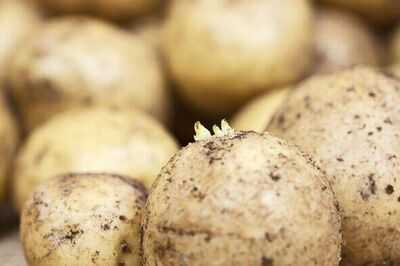
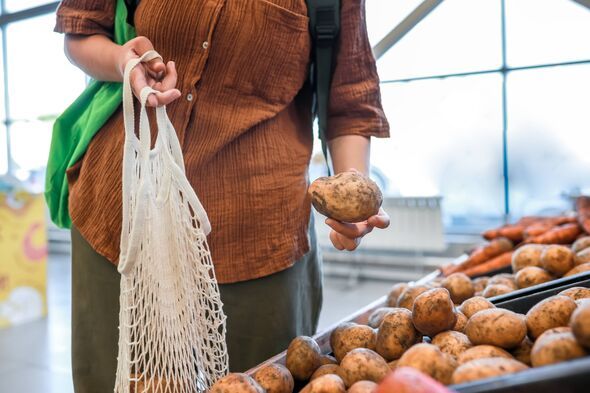
Whether you prefer them boiled, mashed, roasted, wedged, or sliced,potatoes are a British kitchen essential, and proper storage ensures they remain fresh for longer at home. Left in the plastic packaging they typically come in, potatoes can sprout and develop a green tinge before you manage to use them.
Fortunately, this can be readily prevented by adhering to some straightforward food storage guidance.The Food Standards Agency's most recent advice recommends that potatoes should be kept in the fridge or a cool, dry location. In the past, experts cautioned against refrigerating potatoes owing to health worries, with research linking cold-temperature storage to heightened levels of Acrylamide, a compound associated with cancer risks. However, you'll now spot a handy chilled symbol on your potato packaging, indicating that the fridge is a perfectly acceptable place for them following purchase.
The identical principles apply for fridge storage: allow potatoes sufficient room to prevent bruising and maintain distance from moisture-rich produce.
A Money Saving Expert Forum contributor recommends utilising two distinct salad boxes in the fridge - one for potatoes and other root vegetables, and the other for peppers, tomatoes, lemon, limes and delicate veggies.
They noted: "I take them out of any plastic bags or wrapping and put a layer of kitchen roll in the bottom to absorb any wetness."
A second forum member shared: "I store mine in the fridge in a paper bag and they last a bit longer than in the plastic bag they come in." A cool, dry location is equally effective for long-term storage, according to a food expert at The Kitchn. "If you have a dark, cool closet away from the heat of the kitchen, store them there", they said.
Your pantry or a cupboard will suffice too, provided the temperature remains consistently below 10C. Whichever location you select for keeping potatoes, make certain they are well away from cookers and heating vents.
Removing spuds from plastic bags and placing them in a basket or breathable cotton sack is always advisable.
Additionally, ensure they are completely dry before storing long-term. "Damp potatoes will rot or sprout faster", warns The Kitchn.
Tesco explains that darkness is ideal for storing potatoes as light will trigger photosynthesis and sprouting.
Tesco also noted: "It's also crucial that potatoes are stored away from other fresh produce, particularly onions, as they release ethylene gas. This means that your fruits and veggies will ripen one another too quickly, so your potatoes should be stored separately to stop this."
According to Tesco, "curing" healthy, unsprouted potatoes can prolong their lifespan for six months.
How to cure potatoesPick bulky potatoes with thick skin. Ensure they have no significant puncture marks, soft spots, mould, blemishes, or shovel damage.
Brush off the mud, but do not wash the potatoes when you get home. This adds moisture, which encourages sprouting.
Place the potatoes on a dark sheet of newspaper, ensuring they are not touching, so air can circulate. Leave the potatoes here for a couple of weeks.
Store the potatoes in a well-ventilated, cool, dry place below 10C. Check every few weeks to ensure there aren't any sprouted or spoiled spuds in the batch.
-
Deepika Padukone will not attend Met Gala 2026

-
I had a hot summer fling in the Hamptons, but ended up visiting him in prison

-
Last chance: Glossier is discontinuing bestsellers at 30% off

-
NHIDCL has recruited 85 posts, applications start from May 9, know the eligibility and selection process.

-
AC becomes a bomb in summer, alert after Ghaziabad accident, avoid these mistakes, otherwise it may prove costly