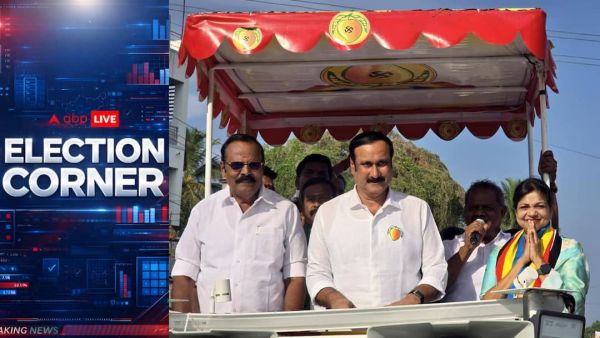
Tamil Nadu Election Results 2026: The Pattali Makkal Katchi (PMK), led by Anbumani Ramadoss, is emerging as a notable player in the Tamil Nadu Assembly Elections 2026, with counting trends showing the party ahead in five constituencies. Contesting 18 seats as part of an alliance, PMK’s performance is drawing attention not just for its numbers, but for its potential role in post-poll arithmetic.
Even as counting continues, political observers are closely watching whether PMK could turn into a decisive factor if no single party secures a clear majority.
Leads Across Key Constituencies
PMK has taken the lead in multiple constituencies, reflecting its concentrated influence in select regions:
- Pennagaram (58): Selvam V. — 19,725 votes, margin 3,612
- Dharmapuri (59): Sowmiya Anbumani — 46,080 votes, margin 6,817
- Gingee (70): Ganeshkumar A. — 18,514 votes, margin 4,334
- Vikravandi (75): Sivakumar C. — 15,690 votes, margin 547
- Jayankondam (150): Vaithilingam G. — 41,388 votes, margin 9,693
These leads underline PMK’s ability to remain competitive despite contesting a limited number of seats.
Alliance Politics and Kingmaker Speculation
For the 2026 elections, PMK aligned with the AIADMK-BJP front. However, speculation continues that the party could play a pivotal role after results are declared. If Tamilaga Vettri Kazhagam (TVK), led by Vijay, falls short of a majority, PMK’s support could become crucial.
Anbumani Ramadoss has not ruled out backing TVK, keeping political options open and fuelling discussions around potential post-poll realignments.
The PMK
Founded on July 16, 1989, by S. Ramadoss, PMK traces its origins to the Vanniyar Sangam movement. The party has historically championed social justice and representation, particularly for the Vanniyar community, giving it a strong regional base.
This legacy continues to shape its electoral strategy, allowing it to maintain relevance even in a rapidly evolving political landscape.
Leadership Rift Casts Shadow
The election campaign unfolded against the backdrop of a significant internal conflict within PMK. A power struggle between founder S. Ramadoss and his son Anbumani Ramadoss escalated into a legal dispute over control of the party’s name, symbol, and organisational authority.
The disagreement, which intensified through 2025 and early 2026, centred on leadership autonomy and decision-making powers. The Madras High Court has directed that the matter be heard by a civil court after the Assembly elections, leaving the issue unresolved for now.
A Small Party With Big Influence?
Despite internal challenges, PMK’s early leads suggest it could punch above its weight in this election. With a handful of seats but strategic importance, the party may find itself in a position to influence government formation if the final tally produces a hung Assembly.
-
What happened when LaLiga's José Antonio Cachaza tried to sell football to cricket-crazy India

-
Bengal results: Mamata Banerjee leads BJP's Suvendu Adhikari in Bhabanipur

-
Newcastle owners make decision on sacking Eddie Howe as PIF send message

-
Shreyas Iyer Reflects on Punjab Kings' Performance Despite Loss to Gujarat Titans

-
Current Trends in Gold and Silver Prices Amid Geopolitical Tensions