Immediately after Partition, Urdu came under attack. Religious and provincial prejudice regarded it merely as the language of Muslims. Hindi, in fact, was being forcibly imposed. Hindi was recognised as our national language, and in due course, it might naturally have become the language of the people. But the well-wishers of Hindi wanted it to prevail everywhere overnight.
A strong reaction to this was only natural. Thus, in the South – especially in Madras – demonstrations broke out against Hindi, which turned into a prolonged agitation, the effects of which can be seen even to this day.
In these circumstances, Urdu newspapers and journals gave up the ghost. Delegations were sent to various political authorities regarding Urdu, resolutions were passed and efforts made to secure its rightful place. Leading politicians and ministers attended mushairas and, in their inaugural or presidential addresses, praised Urdu and spoke warmly in its favour. Even Pandit Nehru and Indira Gandhi lauded it. The president of India, Giani Zail Singh, too, spoke at length in support of Urdu. Yet Urdu could not be granted the status of a regional language.
Still, the campaign continued. It was Bihar that took the lead, becoming the first state to recognize Urdu as...
Read more
-
10 Injured In Shooting At Lake Near Oklahoma City
-
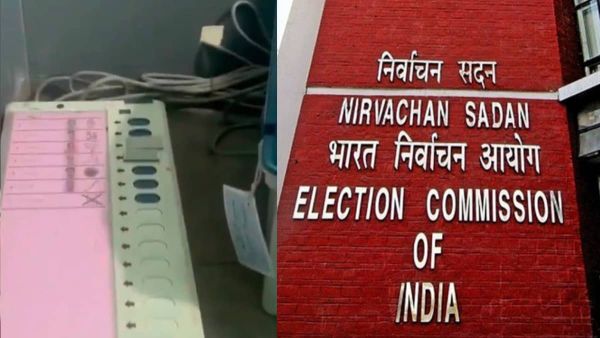
EC Bars Victory Rallies in West Bengal After Results
-
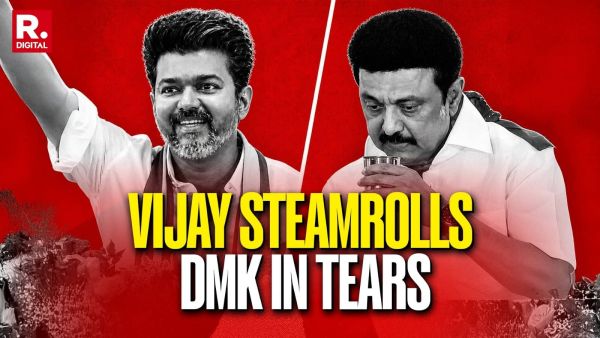
Tamil Nadu Polls: ‘Celebratory’ Tents Removed At DMK HQs As Early Trends Show Party Trailing, Worker Breaks Down On Camera | WATCH
-
Quote of the Day by Peter Shaffer: ‘The trouble is if you don’t spend your life yourself, other people spend it for you’ - The danger of not living life on your own terms
-
Social Security May Payments: What to expect after COLA boost, with maximum benefit reaching up to $5,181