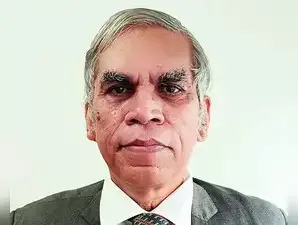
For four decades, SC Chetal worked solely on India’s fast breeder programme, an asset of the Department of Atomic Energy thatIndia worked diligently to keep outside the safeguards of International Atomic Energy Agency during the Indo-US nuclear deal. Asthe facility crossed a major milestone by reaching criticality, the former head of Indira Gandhi Centre for Atomic Research and akey figure in this accomplishment shares his insights exclusively with ET's Anubhuti Vishnoi. Edited excerpts:
On PFBR Criticality
PFBR achieving criticality is significant as it gives confidence that we can have a series of sodium-cooled fast reactors in India, a necessary second stage for our nuclear programme. It is a phenomenal development for India as it is a totally indigenous activity. I have been involved with thermal power reactors as well, but that technology is mostly foreign. In the case of PFBR, it is designed by India and manufacturing of all components has also been done in India. We had also done extensive work on manufacturing technology of key components prior to sanction of PFBR for building confidence.
I would say PFBR is over 90% indigenous as we did have to import--mainly large-size stainless steel plates and sodium for PFBR. There were peculiar reasons for the same--mainly due to economy of scale where we do need to work. So, India is not gifted with large amounts of natural uranium. To make the best use of our limited natural uranium, we need fast reactors, as these have potential to generate 300GW against 10GW in PHWRs. We must frame our energy policy in general based on the resources we have. Sometimes, policymakers get guided by what happens in the Western world, but we need to be cautious.
On Plans Ahead
I understand that two more reactors will be established at Kalpakkam of similar design. These next-stage reactors would take less time to build compared with PFBR. So, we should be able to build the next reactors at Kalpakkam in 7 years from approval time. Once the PFBR goes into full power commercial operation (may be maximum of a year from now), its spent fuel will be reprocessed enabling the 'closed' fuel cycle system. This second stage is important because as we go further, we will be using thorium 232 blankets instead of uranium 238, as is the case in PFBR. Once we have the blankets in thorium, then we can convert the reprocessed blankets to U233 fuel. The ultimate target of the Indian fast reactors is planned to be based on 1000 MW metal fuel reactors from better breeding potential instead of the mixed oxide of plutonium and uranium used in PFBR.
On Commercial Op
Currently, we are at zero-power for low power operations at PFBR, as per the AERB consenting process. Since this reactor is a first of its kind in India, data must be generated and intimated to safety authorities on provisions linked with safety. We will have to go through several stages of operation-- at 20% power, 30% power, 50% power, 90% power, and full power. This is necessary so that the performance of various components can be checked on various parameters.
Power from PFBR to grid could start at 30% while commercial operation implies in general full power operation.
On N-Power Matrix
India has established the 700 MW PHWR with 3 units already in operation. So, our primary nuclear power production in the next, say 20 years, will be based on thermal reactors both indigenous and imported. Once PFBR goes to full power, we are going to have two units at Kalpakkam. It is also envisaged that we would have four more fast reactors at another site along with associated fast reactor fuel cycle facility. So, we first intend to introduce the fast reactors in a gradual manner and subsequently bring in reactors based on U233-thorium cycle reactors on commercial scale.
On PFBR Delays & Failures
I would say that we kept the quality assurance very high. There have been challenges, but I would not call them failures, as something of this nature was being done for the first time at such a large scale and to very stringent manufacturing requirements and, hence, delays in construction. Each unanticipated event during commissioning took more than a year to rectify. Commissioning has taken longer than anticipated but I am hopeful that the next reactors will not have the same issues and incorporate the lessons learnt.
On Tech Gaps
Our main problem is we do not dare to go largescale. China is able to think and make for the world. We are good at science and engineering, but we need to improve on economy of scale and technology. That is the gap. I will be happy when technology is denied to India. Then, you will develop it. We need to be more flexible in placement of contracts. Fortunately, in the atomic energy sector, this problem is not there as we see capability rather than prior experience. For PFBR, all major nuclear components were sought on a limited tender basis. India has all the infrastructure to do advanced technologies. What we need is push. In atomic energy, fortunately, the push is inured.
On Strategic use options
Our aim for PFBR is to make fuel for the next stage of future fast breeder system for power generation. For PFBR, we are going to reprocess the spent fuel at Fast Reactor Fuel Cycle Facility at Kalpakkam and going to refabricate the fuel also here. A closed cycle in real sense. We must look for solutions based on our resources. On energy front, why not produce hydrogen and other fuels from abundant coal in gasification plants. and also what role low-rated nuclear reactors of high specific capital cost SMRs have in power generation.
On PFBR Criticality
PFBR achieving criticality is significant as it gives confidence that we can have a series of sodium-cooled fast reactors in India, a necessary second stage for our nuclear programme. It is a phenomenal development for India as it is a totally indigenous activity. I have been involved with thermal power reactors as well, but that technology is mostly foreign. In the case of PFBR, it is designed by India and manufacturing of all components has also been done in India. We had also done extensive work on manufacturing technology of key components prior to sanction of PFBR for building confidence.
I would say PFBR is over 90% indigenous as we did have to import--mainly large-size stainless steel plates and sodium for PFBR. There were peculiar reasons for the same--mainly due to economy of scale where we do need to work. So, India is not gifted with large amounts of natural uranium. To make the best use of our limited natural uranium, we need fast reactors, as these have potential to generate 300GW against 10GW in PHWRs. We must frame our energy policy in general based on the resources we have. Sometimes, policymakers get guided by what happens in the Western world, but we need to be cautious.
On Plans Ahead
I understand that two more reactors will be established at Kalpakkam of similar design. These next-stage reactors would take less time to build compared with PFBR. So, we should be able to build the next reactors at Kalpakkam in 7 years from approval time. Once the PFBR goes into full power commercial operation (may be maximum of a year from now), its spent fuel will be reprocessed enabling the 'closed' fuel cycle system. This second stage is important because as we go further, we will be using thorium 232 blankets instead of uranium 238, as is the case in PFBR. Once we have the blankets in thorium, then we can convert the reprocessed blankets to U233 fuel. The ultimate target of the Indian fast reactors is planned to be based on 1000 MW metal fuel reactors from better breeding potential instead of the mixed oxide of plutonium and uranium used in PFBR.
On Commercial Op
Currently, we are at zero-power for low power operations at PFBR, as per the AERB consenting process. Since this reactor is a first of its kind in India, data must be generated and intimated to safety authorities on provisions linked with safety. We will have to go through several stages of operation-- at 20% power, 30% power, 50% power, 90% power, and full power. This is necessary so that the performance of various components can be checked on various parameters.
Power from PFBR to grid could start at 30% while commercial operation implies in general full power operation.
On N-Power Matrix
India has established the 700 MW PHWR with 3 units already in operation. So, our primary nuclear power production in the next, say 20 years, will be based on thermal reactors both indigenous and imported. Once PFBR goes to full power, we are going to have two units at Kalpakkam. It is also envisaged that we would have four more fast reactors at another site along with associated fast reactor fuel cycle facility. So, we first intend to introduce the fast reactors in a gradual manner and subsequently bring in reactors based on U233-thorium cycle reactors on commercial scale.
On PFBR Delays & Failures
I would say that we kept the quality assurance very high. There have been challenges, but I would not call them failures, as something of this nature was being done for the first time at such a large scale and to very stringent manufacturing requirements and, hence, delays in construction. Each unanticipated event during commissioning took more than a year to rectify. Commissioning has taken longer than anticipated but I am hopeful that the next reactors will not have the same issues and incorporate the lessons learnt.
On Tech Gaps
Our main problem is we do not dare to go largescale. China is able to think and make for the world. We are good at science and engineering, but we need to improve on economy of scale and technology. That is the gap. I will be happy when technology is denied to India. Then, you will develop it. We need to be more flexible in placement of contracts. Fortunately, in the atomic energy sector, this problem is not there as we see capability rather than prior experience. For PFBR, all major nuclear components were sought on a limited tender basis. India has all the infrastructure to do advanced technologies. What we need is push. In atomic energy, fortunately, the push is inured.
On Strategic use options
Our aim for PFBR is to make fuel for the next stage of future fast breeder system for power generation. For PFBR, we are going to reprocess the spent fuel at Fast Reactor Fuel Cycle Facility at Kalpakkam and going to refabricate the fuel also here. A closed cycle in real sense. We must look for solutions based on our resources. On energy front, why not produce hydrogen and other fuels from abundant coal in gasification plants. and also what role low-rated nuclear reactors of high specific capital cost SMRs have in power generation.