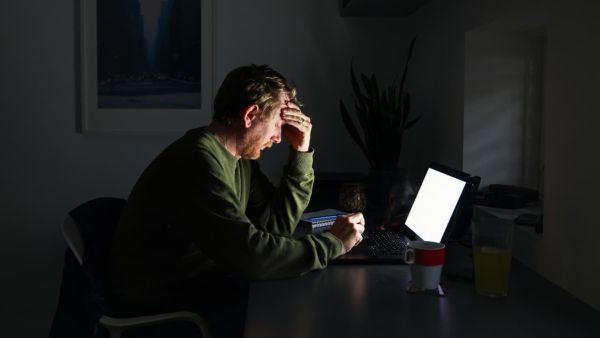
Discover the hidden health risks of prolonged sitting, from heart disease to diabetes. Learn why exercise isn't enough and find simple solutions to reduce sedentary time.
For years, public health campaigns have raised concerns about the dangers of smoking. Now, experts are highlighting another common routine that might be harming our health in a less obvious way: spending long hours sitting. In modern life, people often sit for up to ten hours a day, whether at desks, during meetings, or while using digital devices. While this may seem harmless, research published in major medical journals shows strong connections between prolonged sitting and serious health issues, including cardiovascular disease, type 2 diabetes, and even early death, as explained by experts writing for The Conversation.
Activity Gap
Traditional health advice has encouraged people to exercise more and eat better. While this continues to be important, researchers emphasize that it doesn’t tell the full story. A person might follow exercise guidelines and still face health risks if they sit most of the day.
Physical inactivity refers to not getting enough exercise, while sedentary behaviour involves long periods of low-energy activities, such as sitting or lying down. These are separate issues, and both can affect health in different ways.
Body Changes
When the body stays still for long periods, several biological changes take place. Experts explain that muscle activity decreases, making it harder for the body to manage blood sugar properly.
Over time, this can lead to insulin resistance, a major contributor to type 2 diabetes. Fat metabolism slows, and reduced blood flow limits the delivery of oxygen and nutrients. These changes can gradually lead to high blood pressure and poor heart health.
Physical Strain
Prolonged sitting can also harm the musculoskeletal system. Restricted movement and bad posture can put stress on the neck, shoulders, and lower back, which explains why many office workers often feel uncomfortable or stiff.
In addition, long periods of inactivity can lower energy levels, weaken concentration, and make people feel less productive during the workday.
Workplace Impact
According to public health researchers, physical inactivity is linked to millions of deaths worldwide each year. As adults spend much of their time at work, workplaces have a major influence on daily habits.
Experts suggest that reducing sitting time doesn’t require big changes. Small actions, such as standing or walking for a few minutes every hour, can help improve health outcomes.
Simple Solutions
Studies, including research conducted in the UK, show that strategies like standing desks, walking meetings, and taking regular movement breaks can greatly reduce daily sitting time. Employees often report improved focus, more energy, and less discomfort.
Regular exercise is important, but it can’t fully counteract the effects of sitting for long periods. Small, consistent changes throughout the day can make a meaningful difference to long-term health.
-
IPL 2026: Nicholas Puran hit a six on every second ball, scored the fastest half-century, left behind Vaibhav Suryavanshi

-
MS Dhoni’s IPL 2026 Absence: Injury or Silent Farewell in the Making? Speculation Takes Centre Stage

-
BJP’s storm in West Bengal, see how every BJP worker is immersed in celebration across the country. BJP S West Bengal Wave Sparks Nationwide Celebrations

-
51 Plus These 5 vitamins are like nectar for men, take them daily – News Himachali News Himachali

-
Dr Lal PathLabs: Despite declining profits, shares rose 20%, due to which investors got silver!