Why China’s Plastic-Eating Weight Loss Trend Is as Toxic as It Sounds: Hidden Health Risks, Microplastics & Dangerous Diet Culture
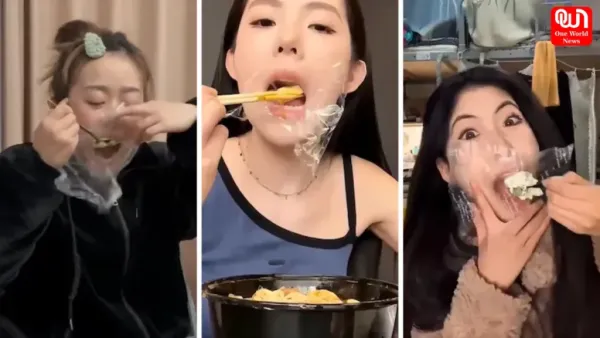
In the ever-evolving world of viral fitness hacks, the plastic-eating weight loss trend emerging from China stands out—not for innovation, but for how dangerously misguided it is. Promoted heavily on social media, this bizarre practice involves wrapping the mouth in plastic or placing cling film inside it, chewing food, and then spitting it out without swallowing. The idea? Trick the brain into feeling full without consuming calories.
At first glance, it may sound like a clever shortcut to weight loss. In reality, it’s a toxic mix of misinformation, health risks, and disordered eating behaviors.
What Is the Plastic-Eating Weight Loss Trend?
The so-called “plastic-eating” method is not actually about eating plastic in the traditional sense. Instead, participants place a thin layer of plastic over or inside their mouth, chew food for taste and texture, and spit everything out afterward. The goal is to simulate eating while avoiding calorie intake.
This trend has gained traction among young people, largely driven by social media platforms that glorify extreme dieting and unrealistic body standards.
But here’s the truth: there is no scientific evidence that this method leads to sustainable weight loss.
The Hidden Danger of Microplastics
One of the most alarming aspects of the plastic-eating weight loss trend is exposure to microplastics. When plastic is chewed or pressed against food, tiny particles can break off and enter the body.
These particles don’t just pass through harmlessly. Research suggests they can:
- Trigger inflammation in the digestive system
- Accumulate in organs like the liver and intestines
- Disrupt hormonal balance
- Increase oxidative stress in the body
Over time, this can lead to chronic health issues, making the “diet” far more harmful than beneficial.
read more: Poson Festival 2026: History, Significance & Celebrations in Sri Lanka
Choking, Breathing, and Oral Health Risks
Beyond microplastics, the physical dangers are immediate and serious. Doctors warn that placing plastic near the mouth while eating can increase the risk of choking or suffocation.
Other risks include:
- Gum injuries and mouth ulcers from friction
- Tooth enamel damage due to unnatural chewing
- Increased bacterial growth trapped under plastic
- Difficulty breathing or inhaling plastic particles
What starts as a “harmless hack” can quickly turn into a medical emergency.
A Shortcut That Damages Your Metabolism
Even if someone manages to avoid immediate physical harm, the plastic-eating weight loss trend can disrupt the body’s natural processes. Chewing food without swallowing confuses the gut-brain connection.
When you chew, your body prepares for digestion—releasing enzymes and stomach acid. But when food never arrives in the stomach, this can lead to:
- Acid reflux and gastritis
- Nutrient deficiencies
- Slower metabolism
- Fatigue and muscle loss
Ironically, instead of helping with weight loss, this can make long-term weight management harder.
The Psychological Toll: Disordered Eating Patterns
Perhaps the most concerning aspect is the psychological impact. The plastic-eating weight loss trend mirrors behaviors seen in eating disorders—particularly the “chew and spit” pattern.
Experts warn that this can:
- Create an unhealthy obsession with food and calories
- Increase anxiety around eating
- Reinforce negative body image
- Lead to long-term eating disorders
This isn’t just a diet trend—it’s a gateway to deeper mental health issues.
Why Social Media Is Fueling the Trend
The rise of the plastic-eating weight loss trend highlights a bigger problem: the influence of social media on health choices. Viral challenges often prioritize shock value over safety, making extreme behaviors seem normal or even desirable.
Young users, in particular, are vulnerable to these trends due to:
- Pressure to achieve unrealistic body standards
- Desire for quick results
- Lack of credible health information
As a result, dangerous practices spread faster than expert advice.
The Bottom Line: No Shortcut Is Worth This Risk
The plastic-eating weight loss trend is a stark reminder that not all viral hacks are harmless. From microplastic exposure to mental health risks, the dangers far outweigh any perceived benefits.
Read more: 5 Times Vijay Varma Proved He Is The King Of Men Fashion
Healthy weight loss doesn’t come from tricks—it comes from balanced nutrition, regular physical activity, and sustainable habits. Any method that involves deception—whether of the brain or the body—is unlikely to deliver real results.
In the end, this trend isn’t just toxic because of plastic. It’s toxic because it promotes a fundamentally unhealthy relationship with food and the body.
-
No time to prepare the roast! Then make Crispy Onion Thalipeeth in 10 Minutes, Note Instant Recipe
-
New Glass Bridge in Telangana: Thrill and Employment Opportunities

-
Arunachalam Muruganantham became the world’s hero! ‘Padman’ nominated for Nobel Peace Prize

-
Zebronics Zeb-PixaPlay 77G Smart Projector Launched; You will get many best features

-
Emergency Alert- Alert will be received before earthquake or cyclone, indigenous emergency alert system launched