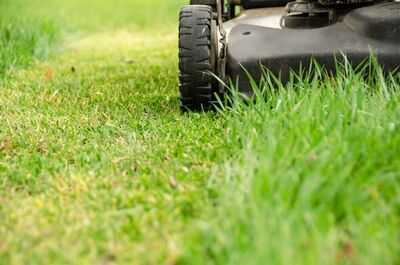
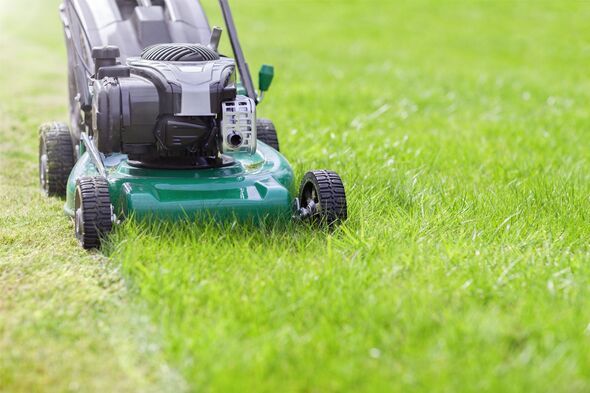
No Mow May has officially begun today, Friday May 1, and gardeners across the UK are being told to stop mowing their lawns, grass and other green spaces for the rest of this month - and ideally, all the way to July.
Plantlife is the charity behind the annual No Mow May campaign, now in its eighth year, which has gathered momentum every year.
The charity, which specialises is conservation and protecting the UK's countryside and wildlife, says that the UK has lost 97% of its flower meadows since 1930, which is vital food and habitat for the country's nature.
But there are 23 million gardens in the UK, and if each one of them agreed to let the grass grow every spring, it would make a massive difference to the country's wildlife and 'even the smalles grassy patches can add up'.
It says: "No Mow May is Plantlife's annual campaign urging everyone to pack away the lawnmower, let wildflowers grow freely and help nature from your doorstep.
- Gardeners warned not to mow lawns from May 1
- Gardeners told not to install fake grass in gardens
"From May onwards, simply stop mowing your lawn (or even just a small part of it) and do more by doing less.
"No lawn is too small! Even the tiniest wild patch can provide vital food needed by bees and butterflies and give wildlife the best start to summer.
"Plus, less mowing will save you effort, cost, reduce your carbon footprint and give you a deeper connection to nature.
"It really is that simple to make a difference - from May, put the mower away!"
But some wildlife experts have urged gardeners to go even further. In fact, according to the Royal Society for the Protection of Birds, the best thing you can do for your garden, and the things living in it, is not to cut the lawn at all until early July.
According to the RSPB's guidance, mowing the lawn less often, or even not mowing the lawn at all, is the best thing to do for the wildlife in your garden.
It says: "Mowing your lawn less saves you time and makes a big difference to the wildlife in your garden. Create a mini jungle for beetles and other small creatures to wander and where sparrows and goldfinches can come to feed on the seeds.
"The grasses will set seed, wildflowers can bloom and provide nectar, and the longer stems will create a sheltered microclimate. Avoid using strimmers too, as they can injure hedgehogs, frogs and insect larvae. If you can resist mowing your lawn until late summer, this will mimic the hay meadows of old.
"If you want to have a bigger impact for wildlife, don't mow your lawn at all until early July. Then mow as normal until the grass stops growing in late autumn. This is the kind of meadow where you can plant spring-flowering bulbs like crocus and early daffodils. As they die back you could have cowslips coming through along with bulbs such as snakes head fritillary."
For those who can't resist cutting through their lawn, it's still beneficial to make fewer cuts.
It adds: "Mow your lawn once in late March or early April and then leave it until August or September before mowing once or twice until the end of the autumn growing season. This will mimic the old hay meadows and will suit flowers like Corn Marigold and Bird's-foot-trefoil. Letting your grass grow until late summer provides shelter and delights for your garden critters."
This is crucial because if pollinators die out, nothing will ever grow again, pushing the entire human species into extinction.
-
HCL World Tennis Tour ITF W15 Delhi Sees Intense Quarterfinal Battles And Thrilling Wins

-
MS Dhoni Nears Comeback As Michael Hussey Confirms Strong Recovery From Calf Injury
-
Odisha Class 10 Result 2026: Board Of Secondary Education, Odisha To Announce AHSC Scores Today At 4 PM; Link Activate At 6 PM

-
NEP 2020 Transition Causes Initial Shortage, NCERT Ramps Up Class 9 Textbook Production Nationwide

-
Maharashtra Board HSC Result 2026: List Of Websites To Access Class 12 Scores