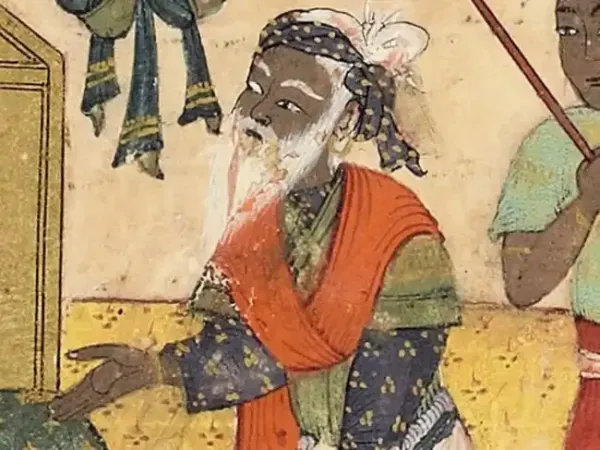
Indian proverbs are timeless sources of wisdom that continue to guide everyday life with practical lessons and cultural insight. Rooted in generations of experience, these traditional sayings offer valuable advice on relationships, decision-making, patience, honesty, and personal growth. Whether drawn from ancient texts like the Panchatantra or passed down through family conversations, Indian proverbs simplify complex life truths into memorable words. They help individuals navigate modern challenges by offering moral clarity and a deeper understanding. Even today, these proverbs remain relevant, connecting people to India’s rich heritage while teaching essential values that support wiser, more thoughtful living.
The Indian proverb of the day is from a story featured in Panchatantra, an ancient collection of interrelated animal fables and stories, written in Sanskrit, that teaches practical wisdom, ethics, and political science. Composed around 200 BCE - 300 CE by Vishnusharma, these tales were designed to educate people on human behaviour, relationships, and leadership. The simple but powerful saying is this: ‘A wise enemy is better than a foolish friend’.
Context of Indian proverb from Panchatantra
The Indian proverb finds a mention in the famous Panchatantra story The King And The Foolish Monkey. The story centres around a king who keeps a pet monkey as a trusted personal guard. One afternoon, when the king was sleeping, a fly repeatedly landed on him. The monkey tried its best to swat it away, but the fly kept on returning. At one moment, the fly landed on the king’s chest. Angry and frustrated, the monkey hit the fly with a sword. Although the fly escaped unharmed, the king was severely wounded from the strike.
Meaning of Indian proverb by Vishnu Sharma
Vishnu Sharma highlights the importance of intelligence and discernment over emotional attachment alone. He suggests that opposition from someone thoughtful can sometimes be more valuable than support from someone reckless or shortsighted. In real life, honest criticism from capable rivals may help individuals grow, improve decisions, and avoid mistakes. On the other hand, misguided loyalty from those lacking wisdom can lead to poor choices and unnecessary harm. This teaching encourages people to judge relationships by the quality of guidance they provide rather than by labels of friendship or rivalry alone.
This lesson remains deeply relevant in modern relationships, workplaces, and leadership. Surrounding oneself with people who offer wise counsel, even when challenging, often proves more beneficial than relying on agreeable but careless companions. In professional settings, constructive competition can sharpen skills, while poor advice from trusted circles may create setbacks. Vishnu Sharma’s insight reminds us that wisdom, integrity, and thoughtful action are more valuable than blind allegiance. True support comes from those who contribute to growth and sound judgment, reinforcing the idea that meaningful relationships should be measured by their impact on one’s well-being and success.
More about Vishnu Sharma
Legend has it that King Sudarshan, the ruler of Mahilaropya, was troubled by the inability of his three sons, Bahushakti, Ugrashakti, and Anantshakti, to grasp education or develop the wisdom necessary for leadership. Worried about the kingdom’s future, he turned to his advisors for guidance. Among them, Minister Sumati suggested seeking help from the respected scholar Vishnu Sharma.
When brought before the royal court, Vishnu Sharma was offered an enormous reward of one hundred land grants if he could successfully educate the princes. Refusing material compensation, he maintained that true knowledge was beyond monetary value. Confident in his abilities, he accepted the responsibility and pledged to transform the princes into wise individuals within six months.
Understanding that conventional teaching lessons would likely fail, Vishnu Sharma adopted an innovative teaching style. Rather than relying on rigid teachings, he crafted engaging animal stories that conveyed deeper lessons on politics, wisdom, and human behaviour in a memorable manner. Through this creative method, he developed the Panchatantra.
Panchatantra translates to ‘five principles’ or ‘five treatises,’ reflecting its division into five thematic sections. These include stories centred on friendship lost, friendship gained, strategic conflict, the dangers of losing advantages, and the consequences of careless decisions. Each section used vivid storytelling to instill practical wisdom, ensuring the princes could absorb essential life lessons through relatable and entertaining narratives.
The Indian proverb of the day is from a story featured in Panchatantra, an ancient collection of interrelated animal fables and stories, written in Sanskrit, that teaches practical wisdom, ethics, and political science. Composed around 200 BCE - 300 CE by Vishnusharma, these tales were designed to educate people on human behaviour, relationships, and leadership. The simple but powerful saying is this: ‘A wise enemy is better than a foolish friend’.
Context of Indian proverb from Panchatantra
The Indian proverb finds a mention in the famous Panchatantra story The King And The Foolish Monkey. The story centres around a king who keeps a pet monkey as a trusted personal guard. One afternoon, when the king was sleeping, a fly repeatedly landed on him. The monkey tried its best to swat it away, but the fly kept on returning. At one moment, the fly landed on the king’s chest. Angry and frustrated, the monkey hit the fly with a sword. Although the fly escaped unharmed, the king was severely wounded from the strike.
Meaning of Indian proverb by Vishnu Sharma
Vishnu Sharma highlights the importance of intelligence and discernment over emotional attachment alone. He suggests that opposition from someone thoughtful can sometimes be more valuable than support from someone reckless or shortsighted. In real life, honest criticism from capable rivals may help individuals grow, improve decisions, and avoid mistakes. On the other hand, misguided loyalty from those lacking wisdom can lead to poor choices and unnecessary harm. This teaching encourages people to judge relationships by the quality of guidance they provide rather than by labels of friendship or rivalry alone.
This lesson remains deeply relevant in modern relationships, workplaces, and leadership. Surrounding oneself with people who offer wise counsel, even when challenging, often proves more beneficial than relying on agreeable but careless companions. In professional settings, constructive competition can sharpen skills, while poor advice from trusted circles may create setbacks. Vishnu Sharma’s insight reminds us that wisdom, integrity, and thoughtful action are more valuable than blind allegiance. True support comes from those who contribute to growth and sound judgment, reinforcing the idea that meaningful relationships should be measured by their impact on one’s well-being and success.
More about Vishnu Sharma
Legend has it that King Sudarshan, the ruler of Mahilaropya, was troubled by the inability of his three sons, Bahushakti, Ugrashakti, and Anantshakti, to grasp education or develop the wisdom necessary for leadership. Worried about the kingdom’s future, he turned to his advisors for guidance. Among them, Minister Sumati suggested seeking help from the respected scholar Vishnu Sharma.
When brought before the royal court, Vishnu Sharma was offered an enormous reward of one hundred land grants if he could successfully educate the princes. Refusing material compensation, he maintained that true knowledge was beyond monetary value. Confident in his abilities, he accepted the responsibility and pledged to transform the princes into wise individuals within six months.
Understanding that conventional teaching lessons would likely fail, Vishnu Sharma adopted an innovative teaching style. Rather than relying on rigid teachings, he crafted engaging animal stories that conveyed deeper lessons on politics, wisdom, and human behaviour in a memorable manner. Through this creative method, he developed the Panchatantra.
Panchatantra translates to ‘five principles’ or ‘five treatises,’ reflecting its division into five thematic sections. These include stories centred on friendship lost, friendship gained, strategic conflict, the dangers of losing advantages, and the consequences of careless decisions. Each section used vivid storytelling to instill practical wisdom, ensuring the princes could absorb essential life lessons through relatable and entertaining narratives.