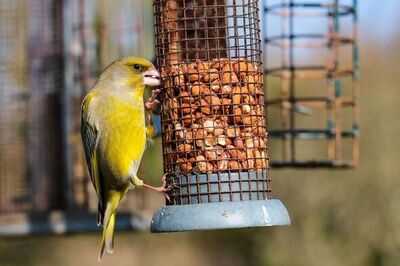
UK households that routinely feed wild birds in their gardens are being urged by the Royal Society for the Protection of Birds (RSPB) to 'pause'. The guidance aims to limit the transmission of an infection that has dramatically depleted certain species' populations.
The RSPB advises halting the use of seed and peanut feeders from May 1 to October 31. This action can help combat the spread of trichomonosis, a parasite that has significantly diminished the numbers of greenfinches and chaffinches.
During May through October, excessive bird congregation at feeders can accelerate the transmission of the disease. The RSPB states it is preferable to provide only modest quantities of mealworms or suet while maintaining impeccable hygiene standards, reports the Mirror.
On its website, the RSPB states: "We can help stop the spread of disease among garden birds by making two simple shifts to how we feed birds. Put simply: Feed seasonally. Feed safely.
"During summer and autumn, there's a higher risk of disease spreading. But it's also when there are more natural foods available to birds, such as seeds and insects."
From May 1 to October 31, the charity advises people should "pause filling bird feeders with seeds or peanuts". Nevertheless, it notes: "You can continue to offer small amounts of mealworms, fatballs or suet."
Energy-dense foods such as fat balls, suet, and mealworms are less prone to harbouring the disease and assist nesting birds. This guidance follows extensive studies demonstrating that feeding during warmer months significantly accelerates disease transmission.
Feeding can resume as normal from November through to April. Between November 1 and April 30, the RSPB states: "You can feed your birds a full range of bird foods, including seeds and peanuts."
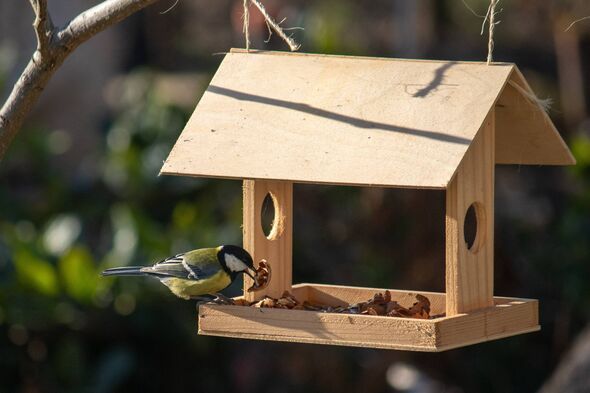
To minimise the risk of infection, the RSPB advises washing bird feeders weekly and rotating their positions around the garden to prevent the accumulation of dirty waste. It is advisable to avoid bird tables and tray feeders, as they can harbour significant amounts of bacteria. Additionally, remember to clean bird baths weekly and replenish the water daily with fresh tap water.
The RSPB also says: "Avoid putting feeders under places where birds roost, such as under trees. This will help to avoid contamination through droppings. Keep food as dry as possible. Damp food allows disease to survive and spread. Choose feeders that prevent rain getting in and limit condensation."
 What is trichomonosis, and which birds are at risk?
Garden bird trichomonosis is an illness caused by the microscopic parasite Trichomonas gallinae. This parasite produces lesions in the throat, making it difficult for birds to swallow food and water.
Consequently, afflicted birds frequently lose weight and may even perish from starvation. It is thought that this parasite is transmitted through regurgitated food and fresh saliva. This can occur directly, such as when parent birds feed their chicks, or indirectly, when birds consume food or drink water contaminated with pathogens.
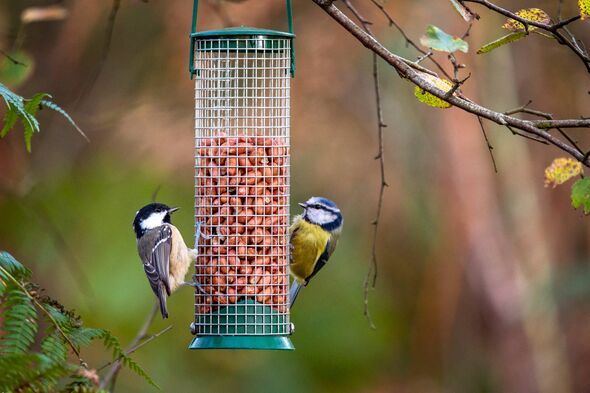
Trichomonosis has been recorded across numerous other species of garden birds, though finches appear to be especially susceptible, according to the RSPB. Research indicates that both Chaffinch and Greenfinch are less likely to thrive in suburban environments than in rural areas, suggesting that gardens and supplementary feeding may be contributing factors.
What are the signs of trichomonosis in garden birds?Beyond displaying typical symptoms of illness, such as lethargy and ruffled feathers, affected birds may drool, regurgitate, have difficulty swallowing, or breathe heavily. It is frequently observed that finches develop wet, matted feathers around their face and have food encrusted on their beaks.
-
US sanctions China-based crude terminal operator of trading Iran oil

-
Car Rams Into Indore's Palasia Police Station Wall As High-Speed Turn Goes Wrong

-
ITV Emmerdale evil Dr Todd's spouse's identity 'unveiled' and it's not Maya

-
Real Estate Businessman Commits Suicide Amid IPL Betting Losses

-
Shocking Incident in Chhatarpur: Father Attempts to Burn His Children