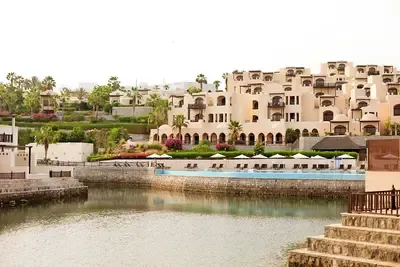
Ras Al Khaimah’s real estate is increasingly being shaped by tourism performance, hospitality expansion, and the emirate’s steady repositioning as a global leisure destination. The emirate recorded a second consecutive year of record tourism in 2025, welcoming 1.35 million overnight visitors — a 6% year-on-year increase alongside a 12% rise in tourism revenues. Occupancy levels are holding strong too, hovering around 72%, while revenue per available room continues to grow, signalling both demand and pricing power in the hospitality sector.
This sustained growth is being actively supported by new hotel openings, expanded air connectivity, and large-scale destination developments — from lifestyle resorts to integrated tourism projects — all of which are feeding directly into the property market. As Ras Al Khaimah pushes towards a long-term target of over 3.5 million annual visitors by 2030, hospitality is becoming a structural driver of real estate demand rather than just a complementary sector.
What’s emerging is a more integrated ecosystem, where hotels, branded residences, and short-term rental models are increasingly overlapping. New hospitality assets are not just attracting tourists, they are shaping investor behaviour, influencing pricing benchmarks, and creating new formats of ownership. In destinations like Al Marjan Island and Mina Al Arab, this convergence is especially visible, with hotel-backed developments driving interest in serviced apartments, branded living, and income-generating second homes.
This momentum is now being reinforced by forward-looking market signals. According to the latest RAK Investment Pulse report by Stirling Hospitality Advisors, Ras Al Khaimah is entering a new phase of its tourism and investment cycle, with hotel demand forecast to outpace supply from 2027 onwards — creating a clear and time-sensitive opportunity for investors. The report highlights that 2025 marked a structural shift for the emirate’s hospitality market, with growth increasingly driven by higher-value, international demand.
Ras Al Khaimah ranked among the top-performing hotel markets in the region in terms of RevPAR, placing third in the UAE and fifth across the Gulf. At the same time, development momentum remains strong, with more than 2,000 hotel keys announced in 2025 and around 2,500 expected to be delivered by 2027 — much of it concentrated in the luxury segment, where five-star properties already account for more than half of existing inventory.
Tatiana Veller, Managing Director at Stirling Hospitality Advisors, says the market is moving into a more structured phase. “Ras Al Khaimah has reached a stage where the story is no longer just about growth, but about structure, timing, and long-term value creation. What we are seeing now is a market moving into a more disciplined phase, where revenue quality is improving, supply is becoming more defined, and investors have clearer visibility on where and when opportunities will emerge.”
Hospitality as a signal of demand
The relationship between hospitality and real estate in Ras Al Khaimah is becoming increasingly interdependent, with hotel expansion now acting as a forward-looking indicator of where property demand is likely to concentrate. As new resorts, lifestyle destinations, and tourism-led infrastructure continue to come online, they are actively shaping investor confidence and market direction.
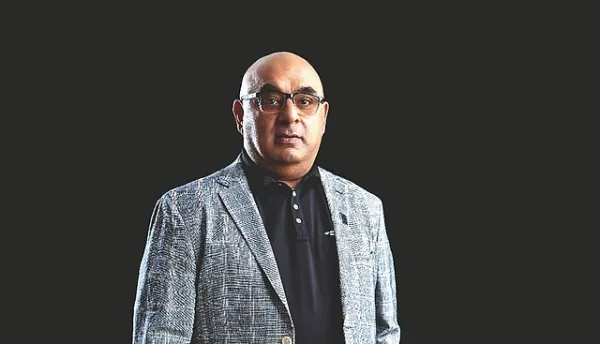
JS Anand, Founder and CEO of LEVA Hotels.
JS Anand, Founder and CEO of LEVA Hotels, explains that the impact is already visible on the ground.
“The expansion of hospitality in Ras Al Khaimah is having a clear influence on real estate demand. As new hotels, resorts, and tourism infrastructure come online, they signal that the area is attracting visitors and investment, which in turn makes it more appealing to property buyers and investors,” he says.
This signalling effect is critical in a market like Ras Al Khaimah, where large-scale, master-planned developments are still unfolding. Unlike more mature real estate markets, where pricing trends often lead sentiment, here it is hospitality-led activation — the opening of a resort, the launch of a beach destination, or the introduction of new tourism experiences — that often sets the pace for property interest and capital inflows. “The presence of strong hospitality infrastructure is often seen as a reliable indicator of where demand is likely to rise and where property values can be sustained over time,” Anand adds.
The premium of proximity
Hotel-led destination development is increasingly redefining how residential value is created and sustained in Ras Al Khaimah, particularly in emerging coastal and mixed-use zones.
Anand points to the tangible impact this integration is having on both perception and pricing. “Hotel-led developments play a significant role in shaping the appeal and value of surrounding residential communities. By providing high-quality amenities, services, and lifestyle experiences, these projects enhance the attractiveness of nearby properties and create a sense of vibrancy and activity in the area,” he says.
This “activation effect” is particularly relevant in destinations that are still building their identity. The presence of a well-positioned hotel or resort introduces immediate lifestyle credibility, from F&B and wellness offerings to managed services and branded experiences — all of which feed into how residential units are marketed and valued. For buyers, especially international investors and second-home seekers, this reduces perceived risk by aligning the asset with an established hospitality standard.
As Anand notes, this uplift is not just short-term. “This improved perception often allows developers and investors to command stronger pricing while also protecting long-term property value. When hotels and resorts are integrated thoughtfully into a destination, they strengthen the overall ecosystem, making residential and mixed-use developments more desirable for both homeowners and investors.”
From visitor demand to lifestyle-led investment
Tourism growth in Ras Al Khaimah is increasingly translating into tangible real estate demand, particularly across second homes, short-term rentals, and branded residential formats. As visitor volumes rise and the emirate continues to position itself as a lifestyle-driven destination, a growing segment of travellers is beginning to transition from short stays to longer-term ownership and investment decisions.
Anand notes that this conversion from visitor to investor is a natural progression in maturing tourism markets. “The rise in tourism in Ras Al Khaimah is translating directly into higher demand for second homes, short-term rentals, and branded residences. Visitors who experience the region’s hospitality offerings often consider returning or investing in property nearby,” he says.
The indicators shaping real estate outlook
In Ras Al Khaimah, investors are increasingly treating hospitality expansion as a forward-looking indicator of real estate potential, reflecting how closely tourism performance is now tied to property market fundamentals. Attention is shifting towards where hotels are opening, how they are performing, and what that signals about future demand. Anand says this correlation is becoming more explicit in investor decision-making. “Yes, investors are increasingly using hospitality growth as a signal of real estate potential in the emirate. The confidence is driven by clear market trends, including rising visitor numbers, successful hotel operations, and the development of lifestyle-led residential communities,” he explains.
For investors, these indicators offer a more dynamic way of assessing risk and opportunity. Hospitality performance provides real-time insight into footfall, spending behaviour, and destination appeal — all of which feed directly into rental demand and long-term capital appreciation. “These factors demonstrate that the destination is evolving and that demand for property is likely to remain strong,” Anand adds. “Investors recognize that areas with active hospitality development tend to attract attention from both end-users and other developers, creating a positive cycle that supports long-term growth and stability in the real estate market.”
-
Bangladesh MP Raises Concern Over Potential BJP Win In West Bengal: 'If Exit Polls...'

-
Did Elon Musk Really Earn Rs 1,50,57,38,42,00,000 In 2025? Here’s The Truth

-
ICSE ISC Result 2026: Jamshedpur’s Shambhavi Tiwari Tops Nation With Perfect Score

-
Andhra Man Dies By Suicide In US Amid Job Struggles; Debt-Ridden Father Awaits Body

-
'Return Gift After Polls': AAP's Atishi Slams BJP Over Commercial LPG Price Hike