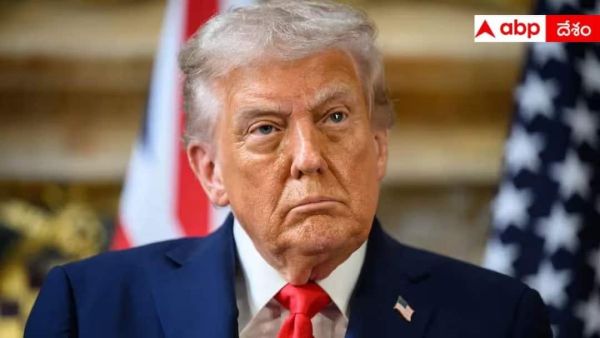
Iran War Termination: The Donald Trump administration is arguing that its military conflict with Iran has effectively ended, citing an early April ceasefire as grounds to avoid seeking congressional approval for continued operations. The stance has ignited a sharp debate in Washington over whether the White House is stretching legal interpretations to maintain strategic flexibility. Officials say the cessation of direct hostilities means the clock tied to the War Powers Resolution no longer applies in the same way, even as military pressure tactics remain in place.
Ceasefire Claim At Center Of Legal Argument
Defense Secretary Pete Hegseth defended the administration’s position during Senate testimony, stating that the ceasefire has “paused” active fighting. According to this interpretation, the requirement to obtain congressional authorization for military engagement beyond 60 days has not been triggered, as per a report on AP.
An administration official, speaking anonymously, reinforced this view, saying “the hostilities that began on February 28 have concluded.” They added that since April 7, when the ceasefire took effect, there have been no exchanges of fire between US and Iranian forces.
Ongoing Military Pressure Despite Truce
Despite the halt in direct combat, tensions remain high. Iran continues to restrict movement through the Strait of Hormuz, while US naval forces are maintaining a blockade aimed at curbing Iranian oil exports.
This dual-track approach, declaring an end to hostilities while sustaining economic and military pressure, has raised questions among lawmakers about whether the conflict has truly ended in any meaningful sense.
Democrats Challenge Interpretation
Democratic lawmakers have pushed back strongly, arguing that the administration’s reading of the law is flawed. Tim Kaine questioned the claim that a ceasefire resets or suspends the 60-day limit, insisting that the statute does not provide such an exception.
Under the War Powers Resolution, the president faced a May 1 deadline to either secure congressional authorization or wind down military operations. While the law allows for a 30-day extension, critics say the administration is already on uncertain legal footing.
Conflict Origins, Political Stakes
The confrontation began on February 28 with US and Israeli strikes on Iranian targets, triggering retaliatory attacks and disruptions to global shipping routes. Trump formally notified Congress on March 2, setting the stage for the current legal and political showdown.
Efforts to challenge the administration face significant hurdles. Even if the Senate passes a resolution, it would require approval from the House and could ultimately be vetoed by Trump. Historically, attempts to enforce the War Powers Resolution have struggled, with courts often avoiding intervention and leaving disputes to political negotiation.
-
Hyderabad techie duped of Rs 77 lakh in online trading scam

-
USCIS flags 100 H-1B cases linked to DEI roles
-
Commercial LPG cylinder price hiked

-
Mamata Flags 'Outsider From Gujarat' At TMC-BJP Clash Outside Bhabanipur Strongroom; Who Is He?

-
BSE, NSE Shut Today For Maharashtra Day; MCX Trading Resumes At 5 PM