Why Adhik Maas Feels So Spiritually Powerful
My Life XP | April 30, 2026 12:39 PM CST
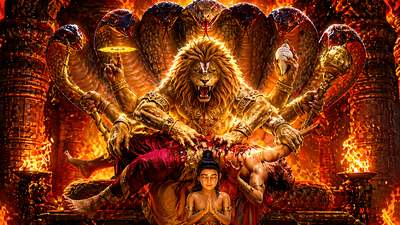
Sometimes, ancient traditions feel like simple stories until you look a little closer. Then they start to reveal something deeper: systems built with surprising logic and precision. Adhik Maas is one such mystery. An “extra month” that appears every few years, not by accident, but as a way to quietly balance the calendar of time. But why was it designed this way? And is it only tradition or does it hide a deeper understanding of astronomy, cycles, and time correction that we are still trying to fully appreciate today?
The Hidden Science of Time Correction

Ancient Indian timekeeping was based on both lunar and solar movements. A lunar year is shorter than a solar year, creating a gap over time. To balance this difference, an extra month Adhik Maas is added every few years. This is not random, but a calculated correction system. It ensures festivals, seasons, and cycles remain aligned. What looks spiritual also carries deep astronomical understanding.
Why the System Feels Spiritually Special

Because Adhik Maas doesn’t fit into regular cycles, it is seen as a “pause” period. Many traditions consider it a time for reflection and spiritual focus. This uniqueness makes it stand out in the calendar. Instead of regular activity, people often focus on simplicity, devotion, and inner balance. It becomes less about external timing and more about internal reset.
The Balance Between Two Time SystemsThe solar year and lunar year do not match perfectly. This difference gradually creates a gap in calendars. Adhik Maas acts as a correction tool to realign both systems. Without it, seasonal festivals would slowly shift out of place over time. This shows how deeply structured ancient time systems were, combining observation and precision.
Why It Repeats Every Few YearsThe extra month doesn’t appear every year. It follows a cycle based on accumulated time difference between lunar and solar calculations. Once the gap becomes significant, an entire month is added. This ensures long-term balance. It is not random—it is mathematical correction applied over time.
What Makes It Meaningful TodayEven today, Adhik Maas is seen as a reminder of slowing down. In a fast-moving world, this “extra time” encourages reflection and reset. Whether viewed scientifically or spiritually, it represents balance between speed and stillness, action and pause. That’s what makes it relevant even now.
Unlock insightful tips and inspiration on personal growth, productivity, and well-being. Stay motivated and updated with the latest at My Life XP.
Frequently Asked Questions (FAQs) Q1. What is Adhik Maas?
Adhik Maas is an “extra month” added in the Hindu calendar every few years to balance the difference between lunar and solar cycles. It helps keep time and festivals aligned.
Q2. Why does Adhik Maas occur?
It occurs because the lunar year is shorter than the solar year. Over time, this small gap is corrected by adding an extra month.
Q3. Is Adhik Maas scientifically based?
Yes, it is linked to astronomical calculations of lunar and solar movements, ensuring long-term calendar accuracy.
Q4. Why is Adhik Maas considered special spiritually?
Traditionally, it is seen as a sacred period for reflection, devotion, and slowing down from regular worldly activiti
Q5. How often does Adhik Maas come?
It usually appears every 2.5 to 3 years, depending on the alignment of lunar and solar cycles.
The Hidden Science of Time Correction
Balancing lunar and solar cycles
Ancient Indian timekeeping was based on both lunar and solar movements. A lunar year is shorter than a solar year, creating a gap over time. To balance this difference, an extra month Adhik Maas is added every few years. This is not random, but a calculated correction system. It ensures festivals, seasons, and cycles remain aligned. What looks spiritual also carries deep astronomical understanding.
Why the System Feels Spiritually Special
A pause in the traditional cycle
Because Adhik Maas doesn’t fit into regular cycles, it is seen as a “pause” period. Many traditions consider it a time for reflection and spiritual focus. This uniqueness makes it stand out in the calendar. Instead of regular activity, people often focus on simplicity, devotion, and inner balance. It becomes less about external timing and more about internal reset.
The Balance Between Two Time SystemsThe solar year and lunar year do not match perfectly. This difference gradually creates a gap in calendars. Adhik Maas acts as a correction tool to realign both systems. Without it, seasonal festivals would slowly shift out of place over time. This shows how deeply structured ancient time systems were, combining observation and precision.
Why It Repeats Every Few YearsThe extra month doesn’t appear every year. It follows a cycle based on accumulated time difference between lunar and solar calculations. Once the gap becomes significant, an entire month is added. This ensures long-term balance. It is not random—it is mathematical correction applied over time.
What Makes It Meaningful TodayEven today, Adhik Maas is seen as a reminder of slowing down. In a fast-moving world, this “extra time” encourages reflection and reset. Whether viewed scientifically or spiritually, it represents balance between speed and stillness, action and pause. That’s what makes it relevant even now.
Unlock insightful tips and inspiration on personal growth, productivity, and well-being. Stay motivated and updated with the latest at My Life XP.
Frequently Asked Questions (FAQs) Q1. What is Adhik Maas?
Adhik Maas is an “extra month” added in the Hindu calendar every few years to balance the difference between lunar and solar cycles. It helps keep time and festivals aligned.
Q2. Why does Adhik Maas occur?
It occurs because the lunar year is shorter than the solar year. Over time, this small gap is corrected by adding an extra month.
Q3. Is Adhik Maas scientifically based?
Yes, it is linked to astronomical calculations of lunar and solar movements, ensuring long-term calendar accuracy.
Q4. Why is Adhik Maas considered special spiritually?
Traditionally, it is seen as a sacred period for reflection, devotion, and slowing down from regular worldly activiti
Q5. How often does Adhik Maas come?
It usually appears every 2.5 to 3 years, depending on the alignment of lunar and solar cycles.
READ NEXT
-
Aam, dahi, jeera soda: What India orders when the heat kicks in

-
Gautam Adani unveils three-pillar growth strategy; announces Adani Training Academy for enhanced workforce skill on International Labour Day 2026

-
Banks not getting expected benefits from AI due to outdated systems: McKinsey

-
Meta raises $25B in debt to fund AI expansion

-
Pune Times Fashion Week 2026 Concludes: A Spectacular Fusion of Heritage and High-Octane Style