Long before subscription products or refills as a business model, King C. Gillette designed his business model based on a routine that millions of men were familiar with. In the last years of the 19th century, he found a way to capitalize on a common problem: shaving required time, patience, and attention.
At that point, traditional razors needed to be sharpened frequently, making a tedious activity even more complicated. Gillette did more than invent a new razor; he invented a different experience.
This idea addressed a problem Gillette was encountering himself. Using his Star Safety Razor, he began considering a disposable blade razor with a thin blade designed to be thrown away when it gets dull. Seems logical now. Back then, it was quite the paradigm shift.
Rather than asking customers to keep blades forever, he simply had one question: “What if the blade was supposed to be disposable?”
That ease of use is what made the safety razor seem modern. The person using it no longer had to have any special tool or skill. The user could replace the blade whenever it got blunt.
It was an easy-to-use product.
Gillette has become synonymous with the famous saying, “Give ‘em the razor; sell ‘em the blades.” But as reported in the BMJ, there’s no evidence to prove that Gillette said this phrase. Nonetheless, the strategy has remained so closely tied to his name.
All this stemmed from just resolving an everyday problem.
This had obvious implications for consumers, but there were also commercial implications. Combining convenience with the need to keep coming back again and again was a formula for longevity. And Gillette’s success has inspired generations of companies ever since.
Disposable razors reflect Gillette’s innovation today.
Rather, it started with an ordinary problem, a realization, and a re-evaluation of assumptions made by everyone else. Lemelson-MIT and Smithsonian history show us that the creation happened slowly through a series of such moments of business and user enlightenment. It might have been those factors that have contributed to the invention’s endurance even today.
Big inventions begin with little details. For Gillette’s innovation, that detail began as a question about whether a blade had to be eternal. From a seemingly trivial notion, there came the transformation of a daily ritual, the launch of one of the biggest brands in American history, and the influence on the world of consumer goods.
More importantly, Gillette’s story shows us that the best inventions sometimes solve very simple problems.
Those that don’t complicate people’s lives but make them easier in some way.
At that point, traditional razors needed to be sharpened frequently, making a tedious activity even more complicated. Gillette did more than invent a new razor; he invented a different experience.
A simple suggestion that sparked a big idea
As cited by the Lemelson-MIT Program, a key factor was the advice Gillette received on disposable products, an idea that led to repeat business. This stuck in Gillette’s head. He began to look at invention not in terms of creating a one-off but rather a product that customers would come back for repeatedly.This idea addressed a problem Gillette was encountering himself. Using his Star Safety Razor, he began considering a disposable blade razor with a thin blade designed to be thrown away when it gets dull. Seems logical now. Back then, it was quite the paradigm shift.
Rather than asking customers to keep blades forever, he simply had one question: “What if the blade was supposed to be disposable?”
Solving a daily annoyance
This notion became the basis for the safety razor. As explained by the Lemelson Center at the Smithsonian Institution, Gillette’s patent stressed that there was to be no honing or stropping of the blades, hence no “annoyance and expense.” That is a revealing way to describe what the razor is all about. It was not just for a better shave but for making life easier.That ease of use is what made the safety razor seem modern. The person using it no longer had to have any special tool or skill. The user could replace the blade whenever it got blunt.
It was an easy-to-use product.
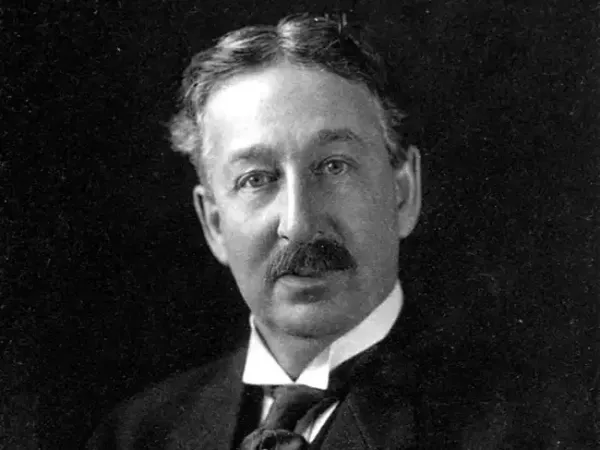
Image Credit: Wikimedia Commons| King C. Gilette
More than an invention, a business model
Gillette had the brilliance of matching product design with regular repeat purchase. The replaceable blade was no addition to the product itself, but its very essence. Purchase the razor once, but keep coming back for the blades. Now it has become so commonplace that it seems trivial. But back then, it paved the way for the business strategy adopted by many other industries in the future.Gillette has become synonymous with the famous saying, “Give ‘em the razor; sell ‘em the blades.” But as reported in the BMJ, there’s no evidence to prove that Gillette said this phrase. Nonetheless, the strategy has remained so closely tied to his name.
All this stemmed from just resolving an everyday problem.
Why the safety razor mattered
Many products have benefited from innovative developments. But fewer have redefined entire categories. Gillette’s safety razor altered the paradigm of what a razor was. It transformed shaving from an elaborate process to one that relied on replacing parts.This had obvious implications for consumers, but there were also commercial implications. Combining convenience with the need to keep coming back again and again was a formula for longevity. And Gillette’s success has inspired generations of companies ever since.
Disposable razors reflect Gillette’s innovation today.
A lesson in everyday innovation
The appeal of Gillette’s invention comes down to its humble beginnings. It did not start off in a moment of inspiration or discovery in a laboratory setting.Rather, it started with an ordinary problem, a realization, and a re-evaluation of assumptions made by everyone else. Lemelson-MIT and Smithsonian history show us that the creation happened slowly through a series of such moments of business and user enlightenment. It might have been those factors that have contributed to the invention’s endurance even today.
Big inventions begin with little details. For Gillette’s innovation, that detail began as a question about whether a blade had to be eternal. From a seemingly trivial notion, there came the transformation of a daily ritual, the launch of one of the biggest brands in American history, and the influence on the world of consumer goods.
More importantly, Gillette’s story shows us that the best inventions sometimes solve very simple problems.
Those that don’t complicate people’s lives but make them easier in some way.