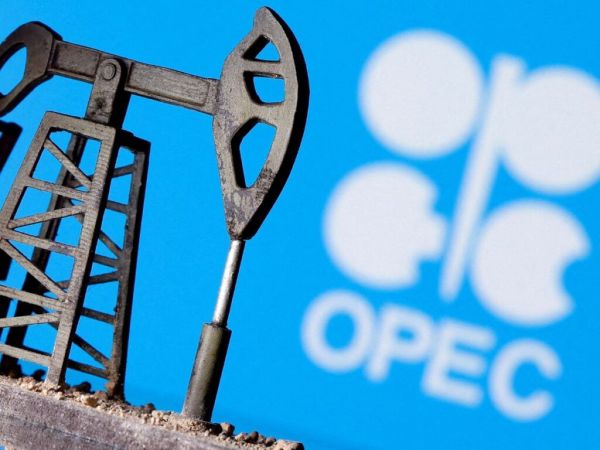
The UAE announced on Tuesday, April 28, its exit from OPEC and OPEC+, citing a renewed focus on its “national interests.” The move is a major setback for the oil-producing alliance at a time when the ongoing US-Israel conflict with Iran has triggered a historic energy shock and added volatility to the global economy. The UAE’s exit will take effect on May 1.
In a statement posted on X, UAE Energy Minister Suhail Al Mazrouei said the decision reflects evolving sector policies and aligns with long-term market fundamentals, signalling a strategic shift in the country’s approach to oil production and energy policy.
Oil Prices Slip After Multi-Day Rally
Oil prices slipped slightly on Wednesday after a strong multi-day rally, as investors reacted to reports of the UAE’s surprise decision to exit OPEC and OPEC+. The development raised expectations of a potential increase in future supply, weighing on sentiment.
However, ongoing supply risks from the stalled Iran conflict continued to support the broader market, limiting deeper losses.
Brent Crude Futures Show Marginal Decline
Brent crude futures for June fell by 1 cent to $111.25 a barrel by 0413 GMT after rising for seven consecutive sessions. The June contract is set to expire on Thursday, while the more actively traded July contract declined 28 cents to $104.12.
Analysts See Potential Supply Boost from UAE Move
Analysts said the UAE’s reported move could be influencing prices. According to LSEG senior analyst Anh Pham, the exit signals a potentially stronger supply outlook, as the country would no longer be bound by OPEC production quotas, which may allow higher output in the future.
“However, this effect is not immediate, as the incremental barrels may not be deliverable in the near term due to the ongoing Hormuz blockade,” he added.
“So while prices are down slightly, this appears to be more of a correction from earlier gains, with Brent still holding at elevated levels around $110 per barrel.”
Geopolitical Tensions Escalate Over Iran Conflict
U.S. President Donald Trump has told aides to prepare for an extended blockade of Iran, the Wall Street Journal said on Tuesday, citing U.S. officials.
Trump is opting to keep squeezing Iran’s economy and oil exports by blocking shipping traffic with its ports, it added.
Despite a ceasefire in the U.S. – Israeli war with Iran, the conflict is deadlocked as both sides seek a formal end to the fighting.
Strait of Hormuz Shutdown Disrupts Global Supply
Iran has shut the Strait of Hormuz, a conduit for about 20% of global oil and LNG supplies, and the United States blockaded Iranian ports.
“The recent rise in oil prices has been driven by the Strait blockade,” said Yang An, an analyst at Haitong Futures. “If Trump is prepared to extend the blockade, supply disruptions would worsen further and continue to push oil prices higher.”
Diplomatic Standoff Between US and Iran Continues
The U.S. is pressing Iran to end what it says is a nuclear weapons programme, while Iran wants some form of reparations for the latest round of fighting, an easing of economic sanctions and some form of control over the Strait of Hormuz.
Crude Inventories Fall, Supporting Price Floor
The Hormuz shutdown is prompting pulls from global inventories, with market sources saying late on Tuesday the American Petroleum Institute reported U.S. crude oil inventories fell for a second week.
Crude stocks fell by 1.79 million barrels in the week ended April 24, the sources said. Gasoline inventories fell by 8.47 million barrels, while distillate inventories fell by 2.60 million barrels.
(With inputs from Reuters)
The post Oil Prices Slip As UAE Exits OPEC And OPEC+ Oil Production Groups Amid Global Energy Crisis appeared first on NewsX.
-
RBI Vacancy 2026: How to Become a Grade B Officer at the RBI? New Recruitment Notification Released..

-
PAN Card Rule Changes: Several major changes are set to take place regarding PAN cards starting next month; find out more..

-
From Netflix to the Gym… Everything Becomes Cheaper: Save ₹10,000 a Year with These 5 Credit Cards

-
RBI Relief: New Credit Card Rules Ease Bill Payments, No Immediate Penalties for Late Dues

-
Why Is It Essential to Switch on Airplane Mode During Flights? You'll Be Surprised to Learn the Real Reason!