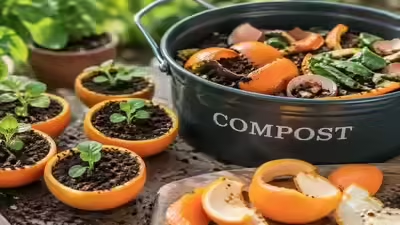
Orange Peels: From Kitchen Waste to Garden Gold
Oranges are a staple in many households, loved for their refreshing taste and high vitamin content. But once the fruit is eaten, the peel is usually thrown away without a second thought. Interestingly, orange peels make up nearly 40–50% of the fruit’s weight and are often treated as waste, despite their potential benefits.
Today, gardeners and researchers are recognizing that these peels can be reused in simple, eco-friendly ways to improve plant health and reduce waste.
Why Orange Peels Are Good for Plants
Orange peels are more than just leftovers—they’re packed with nutrients and natural compounds.
- Contain nitrogen, phosphorus, and potassium (NPK)
- Improve soil quality as they decompose
- Release nutrients slowly into the soil
- Contain d-limonene, a natural insect-repelling compound
This makes them a sustainable alternative to chemical fertilizers and pesticides.
1. Make Nutrient-Rich Compost
One of the easiest ways to use orange peels is in composting.
How to Use:
- Dry the peels completely
- Chop or grind into small pieces
- Mix with other compost materials
Benefits:
- Speeds up decomposition
- Enriches soil with essential nutrients
Tip: Use in moderation, as too many citrus peels can increase soil acidity.
2. Natural Ant Repellent
Orange peels can help keep ants away from your garden.
How to Use:
- Dry and crush peels into powder
- Sprinkle around plant beds and ant entry points
Why It Works:
The citrus compound d-limonene disrupts ants and repels them naturally.
Note: Reapply after rain for best results.
3. Biodegradable Seed Starters
Orange peels can double as eco-friendly planting pots.
How to Use:
- Hollow out half an orange peel
- Fill with soil and plant seeds
- Place in sunlight and water regularly
Benefits:
- Provides nutrients as it decomposes
- Can be planted directly into soil without disturbing roots
4. DIY Spray for Aphids
Aphids are a common garden pest, and orange peels offer a natural solution.
How to Make Spray:
- Boil orange peels in water
- Let it cool and strain
- Add a few drops of dish soap
- Spray on leaves (especially undersides)
Benefits:
- Repels pests naturally
- Avoids harmful chemicals
A Simple Step Towards Sustainable Gardening
Reusing orange peels is a small but effective way to make your gardening routine more eco-friendly.
- Reduces household waste
- Improves soil health
- Helps manage pests naturally
Conclusion
Orange peels may seem like waste, but they hold surprising value for your garden. From composting to pest control, these simple methods can improve plant health while supporting sustainable living.