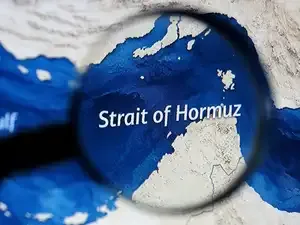
Russian superyacht Strait of Hormuz: 20% global oil route breached as Nord yacht defies blockade tensions
Russian superyacht crosses Strait of Hormuz during blockade: The Russian superyacht Strait of Hormuz story is not just about a luxury vessel. It signals a deeper geopolitical shift. A $500 million yacht, Nord, linked to Alexey Mordashov, successfully crossed one of the world’s most volatile chokepoints despite an active blockade. Nearly 20% of global oil and LNG flows through the Strait of Hormuz, making any movement here globally significant. The yacht’s passage answers a critical question early: yes, private vessels can still cross—but only under rare and risky conditions. This rare transit comes as oil prices spike above $100 per barrel and tensions between Iran and the United States intensify. The movement of Nord is not routine maritime activity. It reflects power, influence, and gaps in enforcement at a time when global shipping traffic remains severely reduced.
The Russian superyacht Strait of Hormuz transit also reveals how elite assets operate differently from commercial shipping. While tankers hesitate, this vessel moved from Dubai to Muscat over a tense weekend. The passage highlights both the fragility and selectivity of maritime restrictions. It raises a sharper question: who really controls one of the world’s most critical trade arteries?
Shipping traffic has dropped sharply since tensions escalated. Many commercial operators avoid the route entirely. Insurance costs have surged. Risk premiums now dominate shipping decisions. Against this backdrop, the yacht’s successful journey stands out. It shows that movement is still possible—but not equally accessible.
This disparity highlights a layered maritime system. Large corporations and sanctioned individuals often operate through complex legal and logistical frameworks. These structures allow selective mobility even during conflict. The Russian superyacht Strait of Hormuz story becomes a symbol of unequal access in global trade routes.
Vladimir Putin’s growing ties with Iran may also shape maritime dynamics. Diplomatic engagement between Moscow and Tehran has intensified. This evolving relationship could indirectly ease movement for Russian-linked assets in contested waters.
Additionally, Nord is not officially registered under Mordashov’s name. Ownership structures often involve intermediaries, making sanctions enforcement more complex. This legal grey zone allows vessels like Nord to navigate restrictions that would otherwise halt movement.
The Russian superyacht Strait of Hormuz transit, therefore, reflects not just maritime navigation but strategic positioning within global power networks.
The Russian superyacht Strait of Hormuz episode unfolds amid escalating tensions between Iran and the United States. Washington’s blockade targeting Iranian ports aims to pressure Tehran strategically. In response, Iran has restricted access to the waterway, creating a standoff with global consequences.
Iran insists that reopening the strait depends on broader geopolitical negotiations. Meanwhile, military presence in the region continues to rise. The situation remains fragile, with any miscalculation carrying significant risks.
Within this context, the yacht’s passage becomes more than an isolated event. It highlights inconsistencies in enforcement and the limits of unilateral control. The Russian superyacht Strait of Hormuz narrative underscores how geopolitical alliances can reshape operational realities on the ground—or in this case, at sea.
The Russian superyacht Strait of Hormuz crossing happened due to a mix of legal gaps and geopolitical alignment. The yacht Nord, linked to Alexey Mordashov, is not directly registered under his name, which complicates sanctions enforcement. At the same time, rising cooperation between Russia and Iran likely reduced operational barriers. This combination allowed selective movement even while most commercial vessels avoided the route.
Q2. Will more ships risk passing through now?
The Russian superyacht Strait of Hormuz event does not mean the route is safe for all vessels. Most global shipping companies still see the Strait of Hormuz as high-risk due to military tensions and rising insurance costs. However, this incident signals that certain vessels with political backing or complex ownership structures may attempt crossings. It suggests a shift where access depends less on rules and more on influence and strategic positioning.
The Russian superyacht Strait of Hormuz transit also reveals how elite assets operate differently from commercial shipping. While tankers hesitate, this vessel moved from Dubai to Muscat over a tense weekend. The passage highlights both the fragility and selectivity of maritime restrictions. It raises a sharper question: who really controls one of the world’s most critical trade arteries?
Russian superyacht crosses Strait of Hormuz blockade: how a $500M vessel tied to Alexey Mordashov quietly exposed cracks in global control
The Russian superyacht Strait of Hormuz transit comes at a moment when global energy markets are already strained. The waterway handles roughly a fifth of the world’s oil supply. Even minor disruptions send shockwaves across economies. Brent crude recently surged to around $109 per barrel, reflecting fears of prolonged instability.Shipping traffic has dropped sharply since tensions escalated. Many commercial operators avoid the route entirely. Insurance costs have surged. Risk premiums now dominate shipping decisions. Against this backdrop, the yacht’s successful journey stands out. It shows that movement is still possible—but not equally accessible.
This disparity highlights a layered maritime system. Large corporations and sanctioned individuals often operate through complex legal and logistical frameworks. These structures allow selective mobility even during conflict. The Russian superyacht Strait of Hormuz story becomes a symbol of unequal access in global trade routes.
How did Nord manage the Russian superyacht Strait of Hormuz transit during blockade?
The exact mechanics behind the Russian superyacht Strait of Hormuz crossing remain unclear. However, several factors likely played a role. First, private yachts operate under different scrutiny levels compared to oil tankers. Second, geopolitical alignments influence enforcement intensity.Vladimir Putin’s growing ties with Iran may also shape maritime dynamics. Diplomatic engagement between Moscow and Tehran has intensified. This evolving relationship could indirectly ease movement for Russian-linked assets in contested waters.
Additionally, Nord is not officially registered under Mordashov’s name. Ownership structures often involve intermediaries, making sanctions enforcement more complex. This legal grey zone allows vessels like Nord to navigate restrictions that would otherwise halt movement.
The Russian superyacht Strait of Hormuz transit, therefore, reflects not just maritime navigation but strategic positioning within global power networks.
The Russian superyacht Strait of Hormuz episode unfolds amid escalating tensions between Iran and the United States. Washington’s blockade targeting Iranian ports aims to pressure Tehran strategically. In response, Iran has restricted access to the waterway, creating a standoff with global consequences.
Iran insists that reopening the strait depends on broader geopolitical negotiations. Meanwhile, military presence in the region continues to rise. The situation remains fragile, with any miscalculation carrying significant risks.
Within this context, the yacht’s passage becomes more than an isolated event. It highlights inconsistencies in enforcement and the limits of unilateral control. The Russian superyacht Strait of Hormuz narrative underscores how geopolitical alliances can reshape operational realities on the ground—or in this case, at sea.
FAQs:
Q1. How did Nord pass despite the blockade?The Russian superyacht Strait of Hormuz crossing happened due to a mix of legal gaps and geopolitical alignment. The yacht Nord, linked to Alexey Mordashov, is not directly registered under his name, which complicates sanctions enforcement. At the same time, rising cooperation between Russia and Iran likely reduced operational barriers. This combination allowed selective movement even while most commercial vessels avoided the route.
Q2. Will more ships risk passing through now?
The Russian superyacht Strait of Hormuz event does not mean the route is safe for all vessels. Most global shipping companies still see the Strait of Hormuz as high-risk due to military tensions and rising insurance costs. However, this incident signals that certain vessels with political backing or complex ownership structures may attempt crossings. It suggests a shift where access depends less on rules and more on influence and strategic positioning.