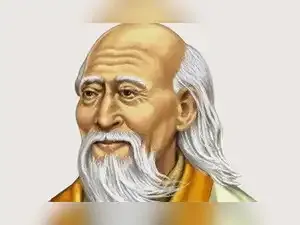
In a fast-moving world where people often chase goals without pausing to reflect, the ancient wisdom of Lao Tzu continues to feel strikingly relevant. Believed to have lived around the 6th century BCE, Lao Tzu is widely regarded as the founding figure of Taoism, a philosophy rooted in simplicity, balance, and alignment with the natural flow of life. His teachings, most famously preserved in the Tao Te Ching, are composed of short, poetic insights that challenge rigid thinking and encourage mindful living. Even today, his words resonate globally, offering clarity in moments of uncertainty and reminding readers to reconsider the paths they follow.
The statement acts as both a warning and an invitation. It warns that ignoring dissatisfaction or discomfort does not change results. At the same time, it invites conscious intervention, the ability to pause, reassess, and redirect before reaching an undesired destination.
In modern terms, the quote applies across all aspects of life. Whether in careers, relationships, or personal habits, people often continue on familiar paths even when those paths no longer serve them. Lao Tzu’s insight suggests that awareness alone is not enough; change requires deliberate action.
Regardless of the ambiguity surrounding his biography, his philosophical influence is undeniable. The Tao Te Ching, attributed to him, is one of the most translated works in world literature and serves as the cornerstone of Taoist thought. Its teachings emphasize living in harmony with the Tao, or “the Way”, a principle that encourages balance, humility, and adaptability.
If life feels out of balance, Taoist philosophy suggests that the solution is not force but awareness, recognizing when one’s path is misaligned and adjusting accordingly. The refusal to change direction, Lao Tzu implies, is a form of resistance that leads to predictable, and often avoidable, outcomes.
It also reflects personal responsibility. While external circumstances may influence direction, the power to change course ultimately lies within the individual. The longer one delays that change, the more certain the outcome becomes.
This idea resonates particularly in today’s culture of self-improvement and mindfulness. From career pivots to lifestyle changes, the concept of “course correction” has become central to modern narratives of growth. Lao Tzu’s insight, though centuries old, aligns seamlessly with these contemporary themes.
What makes this quote enduring is its universality. It does not prescribe a specific path but instead encourages awareness of one’s current trajectory. It asks a simple yet profound question: if nothing changes, where will you end up?
For many, the answer may be uncomfortable. But that discomfort is precisely where transformation begins. Lao Tzu’s philosophy does not demand drastic action; rather, it advocates mindful adjustment, small shifts that gradually alter direction.
In recognizing this, the message becomes clear: change is not just possible, it is necessary when the path ahead no longer aligns with where one truly wants to go.
Quote of the Day Today
“If you do not change direction, you may end up where you are heading.”Quote of the Day Meaning
At first reading, the quote appears simple, almost obvious. But its deeper meaning unfolds with reflection. Lao Tzu is pointing to a fundamental truth: every action, habit, and decision creates a trajectory. If that trajectory is left unchecked, it inevitably leads to a predictable outcome.The statement acts as both a warning and an invitation. It warns that ignoring dissatisfaction or discomfort does not change results. At the same time, it invites conscious intervention, the ability to pause, reassess, and redirect before reaching an undesired destination.
In modern terms, the quote applies across all aspects of life. Whether in careers, relationships, or personal habits, people often continue on familiar paths even when those paths no longer serve them. Lao Tzu’s insight suggests that awareness alone is not enough; change requires deliberate action.
Quote of the Day: The Philosopher Behind the Thought
Though much about Lao Tzu’s life remains uncertain, he is traditionally described as a scholar and archivist in ancient China who later withdrew from public life to pursue a more contemplative existence. His name, meaning “Old Master,” reflects both reverence and mystery. Some historians believe he may have been a composite of multiple thinkers rather than a single historical figure.Regardless of the ambiguity surrounding his biography, his philosophical influence is undeniable. The Tao Te Ching, attributed to him, is one of the most translated works in world literature and serves as the cornerstone of Taoist thought. Its teachings emphasize living in harmony with the Tao, or “the Way”, a principle that encourages balance, humility, and adaptability.
Quote of the Day: A Philosophy Rooted in Flow and Awareness
Central to Lao Tzu’s philosophy is the idea of wu wei, often translated as “non-action” or effortless action. This does not mean passivity but rather acting in alignment with the natural order of things. In this context, the quote about changing direction becomes even more meaningful.If life feels out of balance, Taoist philosophy suggests that the solution is not force but awareness, recognizing when one’s path is misaligned and adjusting accordingly. The refusal to change direction, Lao Tzu implies, is a form of resistance that leads to predictable, and often avoidable, outcomes.
Why This Quote Still Matters Today
In an era defined by routine and repetition, Lao Tzu’s words offer a moment of pause. Many people find themselves stuck in cycles, jobs that no longer inspire, habits that undermine well-being, or relationships that fail to evolve. The quote challenges this inertia.It also reflects personal responsibility. While external circumstances may influence direction, the power to change course ultimately lies within the individual. The longer one delays that change, the more certain the outcome becomes.
This idea resonates particularly in today’s culture of self-improvement and mindfulness. From career pivots to lifestyle changes, the concept of “course correction” has become central to modern narratives of growth. Lao Tzu’s insight, though centuries old, aligns seamlessly with these contemporary themes.
A Timeless Reminder to Reevaluate
What makes this quote enduring is its universality. It does not prescribe a specific path but instead encourages awareness of one’s current trajectory. It asks a simple yet profound question: if nothing changes, where will you end up?For many, the answer may be uncomfortable. But that discomfort is precisely where transformation begins. Lao Tzu’s philosophy does not demand drastic action; rather, it advocates mindful adjustment, small shifts that gradually alter direction.
In recognizing this, the message becomes clear: change is not just possible, it is necessary when the path ahead no longer aligns with where one truly wants to go.