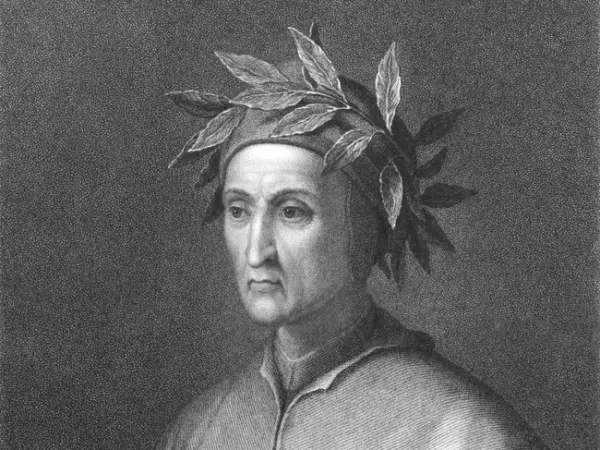
A few lines written centuries ago still manage to cut through modern noise and speak directly to ambition, comfort, and the quiet fear of being forgotten. That is exactly what makes a quote by Dante Alighieri resonate even today. Drawn from one of literature’s most enduring works, his words feel less like poetry and more like a wake-up call, urging people to confront inertia and rethink what it truly means to live a meaningful life.
Dante Alighieri, an Italian poet and writer, once said, “Up on your feet! This is no time to tire! The man who lies asleep will never waken fame, and his desire and all his life drift past him like a dream, and the traces of his memory fade from time like smoke in the air, or ripples on a stream.” While these were not his exact words, which were originally in Italian, this is the rough translation.
The words come from The Divine Comedy, specifically from Inferno, where Dante is guided through the depths of Hell by the Roman poet Virgil. In this moment, Virgil pushes Dante forward as he begins to tire during their difficult journey through the eighth circle. The message is not just about physical endurance but about mental resolve. Progress, especially through hardship, demands persistence. Stopping midway is not an option when the goal is transformation.
Meaning of Dante's quote of the day
At its core, the quote is a stark warning against passivity. Dante is not merely talking about physical sleep but a deeper kind of inaction, the kind where a person delays effort, avoids discomfort, and chooses ease over purpose. The imagery is vivid and deliberate. A life spent this way, he suggests, becomes fleeting and forgettable, like smoke dissolving into air or ripples vanishing on water. Desire remains unfulfilled, not because it was impossible, but because it was never pursued with urgency. The line draws a clear connection between action and legacy, reminding readers that without movement, even the strongest ambitions fade into nothing.
What makes this passage enduring is how easily it translates into modern life. The idea of “idle comfort” has only evolved with time, whether it is procrastination, fear of failure, or settling into routines that feel safe but unfulfilling. Dante’s words cut through all of that, urging a shift from intention to action. They challenge the reader to confront a simple but uncomfortable truth: wanting something is never enough without the willingness to pursue it relentlessly.
His most celebrated work, Divine Comedy, stands as a monumental achievement of the Middle Ages. Originally titled Comedìa and later renamed, the poem takes readers through Hell, Purgatory, and Heaven, blending vivid imagination with deep philosophical and theological reflection. Beyond its narrative brilliance, the work influenced generations of writers, artists, and thinkers across Europe, leaving a lasting mark on Western culture.
Dante’s contributions extended beyond poetry. Through works like De vulgari eloquentia, he defended the use of vernacular language in literature, challenging long-standing traditions. His writing not only elevated Italian as a literary language but also inspired future giants like Petrarch and Giovanni Boccaccio to follow a similar path.
Often called the “father of the Italian language,” Dante’s influence continues to echo through literature and language alike. His innovative use of poetic structures, including the terza rima rhyme scheme, and his ability to merge storytelling with profound ideas, secure his place among the greatest literary figures in history.
Dante Alighieri, an Italian poet and writer, once said, “Up on your feet! This is no time to tire! The man who lies asleep will never waken fame, and his desire and all his life drift past him like a dream, and the traces of his memory fade from time like smoke in the air, or ripples on a stream.” While these were not his exact words, which were originally in Italian, this is the rough translation.
The words come from The Divine Comedy, specifically from Inferno, where Dante is guided through the depths of Hell by the Roman poet Virgil. In this moment, Virgil pushes Dante forward as he begins to tire during their difficult journey through the eighth circle. The message is not just about physical endurance but about mental resolve. Progress, especially through hardship, demands persistence. Stopping midway is not an option when the goal is transformation.
Meaning of Dante's quote of the day
At its core, the quote is a stark warning against passivity. Dante is not merely talking about physical sleep but a deeper kind of inaction, the kind where a person delays effort, avoids discomfort, and chooses ease over purpose. The imagery is vivid and deliberate. A life spent this way, he suggests, becomes fleeting and forgettable, like smoke dissolving into air or ripples vanishing on water. Desire remains unfulfilled, not because it was impossible, but because it was never pursued with urgency. The line draws a clear connection between action and legacy, reminding readers that without movement, even the strongest ambitions fade into nothing.What makes this passage enduring is how easily it translates into modern life. The idea of “idle comfort” has only evolved with time, whether it is procrastination, fear of failure, or settling into routines that feel safe but unfulfilling. Dante’s words cut through all of that, urging a shift from intention to action. They challenge the reader to confront a simple but uncomfortable truth: wanting something is never enough without the willingness to pursue it relentlessly.
About Dante Aligheri
Dante Alighieri remains one of the most defining figures in world literature, remembered not just for his poetry but for reshaping the cultural and linguistic identity of Italy. Born in the 13th century, he lived at a time when Latin dominated serious writing, yet chose to write in his native Tuscan dialect. This decision was not just stylistic; it was revolutionary. By using the language spoken by ordinary people, Dante helped lay the foundation for what would eventually become modern Italian.His most celebrated work, Divine Comedy, stands as a monumental achievement of the Middle Ages. Originally titled Comedìa and later renamed, the poem takes readers through Hell, Purgatory, and Heaven, blending vivid imagination with deep philosophical and theological reflection. Beyond its narrative brilliance, the work influenced generations of writers, artists, and thinkers across Europe, leaving a lasting mark on Western culture.
Dante’s contributions extended beyond poetry. Through works like De vulgari eloquentia, he defended the use of vernacular language in literature, challenging long-standing traditions. His writing not only elevated Italian as a literary language but also inspired future giants like Petrarch and Giovanni Boccaccio to follow a similar path.
Often called the “father of the Italian language,” Dante’s influence continues to echo through literature and language alike. His innovative use of poetic structures, including the terza rima rhyme scheme, and his ability to merge storytelling with profound ideas, secure his place among the greatest literary figures in history.