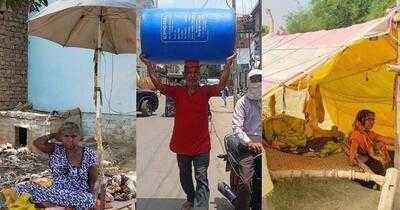
“People said not to go, but the police said, she’s a reporter. No one was in the victim’s house. The body was in a corner of the house. I went and saw it. The marks of attacks. I liked to be able to see for myself. After that, I felt that people saw me differently.”
Through our years of reporting, when our stories were published and we took them back to the sources, our readers, the police, and the administration, they created a record of lives lived. They moved people and institutions. Sometimes they resulted in anger and disbelief; sometimes in the overwhelming sensation of being seen; sometimes in the beginning of the construction of a road or a school wall; and sometimes they made an arrest inevitable. In some cases, where we were present along with hundreds of other journalists – for instance, the case of the rape and murder of a dalit girl in Hathras district of Uttar Pradesh – we highlighted the embedded, existing realities of caste and patriarchy, and how dalit subjects at the centre of big news stories are abused.
But now we took a step back, or a step forward, and looked more closely: not at how...Read more
-
Airtel: Get Premium Apps Worth Thousands of Rupees for Free, Along with Unlimited Calling for a Month, for Just ₹199..

-
MBA in AI: The MBA Degree Gets an AI Twist—Land a Lucrative Salary Right Upon Placement..

-
Summer Vacation Activities: What Should You Teach Your Child During the Summer Holidays? You Can Help Them Master Cooking and Coding.

-
IIT Scholarships: IIT Delhi Offers Multiple Scholarships to B.Tech Students—Including Free Meals and Pocket Money..

-
Bank Jobs: Vacancies for Specialist Officer posts at Central Bank—fill out the form by April 30..