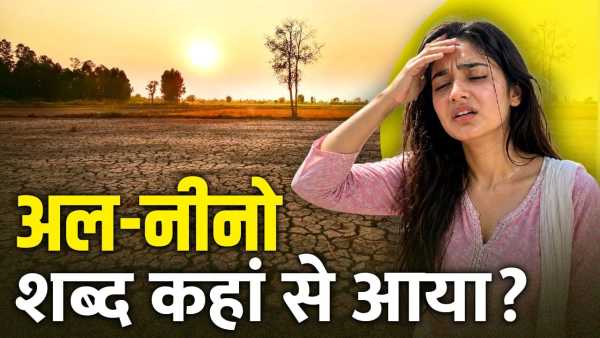
If the surface temperature of the central and eastern Pacific Ocean increases by .5 to 1.5 degrees Celsius above normal, it is considered El Nino.
There is havoc of heat in different parts of the country including North India. If we rely on the data of the Meteorological Department, the maximum temperature has not yet reached 43 degrees Celsius in any part of the country, but it feels much more than this. On the other hand, scientists of the world are expressing the fear of Super El Nino in the year 2026. If this happens then its impact will be widespread. Global temperature may increase. The possibility of rain and flood cannot be ruled out. Monsoon may become weak in India. There may be water shortage. It may be very hot.
Incidents like drought, flood, storm can happen in different parts of the world. Scientists around the world are keeping an eye on the situation. Nothing is certain but if it happens, it is a global climate risk. It can also affect food security, lifestyle and economy. Let us understand what is El Nino, Super El Nino? Where did this concept come from? What is the difference between El Nino or La Nino?
What is El Nino and Super El Nino?
El Nino is a natural weather related phenomenon. It occurs in the Pacific Ocean. Especially near the equator. El Nino is formed when ocean water becomes warmer than normal. Its effect is not limited to the sea only. It changes the weather around the world. When the surface temperature of the central and eastern Pacific Ocean increases by more than 1.5 degrees Celsius above normal, it is considered a normal or moderate El Nino. When this temperature exceeds normal by two degrees Celsius or more, it is classified as Super El Nino. This is a rare and extremely powerful condition.

In the event of El Nino, the temperature of the Pacific Ocean increases.
What and how much impact can it have on India?
If there is a normal El Nino, the monsoon may remain slightly weak or there may be a slight reduction in rainfall. The heat may also be a little more than normal. But Super El Nino can be very dangerous for India. In this, the possibility of severe drought increases greatly. Heat wave can occur and it has a very bad effect on farming. The effect of Super El Nino was seen during the years 1982-83, 1997-98 and 2015-16.
How did El Nino get its name?
El Nino is a Spanish word. It is also called El Nino. It means small child or child. Fishermen from Peru and Ecuador used this word. They observed that after a few years the sea water suddenly becomes warm. This incident used to happen around Christmas. Therefore they named it El Nino, which is associated with the child form of Jesus Christ.
How did this concept develop?
Initially people considered it only a local incident. Later scientists studied it. They found that this event brings changes in the entire Pacific Ocean. Then I understood that it affects the weather of the world. Today El Nino is considered an important part of the global climate system.
El Nino especially affects the monsoon in India.
How is El Nino formed?
Under normal circumstances winds blow from east to west. These winds push warm water towards Asia. Due to this, warm water accumulates in the western Pacific. These winds become weak during El Nino. Sometimes even changes direction. Then the hot water starts spreading back towards the east. Due to this the temperature of the sea increases. This is the situation of El Nino.
Is its impact global?
El Nino affects the entire world. At some places there is drought and at other places there is heavy rain. The heat increases at some places. The cold subsides in some places. That means the balance of weather gets disturbed. If the situation becomes Super El Nino then the situation can reach extreme stage.
What is the effect of El Nino in India?
El Nino especially affects the monsoon in India. Monsoon is very important for India's agriculture and water needs. Monsoon often becomes weak during El Nino. There is less rain. This can create a drought-like situation. Crops in the fields may get damaged. There may be shortage of water.
Oceans accelerating and the carriage of Super El Niño. ♨️♨️♨️
This graph is of the temperature of the oceans from 01/01 to 23/04 of 2026. Just a sample, you can make it better with other information. pic.twitter.com/8tYPP4p8Fk
—Bruno Brezenski (@bbbrezenski) April 24, 2026
What is its role in increasing heat in India?
Due to El Nino the heat increases in India. There are a couple of reasons for this. Monsoon comes late or is weak. Clouds form less. The ground becomes hotter. The incidence of heat waves increases. When there is less rain, the ground does not cool down. This increases the temperature further.
Does this happen every El Nino?
The effect is not the same every time. The effect is greater in some years. Less in some years but generally it increases the risk of heat and drought in India. El Nino usually lasts from nine to five months. Sometimes it can last even for two years. It comes between every two to seven years.
Then what is La Nina?
La Nina is the reverse form of El Nino. In this the sea water becomes cooler than normal. This also happens in the Pacific Ocean only. The trade winds become stronger during La Nina. These winds push the warm water further west. This causes cold water to rise in the eastern Pacific. Due to this the temperature of the sea falls.
What is the impact of La Nina on India?
La Nina is generally considered good for India. During this period the monsoon becomes stronger. Rain is good. Farming benefits. But sometimes excessive rain can also cause floods. That is, it is not necessary that its effect be completely good.
Can we put a stop to this?
El Nino and La Nina are natural phenomena. They cannot be stopped. But scientists try to identify them in advance. With this the government and people can make preparations.
How to prevent this?
Use water properly. Be especially careful in summer. Make changes in farming. Pay attention to weather information. El Nino and Super El Nino are natural but powerful phenomena. It starts from the sea, but has a big impact on the land. In India it can cause heat and drought. Whereas La Nina is its opposite form, which increases rainfall. Both help us understand our weather. Their impact can be reduced with correct information and preparation.


-
Can eating chicken biryani and kalingad cause death? Experts told the real truth

-
Mothers Day 2026: When is Mother’s Day? Know why this day is celebrated, history

-
Child does not eat food without mobile? Get rid of the habit in these 5 ways

-
Stress Relief Tips: Have you become restless due to fatigue and stress? Just 10 minutes of Shavasana will give surprising benefits

-
BMW M440i Convertible To Debut Soon In India: 3.0L Engine, 18-Second Soft-Top Roof, And Sporty Performance With Luxury Features — Check All Details Inside