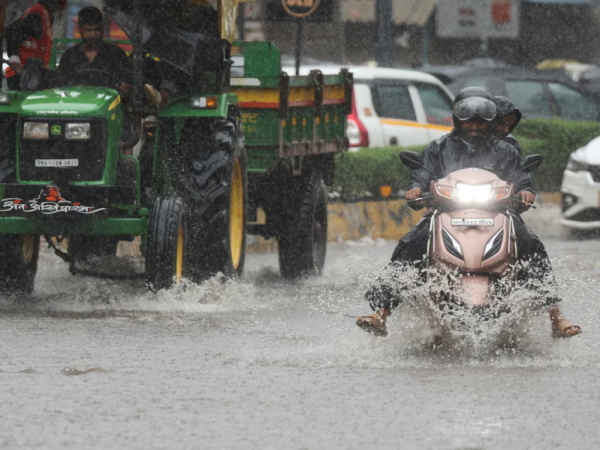
Delhi NCR weather patterns have become tangled as residents on Tuesday, April 28, 2026, are faced with a heat alert from the India Meteorological Department (IMD) and are also told that precipitation will bring cooling weather. The national capital has been hitting “Yellow Alert” heat conditions that will persist throughout the daytime hours after Monday’s maximum temperature of 42.3°C. The new Western Disturbance that is set to hit will interfere with the existing hot weather patterns. The northern plains are facing an unpredictable weather pattern because atmospheric instability will produce a variety of weather patterns, from dust storms to thunderstorms with lightning. Unseasonal snow now is falling in the Himalayan highlands, which is making a significant contrast in India’s climatic patterns for late April.
Dust Storms And Rain Are Happening Together Due To Changing Weather Conditions
The current weather patterns indicate an upcoming rainfall event because moisture-rich winds from the Arabian Sea start to combine with the dry heat that has established itself over Northwest India. The forecast for Delhi and Noida and Gurugram predicts that the afternoon heat will reach its peak at about 43°C before the evening brings strong winds that gust at speeds between 30 and 50 kmph.
The IMD rain predictions show that summer storms will produce light to moderate rainfall, which will bring temporary relief from the ongoing dry period. The pre-monsoon showers not only provide cooling effects but also function as natural air purifiers, which eliminate airborne particulate matter that has increased during the recent heatwave. Residents need to stay alert for unexpected lightning strikes and falling debris, which will occur during the period when stagnant heat transitions into active thundery weather.
Himalayan Snowfall vs. Delhi Heat Shows Extreme Opposite Weather Conditions in India
The National Capital Region’s urban expansion uses temperature measurements to assess heat exhaustion. The Jammu and Kashmir and Himachal Pradesh mountain regions experience a cryospheric rebound according to current scientific measurements. The IMD has identified that the Western Disturbance system, which causes thunderstorms to affect the plains, also brings fresh snow to the highest peaks, which creates a unique late-spring weather event.
The current weather conditions in India show two distinct geographical patterns that demonstrate the country’s diverse landforms. The “Heat Alert” system operates as the main danger to public health throughout the plains because officials tell people to stay indoors between 12:00 PM and 4:00 PM in order to prevent dehydration.
The northern region will receive snowfall, which will result in reduced river temperatures that will help establish equilibrium in the local climate system. The combination of falling snowflakes in the north with rising dust in the central region of the country creates an impressive visual display that shows how climate conditions have changed.
A recent media graduate, Bhumi Vashisht is currently making a significant contribution as a committed content writer. She brings new ideas to the media sector and is an expert at creating strategic content and captivating tales, having working in the field from past over 10 months.
The post Weather Today 28 April 2026: IMD Predicts Rain, Heat Alert, Thunderstorms, And Snow Chances Across Delhi NCR Region Update appeared first on NewsX.
-
Is Your Watermelon Safe? How to Check If Your Fruit Is Injected

-
CBI nabs man absconding for 14 years in Rs 60.86 lakh bank fraud
-
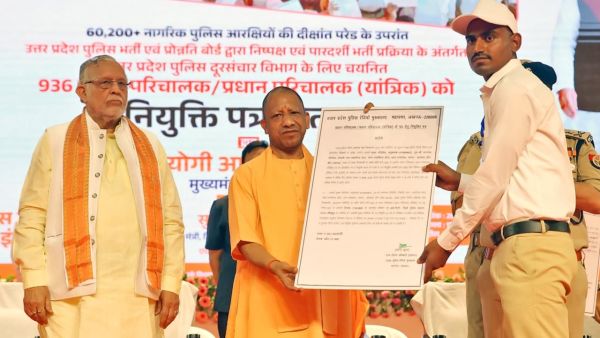
UP Police Telecom Bharti 2026: 936 candidates received appointment letters, youth expressed gratitude to Yogi government. Up Police Telecom Bharti 2026 936 Candidates Receive Appointment Letters Youth Express Gratitude To The Yogi Government
-
This way of eating celery is absolutely wrong! ‘This habit of yours can cause harm instead of benefit’ – News Himachali News Himachali

-
Loan will be available without guarantee! Finance Ministry approves ₹2.5 lakh crore scheme, cabinet decision to be taken soon