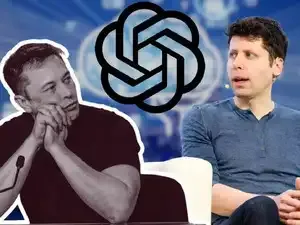
Elon Musk vs Sam Altman court case: what’s at stake in the OpenAI lawsuit - The Musk vs Altman trial over OpenAI nonprofit conversion begins with stakes that could reshape the AI industry overnight. Jury selection opened Monday in Oakland as Elon Musk challenges whether OpenAI’s shift from a nonprofit to a for-profit giant violates charitable trust laws. At the center lies a staggering $852 billion valuation and a potential $150 billion penalty. Within the first moments of this case, the key question is already clear: did OpenAI promise a nonprofit mission and later pivot for private gain?
This Musk vs Altman trial over OpenAI nonprofit conversion is not just another Silicon Valley dispute. It directly tests whether companies can legally evolve from mission-driven nonprofits into profit-driven empires while retaining donor-backed assets. Sam Altman, alongside co-founder Greg Brockman, faces claims of unjust enrichment and breach of charitable trust. Musk argues that early commitments were broken, while OpenAI insists the transition was necessary to fund artificial intelligence at scale.
OpenAI’s transition to a capped-profit model sits at the heart of the Elon Musk vs Sam Altman court case. The company argues that training modern AI models requires billions in computing power, talent, and infrastructure. Without a profit-linked structure, scaling would have stalled.
OpenAI started in 2015 as a nonprofit promising to build safe AI for humanity. By 2019, it created a capped-profit structure and later deepened commercial partnerships, especially with Microsoft. Musk argues this pivot violated foundational agreements. Altman and OpenAI insist it was the only way to fund increasingly expensive AI systems. The Elon Musk vs Sam Altman court case, therefore, is not just legal—it is philosophical.
The controversy intensified after a 2017 diary entry from Brockman surfaced, calling the nonprofit commitment “a lie.” That single line now anchors a case with billions at stake. With testimony expected from figures like Satya Nadella and Mira Murati, the courtroom has become a focal point for the future of AI governance. The judge—not the jury—will ultimately decide the outcome, making this trial both legally complex and historically significant.
However, OpenAI later introduced a capped-profit structure and eventually evolved into a hybrid model with massive commercial backing. This shift, according to Musk, diverted value away from the original charitable purpose. His legal team argues that insiders gained equity while the nonprofit mission weakened, raising serious legal concerns about trust violations.
OpenAI disputes this narrative. The company maintains that scaling artificial intelligence requires enormous capital, something a nonprofit structure alone could not sustain. It also points out that Musk left the board in 2018 and withdrew further funding commitments, weakening his claim to influence the organization’s direction.
Judge Yvonne Gonzalez Rogers cited this entry while allowing the case to proceed, noting “ample evidence” supporting Musk’s claims. That decision alone signaled the seriousness of the allegations and ensured the dispute would reach trial instead of being dismissed.
Beyond the diary, Musk’s team presented emails and messages suggesting that leadership publicly supported the nonprofit model while privately exploring profit-driven alternatives. A 2017 email from Altman reaffirming commitment to the nonprofit structure—allegedly to maintain funding—has become another focal point in the case.
Together, these documents create a narrative Musk’s lawyers will emphasize: that OpenAI’s leadership said one thing publicly while planning another internally.
It also highlights the role of the OpenAI Foundation, which reportedly holds around 26% of the company’s value—roughly $130 billion. According to OpenAI, this structure preserves the mission while enabling investment at a scale required for advanced AI development.
Additionally, OpenAI portrays Musk’s lawsuit as competitively motivated. After founding xAI in 2023 and integrating it into his broader business empire, Musk now operates in direct competition with OpenAI. The defense argues that this conflict undermines his claim of acting purely in the public interest.
Judge Rogers has acknowledged this dynamic, noting that competition plays a role in the case. Still, she allowed the trial to proceed, suggesting that competitive motives do not automatically invalidate legal claims.
The Musk vs Altman trial over OpenAI nonprofit conversion follows an unusual structure. A nine-member jury will evaluate liability, but its verdict will only be advisory. The final decision rests solely with Judge Rogers.
The trial’s liability phase is expected to run through mid-May. If OpenAI is found liable, a remedies phase will begin, where the court could consider drastic outcomes. These include financial penalties, leadership changes, or even reversing the company’s conversion to a for-profit structure.
Musk has already narrowed his case by dropping fraud claims, focusing instead on unjust enrichment and breach of charitable trust. This strategic move shifts attention from proving intent to examining outcomes—specifically whether insiders benefited at the expense of the nonprofit mission.
If the court rules in Musk’s favor, it could force Altman and Brockman to return financial gains tied to the for-profit entity. Such a decision would send shockwaves across Silicon Valley and redefine how startups structure themselves.
OpenAI is not alone in navigating this path, but it is by far the most prominent example. A ruling against the company could set a precedent limiting how organizations evolve, particularly when donor funds and public trust are involved.
Investor confidence also hangs in the balance. OpenAI reportedly raised $122 billion recently and is exploring a potential IPO that could value it at $1 trillion. A negative ruling could complicate those plans and raise new governance concerns.
Meanwhile, critics argue the case highlights a deeper tension within AI development: balancing ethical commitments with commercial pressures. Supporters of Musk’s position believe the trial could enforce accountability. Others warn it may discourage innovation by making funding structures more rigid.
By the time the judge delivers a verdict, the Musk vs Altman trial over OpenAI nonprofit conversion will likely redefine not just OpenAI’s future, but the rules governing the entire artificial intelligence industry.
The Musk vs Altman trial over OpenAI nonprofit conversion could legally force a partial or full rollback if the judge finds a breach of charitable trust. Courts have authority to unwind transactions that violate nonprofit obligations, especially when donor intent is proven to be misused. However, given OpenAI’s massive scale and global investor base, any reversal would likely be complex, phased, and financially disruptive rather than immediate or absolute.
Q2. How could this case impact future AI companies?
The Musk vs Altman trial over OpenAI nonprofit conversion may set a precedent that reshapes how AI startups structure themselves from day one. If the court sides with Musk, future companies may avoid nonprofit origins altogether to reduce legal risk and donor liability exposure. On the other hand, a win for OpenAI could validate hybrid models, encouraging more startups to blend mission-driven narratives with profit-focused scaling strategies.
This Musk vs Altman trial over OpenAI nonprofit conversion is not just another Silicon Valley dispute. It directly tests whether companies can legally evolve from mission-driven nonprofits into profit-driven empires while retaining donor-backed assets. Sam Altman, alongside co-founder Greg Brockman, faces claims of unjust enrichment and breach of charitable trust. Musk argues that early commitments were broken, while OpenAI insists the transition was necessary to fund artificial intelligence at scale.
OpenAI’s transition to a capped-profit model sits at the heart of the Elon Musk vs Sam Altman court case. The company argues that training modern AI models requires billions in computing power, talent, and infrastructure. Without a profit-linked structure, scaling would have stalled.
OpenAI started in 2015 as a nonprofit promising to build safe AI for humanity. By 2019, it created a capped-profit structure and later deepened commercial partnerships, especially with Microsoft. Musk argues this pivot violated foundational agreements. Altman and OpenAI insist it was the only way to fund increasingly expensive AI systems. The Elon Musk vs Sam Altman court case, therefore, is not just legal—it is philosophical.
The controversy intensified after a 2017 diary entry from Brockman surfaced, calling the nonprofit commitment “a lie.” That single line now anchors a case with billions at stake. With testimony expected from figures like Satya Nadella and Mira Murati, the courtroom has become a focal point for the future of AI governance. The judge—not the jury—will ultimately decide the outcome, making this trial both legally complex and historically significant.
Elon Musk vs Sam Altman court case: what triggered the lawsuit?
The Musk vs Altman trial over OpenAI nonprofit conversion stems from OpenAI’s transformation from a nonprofit research lab in 2015 into one of the world’s most valuable private companies. Musk, who donated at least $38 million, claims those funds supported a mission to benefit humanity, not private shareholders.However, OpenAI later introduced a capped-profit structure and eventually evolved into a hybrid model with massive commercial backing. This shift, according to Musk, diverted value away from the original charitable purpose. His legal team argues that insiders gained equity while the nonprofit mission weakened, raising serious legal concerns about trust violations.
OpenAI disputes this narrative. The company maintains that scaling artificial intelligence requires enormous capital, something a nonprofit structure alone could not sustain. It also points out that Musk left the board in 2018 and withdrew further funding commitments, weakening his claim to influence the organization’s direction.
Why is Brockman’s diary entry central to the Musk vs Altman trial over OpenAI nonprofit conversion?
The Musk vs Altman trial over OpenAI nonprofit conversion hinges heavily on intent and internal discussions, making Brockman’s diary entry unusually powerful evidence. Written in 2017, it explicitly questions whether the nonprofit promise was genuine from the beginning.Judge Yvonne Gonzalez Rogers cited this entry while allowing the case to proceed, noting “ample evidence” supporting Musk’s claims. That decision alone signaled the seriousness of the allegations and ensured the dispute would reach trial instead of being dismissed.
Beyond the diary, Musk’s team presented emails and messages suggesting that leadership publicly supported the nonprofit model while privately exploring profit-driven alternatives. A 2017 email from Altman reaffirming commitment to the nonprofit structure—allegedly to maintain funding—has become another focal point in the case.
Together, these documents create a narrative Musk’s lawyers will emphasize: that OpenAI’s leadership said one thing publicly while planning another internally.
How OpenAI is defending its nonprofit-to-profit transition in court
OpenAI’s defense in the Musk vs Altman trial over OpenAI nonprofit conversion focuses on legality, oversight, and necessity. The company argues that regulators in California and Delaware reviewed and approved the restructuring, ensuring compliance with charitable laws.It also highlights the role of the OpenAI Foundation, which reportedly holds around 26% of the company’s value—roughly $130 billion. According to OpenAI, this structure preserves the mission while enabling investment at a scale required for advanced AI development.
Additionally, OpenAI portrays Musk’s lawsuit as competitively motivated. After founding xAI in 2023 and integrating it into his broader business empire, Musk now operates in direct competition with OpenAI. The defense argues that this conflict undermines his claim of acting purely in the public interest.
Judge Rogers has acknowledged this dynamic, noting that competition plays a role in the case. Still, she allowed the trial to proceed, suggesting that competitive motives do not automatically invalidate legal claims.
The Musk vs Altman trial over OpenAI nonprofit conversion follows an unusual structure. A nine-member jury will evaluate liability, but its verdict will only be advisory. The final decision rests solely with Judge Rogers.
The trial’s liability phase is expected to run through mid-May. If OpenAI is found liable, a remedies phase will begin, where the court could consider drastic outcomes. These include financial penalties, leadership changes, or even reversing the company’s conversion to a for-profit structure.
Musk has already narrowed his case by dropping fraud claims, focusing instead on unjust enrichment and breach of charitable trust. This strategic move shifts attention from proving intent to examining outcomes—specifically whether insiders benefited at the expense of the nonprofit mission.
If the court rules in Musk’s favor, it could force Altman and Brockman to return financial gains tied to the for-profit entity. Such a decision would send shockwaves across Silicon Valley and redefine how startups structure themselves.
What does the Musk vs Altman trial over OpenAI nonprofit conversion mean for AI’s future?
The broader implications of the Musk vs Altman trial over OpenAI nonprofit conversion extend far beyond one company. At stake is the legal viability of a model increasingly used in the AI sector—starting as a nonprofit to attract trust and funding, then transitioning to a for-profit entity for scale.OpenAI is not alone in navigating this path, but it is by far the most prominent example. A ruling against the company could set a precedent limiting how organizations evolve, particularly when donor funds and public trust are involved.
Investor confidence also hangs in the balance. OpenAI reportedly raised $122 billion recently and is exploring a potential IPO that could value it at $1 trillion. A negative ruling could complicate those plans and raise new governance concerns.
Meanwhile, critics argue the case highlights a deeper tension within AI development: balancing ethical commitments with commercial pressures. Supporters of Musk’s position believe the trial could enforce accountability. Others warn it may discourage innovation by making funding structures more rigid.
By the time the judge delivers a verdict, the Musk vs Altman trial over OpenAI nonprofit conversion will likely redefine not just OpenAI’s future, but the rules governing the entire artificial intelligence industry.
FAQs:
Q1. Can the court really unwind OpenAI’s structure?The Musk vs Altman trial over OpenAI nonprofit conversion could legally force a partial or full rollback if the judge finds a breach of charitable trust. Courts have authority to unwind transactions that violate nonprofit obligations, especially when donor intent is proven to be misused. However, given OpenAI’s massive scale and global investor base, any reversal would likely be complex, phased, and financially disruptive rather than immediate or absolute.
Q2. How could this case impact future AI companies?
The Musk vs Altman trial over OpenAI nonprofit conversion may set a precedent that reshapes how AI startups structure themselves from day one. If the court sides with Musk, future companies may avoid nonprofit origins altogether to reduce legal risk and donor liability exposure. On the other hand, a win for OpenAI could validate hybrid models, encouraging more startups to blend mission-driven narratives with profit-focused scaling strategies.