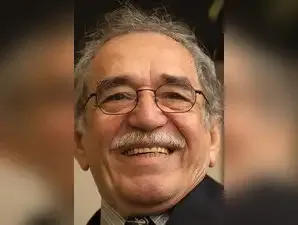
Quote of the Day: Some quotes do more than inspire—they quietly reshape how we understand memory, identity, and the stories we tell ourselves. The words of Gabriel García Márquez carry that rare power. Known for blending reality with imagination, his reflections often feel deeply personal yet universally true. A Quote of the Day matters because it gives us a pause—a moment to look inward and rethink how we experience life. In a fast-moving world, such lines remind us that meaning is not always found in events themselves, but in how we remember and narrate them.
The Quote of the Day today by Gabriel García Márquez is: “Life is not what one lived, but what one remembers and how one remembers it in order to recount it.” Born on March 6, 1927, in Aracataca, Colombia, García Márquez was one of the greatest writers of the 20th century.
A novelist, journalist, and master storyteller, he became globally celebrated for his groundbreaking work One Hundred Years of Solitude (1967), which played a major role in earning him the Nobel Prize for Literature in 1982. His writing introduced millions of readers to “magic realism,” a style that seamlessly blends the ordinary with the extraordinary. Alongside literary giants like Jorge Luis Borges, he became one of the most recognized voices in Latin American literature, admired for both his imaginative narratives and his ability to connect with readers across cultures.
Gabriel García Márquez spent his early years in the quiet town of Aracataca, where he was raised by his maternal grandparents. His grandfather, a colonel and veteran of the War of a Thousand Days, and his grandmother, known for her vivid storytelling, played a profound role in shaping his imagination. The stories he heard during childhood—filled with history, folklore, and family memory—would later form the backbone of his literary universe, as per information taken from Britannica.
After his grandfather’s death, his family moved to Barranquilla. Though he received a solid education and initially studied law, García Márquez eventually turned to journalism. This decision would define his early career, allowing him to travel widely and refine his writing style. As a correspondent in Paris during the 1950s, he immersed himself in global literature, expanding his creative horizons.
Before achieving fame, Gabriel García Márquez published several works, including The Leaf Storm (1955) and No One Writes to the Colonel (1961). However, it was One Hundred Years of Solitude that transformed his career. The novel tells the story of the fictional town of Macondo, reflecting the broader history of Latin America through a blend of realism and fantasy.
This unique narrative style—later known as magic realism—became García Márquez’s signature. His works often explored themes of love, solitude, power, and memory, capturing the complexities of human experience. He continued to produce influential novels such as Love in the Time of Cholera (1985) and Chronicle of a Death Foretold (1981), as well as journalistic works like News of a Kidnapping (1996).
Throughout his career, he maintained a rare balance: his writing was accessible to everyday readers while still earning the respect of literary critics. His storytelling, often compared to that of Miguel de Cervantes, was marked by rich detail, humor, and emotional depth, as per information taken from Britannica.
Even as his fame grew, Gabriel García Márquez remained closely connected to journalism. He worked in cities like Bogotá and New York and later settled in Mexico City, where he wrote many of his most important works. His association with political figures, including Cuban leader Fidel Castro, reflected his engagement with the social and political realities of Latin America.
In 1999, after being diagnosed with cancer, García Márquez turned inward, writing his memoir Living to Tell the Tale (2002), which focused on his early life. He returned to fiction with Memories of My Melancholy Whores (2004), continuing to explore themes of love and solitude even in his later years. He passed away on April 17, 2014, in Mexico City, leaving behind a literary legacy that continues to influence writers and readers worldwide, as per information taken from Britannica.
The essence of today’s quote lies in its quiet but powerful truth: life is not simply a sequence of events, but a collection of memories shaped by perception. According to Gabriel García Márquez, what matters is not just what happens to us, but how we interpret and remember those experiences.
Memory, in this sense, becomes a creative act. Two people can live through the same moment yet remember it differently. One might recall pain, while another finds meaning or beauty in the same experience. García Márquez suggests that our lives are ultimately defined by the stories we tell—both to ourselves and to others.
This idea is deeply connected to his literary style. In his novels, reality is often filtered through memory, emotion, and imagination. By blending fact with fiction, he demonstrates that truth is not always objective—it is shaped by perspective. The quote invites readers to reflect on their own lives: how do we remember our past, and how do those memories shape who we become?
In a broader sense, the quote also highlights the importance of storytelling. Whether through writing, conversation, or personal reflection, recounting our experiences gives them meaning. It allows us to make sense of the past and connect with others. In this way, life becomes not just something we live, but something we continuously reinterpret.
The influence of Gabriel García Márquez extends far beyond literature. His work gave global recognition to Latin American storytelling and opened doors for future writers. By combining history, culture, and imagination, he created a narrative style that continues to inspire.
His Nobel Prize in 1982 marked a significant moment not just for him, but for Latin American literature as a whole. In his Nobel lecture, he spoke about the realities of his region—its struggles, contradictions, and resilience—offering a vision of a world where love and hope prevail over isolation and despair.
Beyond today’s Quote of the Day, Gabriel García Márquez left behind many memorable lines:
“What matters in life is not what happens to you but what you remember and how you remember it.”
“No medicine cures what happiness cannot.”
“It's enough for me to be sure that you and I exist at this moment.”
“Nobody deserves your tears, but whoever deserves them will not make you cry.”
As a Quote of the Day, García Márquez’s words encourage a different way of looking at life—not as a fixed timeline of events, but as a living story shaped by memory and meaning. Long after his passing, Gabriel García Márquez continues to remind us that the way we remember our lives may matter just as much as the lives we actually live.
Quote of the Day Today April 27
The Quote of the Day today by Gabriel García Márquez is: “Life is not what one lived, but what one remembers and how one remembers it in order to recount it.” Born on March 6, 1927, in Aracataca, Colombia, García Márquez was one of the greatest writers of the 20th century.
A novelist, journalist, and master storyteller, he became globally celebrated for his groundbreaking work One Hundred Years of Solitude (1967), which played a major role in earning him the Nobel Prize for Literature in 1982. His writing introduced millions of readers to “magic realism,” a style that seamlessly blends the ordinary with the extraordinary. Alongside literary giants like Jorge Luis Borges, he became one of the most recognized voices in Latin American literature, admired for both his imaginative narratives and his ability to connect with readers across cultures.
Early Life and Influences
Gabriel García Márquez spent his early years in the quiet town of Aracataca, where he was raised by his maternal grandparents. His grandfather, a colonel and veteran of the War of a Thousand Days, and his grandmother, known for her vivid storytelling, played a profound role in shaping his imagination. The stories he heard during childhood—filled with history, folklore, and family memory—would later form the backbone of his literary universe, as per information taken from Britannica.
After his grandfather’s death, his family moved to Barranquilla. Though he received a solid education and initially studied law, García Márquez eventually turned to journalism. This decision would define his early career, allowing him to travel widely and refine his writing style. As a correspondent in Paris during the 1950s, he immersed himself in global literature, expanding his creative horizons.
Literary Career and Breakthrough
Before achieving fame, Gabriel García Márquez published several works, including The Leaf Storm (1955) and No One Writes to the Colonel (1961). However, it was One Hundred Years of Solitude that transformed his career. The novel tells the story of the fictional town of Macondo, reflecting the broader history of Latin America through a blend of realism and fantasy.
This unique narrative style—later known as magic realism—became García Márquez’s signature. His works often explored themes of love, solitude, power, and memory, capturing the complexities of human experience. He continued to produce influential novels such as Love in the Time of Cholera (1985) and Chronicle of a Death Foretold (1981), as well as journalistic works like News of a Kidnapping (1996).
Throughout his career, he maintained a rare balance: his writing was accessible to everyday readers while still earning the respect of literary critics. His storytelling, often compared to that of Miguel de Cervantes, was marked by rich detail, humor, and emotional depth, as per information taken from Britannica.
Life Beyond Literature
Even as his fame grew, Gabriel García Márquez remained closely connected to journalism. He worked in cities like Bogotá and New York and later settled in Mexico City, where he wrote many of his most important works. His association with political figures, including Cuban leader Fidel Castro, reflected his engagement with the social and political realities of Latin America.
In 1999, after being diagnosed with cancer, García Márquez turned inward, writing his memoir Living to Tell the Tale (2002), which focused on his early life. He returned to fiction with Memories of My Melancholy Whores (2004), continuing to explore themes of love and solitude even in his later years. He passed away on April 17, 2014, in Mexico City, leaving behind a literary legacy that continues to influence writers and readers worldwide, as per information taken from Britannica.
Meaning of the Quote of the Day
The essence of today’s quote lies in its quiet but powerful truth: life is not simply a sequence of events, but a collection of memories shaped by perception. According to Gabriel García Márquez, what matters is not just what happens to us, but how we interpret and remember those experiences.
Memory, in this sense, becomes a creative act. Two people can live through the same moment yet remember it differently. One might recall pain, while another finds meaning or beauty in the same experience. García Márquez suggests that our lives are ultimately defined by the stories we tell—both to ourselves and to others.
This idea is deeply connected to his literary style. In his novels, reality is often filtered through memory, emotion, and imagination. By blending fact with fiction, he demonstrates that truth is not always objective—it is shaped by perspective. The quote invites readers to reflect on their own lives: how do we remember our past, and how do those memories shape who we become?
In a broader sense, the quote also highlights the importance of storytelling. Whether through writing, conversation, or personal reflection, recounting our experiences gives them meaning. It allows us to make sense of the past and connect with others. In this way, life becomes not just something we live, but something we continuously reinterpret.
Legacy and Enduring Influence
The influence of Gabriel García Márquez extends far beyond literature. His work gave global recognition to Latin American storytelling and opened doors for future writers. By combining history, culture, and imagination, he created a narrative style that continues to inspire.
His Nobel Prize in 1982 marked a significant moment not just for him, but for Latin American literature as a whole. In his Nobel lecture, he spoke about the realities of his region—its struggles, contradictions, and resilience—offering a vision of a world where love and hope prevail over isolation and despair.
Iconic Quotes by Gabriel García Márquez
Beyond today’s Quote of the Day, Gabriel García Márquez left behind many memorable lines:
“What matters in life is not what happens to you but what you remember and how you remember it.”
“No medicine cures what happiness cannot.”
“It's enough for me to be sure that you and I exist at this moment.”
“Nobody deserves your tears, but whoever deserves them will not make you cry.”
As a Quote of the Day, García Márquez’s words encourage a different way of looking at life—not as a fixed timeline of events, but as a living story shaped by memory and meaning. Long after his passing, Gabriel García Márquez continues to remind us that the way we remember our lives may matter just as much as the lives we actually live.