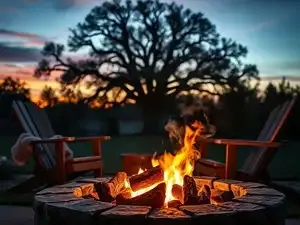
Fire pits in the backyard have been a constant feature in American households all year round. However, while most of them prioritize picking the right kind of wood or building the perfect backyard environment, maintenance may get ignored. This may prove to be a blunder.
An unkempt fire pit is not just unsightly but a potential safety hazard, too. The major cause of fires and other injuries associated with fire pits is ash accumulation.
According to the United States Consumer Product Safety Commission, thousands of injuries from fire pits and outdoor heaters have landed people in hospitals. Although such accidents occur for a variety of reasons, negligence cannot be ruled out.
To begin with, the fact is that ash is very good at storing heat and does so for a much longer period than people think. Embers covered in ash can remain hot even after hours or even days since a fire has died down. According to some experts, people should wait for the ashes to become cool before removing them.
That stored heat can then start another fire in flammable materials or result in burns when the ashes are being cleaned. A third problem that can arise from having too much ash is the problem with air flow. Air flow in fire pits is essential to make sure that fires burn efficiently and safely. Too much ash will block air flows, resulting in fires that produce excessive smoke.
Ashes, as pointed out by HGTV home maintenance experts, are acidic in nature. This means that when ashes mix with water, they corrode the metal used in making fire bowls.
Always inspect the remains after each fire to see if there are any burning embers or debris left behind. Once cooled down, put the ashes in a metal bucket with a lid, never in boxes made out of paper or plastic.
That's much more important than one may think – ashes have caused house fires.
Burn only seasoned hardwood. Seasoned softwoods tend to spark excessively and produce more ash buildup. The vicinity should be clear of any combustible materials such as leaves, couch cushions, etc. As per Consumer Reports, it is best practice to maintain ample distance between the fire pit and the structure or building.
For a gas fire pit, regular inspection for debris and fuel line leakage is necessary. In addition, make sure to check all connections for the propane pit prior to every use. Finally, it is important to place an overhead cover every time the pit is not in use. Moisture tends to speed up corrosion, and the remaining ashes will become a caustic sludge due to rain.
The list of things that must never be disposed of through burning and ash recycling includes any treated woods or paints.
The attraction of a fire pit lies in its simplicity. Ensuring its safety can be as straightforward.
Sometimes, it all begins with ash cleanup.
An unkempt fire pit is not just unsightly but a potential safety hazard, too. The major cause of fires and other injuries associated with fire pits is ash accumulation.
According to the United States Consumer Product Safety Commission, thousands of injuries from fire pits and outdoor heaters have landed people in hospitals. Although such accidents occur for a variety of reasons, negligence cannot be ruled out.
Why ash buildup can become dangerous
Leaving ash to collect in the pit after burning seems innocuous enough, but the fact is, collecting ash can pose many different issues.To begin with, the fact is that ash is very good at storing heat and does so for a much longer period than people think. Embers covered in ash can remain hot even after hours or even days since a fire has died down. According to some experts, people should wait for the ashes to become cool before removing them.
That stored heat can then start another fire in flammable materials or result in burns when the ashes are being cleaned. A third problem that can arise from having too much ash is the problem with air flow. Air flow in fire pits is essential to make sure that fires burn efficiently and safely. Too much ash will block air flows, resulting in fires that produce excessive smoke.
Ashes, as pointed out by HGTV home maintenance experts, are acidic in nature. This means that when ashes mix with water, they corrode the metal used in making fire bowls.
How often should you clean your fire pit?
The frequency of cleaning depends on usage, but the general advice is to get rid of extra ash when the pile is at least an inch thick. A small amount of ash can act as insulation for a wood-burning pit, but more than that will cause problems.Always inspect the remains after each fire to see if there are any burning embers or debris left behind. Once cooled down, put the ashes in a metal bucket with a lid, never in boxes made out of paper or plastic.
That's much more important than one may think – ashes have caused house fires.
Image Credit: TIL Creative| A peaceful evening by a natural stone fire pit, roasting marshmallows in comfortable Adirondack chairs.
Basic fire pit maintenance that homeowners often miss
Cleaning ashes does not account for all the maintenance work. There are some very basic practices that can ensure that your fire pit operates safely and efficiently. Regularly look out for any signs of rusting, cracking, clogged air vents, and worn-out fire bricks since the conditions may deteriorate further due to heating.Burn only seasoned hardwood. Seasoned softwoods tend to spark excessively and produce more ash buildup. The vicinity should be clear of any combustible materials such as leaves, couch cushions, etc. As per Consumer Reports, it is best practice to maintain ample distance between the fire pit and the structure or building.
For a gas fire pit, regular inspection for debris and fuel line leakage is necessary. In addition, make sure to check all connections for the propane pit prior to every use. Finally, it is important to place an overhead cover every time the pit is not in use. Moisture tends to speed up corrosion, and the remaining ashes will become a caustic sludge due to rain.
Safe ash disposal matters too
Removing the ash is not just limited to cleaning. The disposal of ash is also essential. According to experts, it is advised that the cooled ash be put inside a metal container and then stored away from buildings until all heat is gone. While some households recycle fully cooled wood ash in their garden or compost pile, this practice will depend on the burnt items.The list of things that must never be disposed of through burning and ash recycling includes any treated woods or paints.
Fire pit maintenance is really fire prevention
Fire pit maintenance seems like a cosmetic chore for homeowners. However, it is a fundamental element of fire safety. Ash maintenance increases air flow, provides protection for the fire pit, prevents corrosion, and minimizes the risk of residual embers causing problems in the future.The attraction of a fire pit lies in its simplicity. Ensuring its safety can be as straightforward.
Sometimes, it all begins with ash cleanup.