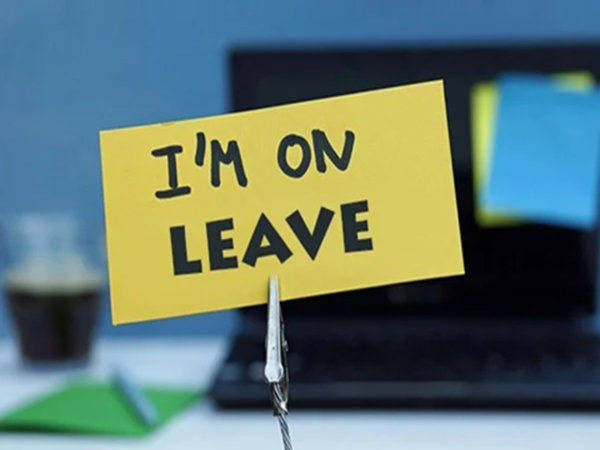
Most people in the office focus on salary, bonuses, and promotions, but they often overlook one crucial aspect: leave. The truth is that your leave benefits are just as important as your earnings. In fact, a sound leave policy not only helps strike a balance between work and personal life but also reduces stress, provides time for family, and serves as a support system during times of need.
However, the question remains: how much leave should one expect from a company? Which types of leave accumulate? Which ones expire? And which ones are statutory rights? Let’s understand all of this in simple language through this comprehensive guide.
**First, let’s grasp the basics:**
* **Earned Leave** is accrued through actual work performed.
* **Casual Leave** is intended for sudden or unforeseen requirements.
* **Sick Leave** is meant for periods of illness.
* **Maternity Leave** is a statutory right.
* Some types of leave accumulate (carry forward), while others expire at the end of the year.
* Rules may vary depending on the specific company and state regulations.
**Why is it important to be informed about leave policies?**
If you are unaware of your leave balance, rules, and rights, you could face disadvantages:
* Leave days may go to waste.
* You might miss out on **Leave Encashment** opportunities.
* Incorrectly applying for leave could result in salary deductions.
* It can lead to increased mental stress.
* You may fail to fully utilize the benefits offered by your company's policy.
**Simply put:** The employee who understands the leave system is the one who manages their work and personal life most effectively.
**1. What is Earned Leave?**
* This is the leave that an employee accrues (earns) by working.
* Typically, it accumulates every month.
* It can range from 12 to 24 days per year.
* It can be **carried forward** to the following year.
* **Encashment** (receiving monetary compensation for unused leave) is possible upon resignation or retirement.
* **Example:** If you do not utilize your leave days, they accumulate and can be used at a later date.
**2. What is Casual Leave?**
* This is leave intended for sudden or immediate requirements.
**When is it typically taken?**
* For urgent domestic chores or family matters.
* For attending social or family functions/events.
* For minor personal errands.
* Generally, employees are granted:
* 6 to 10 days per year.
* It **does not carry forward** to the next year.
* Once the year ends, any unused leave expires.
**3. What is Sick Leave?** Used when an employee falls ill.
Usage:
Fever
Viral infections
Need for rest
On medical advice
Rule: Many companies require a medical certificate after 2–3 days of absence.
4. Is Maternity Leave a Legal Right?
Yes.
Eligible female employees are entitled to maternity leave.
General Provisions:
Approximately 26 weeks of leave for the first two children (subject to applicable terms and conditions).
The leave is granted with full pay.
This constitutes a significant social security right for women.
5. What is Paternity Leave?
Leave granted to a new father upon the birth of his child.
Note:
It is not mandatory across the entire private sector.
Many companies offer it voluntarily.
It may range from 5 to 15 days.
6. What is "Comp Off" (Compensatory Off)?
If you have worked on a Sunday, a scheduled holiday, or a national holiday, you may be granted a day off in exchange.
Example: Did you come to the office on a Sunday? You can take a day off later in lieu of it (as per company policy).
7. What is "Leave Without Pay"?
When your paid leave balance has been exhausted, yet you still require time off.
Implications:
Your salary may be deducted.
Frequent utilization of such leave may negatively impact your employment record.
Disclaimer: This content has been sourced and edited from Zee Business. While we have made modifications for clarity and presentation, the original content belongs to its respective authors and website. We do not claim ownership of the content.
-
5 offbeat spots in Hyderabad that are a photographer’s dream

-
Hyderabad Police deported 184 foreign nationals since 2018

-
UP: Woman accuses BJP Mahoba district chief of seeking sexual favour

-
Karnataka: Mangaluru cooker blast accused sentenced to 10 years jail

-
West Bengal polls: TMC’s Firhad Hakim says SIR may boomerang for BJP