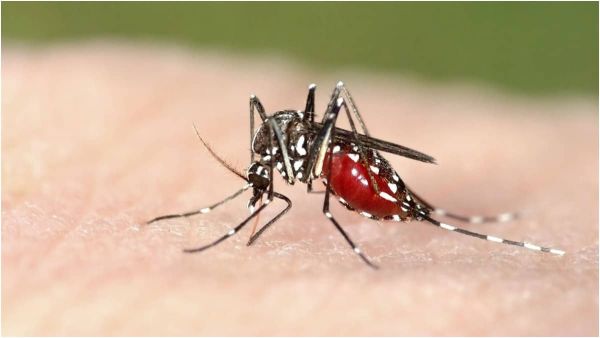
World Malaria Day is observed annually on April 26. The World Health Organisation (WHO) established the day to raise awareness and promote equitable access to treatment for the mosquito-borne infection. The goal of the day is to propagate the message that the infection, though prevalent, is preventable and treatable. India still has one of the highest caseloads of Malaria in the world. However, the numbers are decreasing significantly over the years. Severe cases of malaria remain the cause of several deaths in the country. However, with the right preventive measures and timely treatment, the infection can be contained. Several studies have shown that some people are more susceptible to contracting malaria than others.
Who is most susceptible to malaria infection?
A report by WHO suggests that “Infants, children under 5 years, pregnant women and girls, travellers and people with HIV or AIDS” are at a higher risk of contracting the Malaria infection. Speaking of the risks for pregnant women, the then WHO Regional Director for South-East Asia, Saima Wazed, shared, "Pregnant women also face heightened risks, as pregnancy reduces immunity to malaria, making them more susceptible to infection and severe disease. Gender inequalities, discrimination, and harmful gender norms further increase their vulnerability." She also added, “Without timely and appropriate intervention, malaria in pregnancy can have devastating consequences, including severe anaemia, maternal death, stillbirth, premature delivery, and low-birth-weight babies.”
Today is #WorldMalariaDay
— World Health Organization (WHO) (@WHO) April 24, 2026
Did you know only the female Anopheles mosquito can transmit #malaria?
They need blood ? to lay their eggs and that’s how the parasite spreads to humans.
Here are 3 things to know:
? They usually bite in the evening or at night often while you’re… pic.twitter.com/DTssiOQQmH
What are the symptoms of malaria?
The most common #malaria symptoms include:
— World Health Organization (WHO) (@WHO) April 25, 2026
? fever
? chills
? weakness
? other flu-like symptoms
Get help from a healthcare professional if you experience these symptoms.
Learn more about malaria https://t.co/tSQHIlECJF#WorldMalariaDay pic.twitter.com/PvtIEJ3EtA
As per WHO, the most commonly detectable symptoms of the infection are fever, headache and chills. The symptoms begin 10-15 days after being bitten by a mosquito. Some severe symptoms of the infection include extreme tiredness and fatigue, impaired consciousness, multiple convulsions, difficulty breathing, dark or bloody urine, jaundice (yellowing of the eyes and skin) and abnormal bleeding. Early detection and timely treatment can help prevent in malaria from causing extreme damage.
-
IPL 2026: Home ground is just in name, we have no control over the pitch… DC coach expressed pain after the defeat to CSK

-
‘Backstabbed’: DMK fumes as Congress backs Vijay’s TVK in Tamil Nadu

-
IPL 2026: Finch hails Samson’s match-winning 87* for CSK vs DC
-
Rohit Sharma agreed to play only when Pandya was out? ‘Mahabharata’ in Mumbai Indians – News Himachali News Himachali

-
Mini Thailand in India: Greenery, waterfalls and peace… Mini Thailand is here in India, the views will win hearts