Malai skincare benefits: A simple home remedy that actually works
ETimes | April 25, 2026 5:40 PM CST
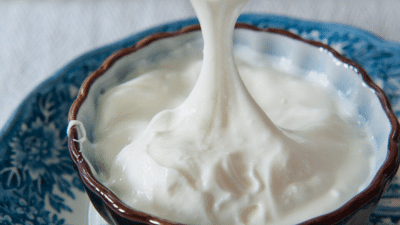
We all know the agonizing summer drill. You step out into the afternoon sun for barely an hour, and boom—you’re left with a stubborn, patchy tan that absolutely refuses to budge. Next thing you know, you're dropping a small fortune on anti-tan facials, chemical peels, and an endless array of serums. But what if the ultimate fix is literally sitting in your refrigerator right now?
Enter malai, or fresh milk cream. I know, I know. Your grandmother has probably been hounding you to use it for years, and it's incredibly easy to write it off as just another messy, outdated home remedy. We spend so much time tracking down the latest South Korean beauty imports that we completely ignore the heavy hitter sitting right there in our own kitchens. But here's the thing: it’s not just nostalgia. There is actual, solid science backing up milk cream as a total skincare powerhouse.
The Chemistry of Milk Cream
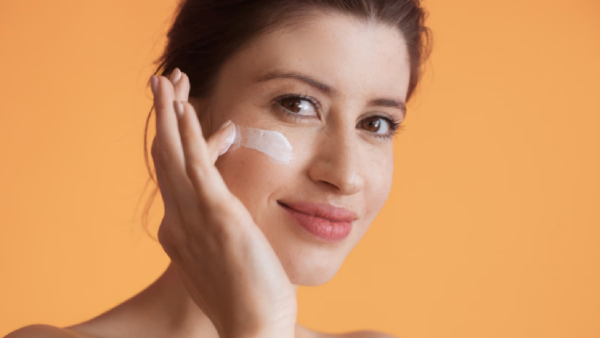
So, why does malai actually work? It comes down to its chemical makeup—specifically, lactic acid. If you're a skincare nerd who tracks active ingredients, you already know lactic acid is a fantastic Alpha Hydroxy Acid (AHA). When you slap it on your face, it gets to work breaking down the glue holding dead, sun-damaged skin cells together.
This triggers healthy cellular turnover. But the real magic happens because of the fat. The heavy, natural lipids in the cream step in to repair your skin's protective barrier while the acid exfoliates. It deeply hydrates and completely bypasses the microscopic tears you normally get from those harsh, gritty walnut scrubs. It’s essentially a gentle chemical peel, minus the redness.
The Glow-Up: Malai and Turmeric
Got a dinner or an event and need your skin to wake up immediately? This is the one. Turmeric is packed with curcumin, a compound with aggressive anti-inflammatory and antioxidant properties that actually tell your skin to stop overproducing melanin.
● The Mix: Take a tablespoon of fresh malai and mix in a tiny pinch of wild turmeric. (Pro tip: stick to kasturi haldi so you don't end up temporarily staining your face yellow).
● The Routine: Smooth an even layer over the tanned patches. Let it chill for 15 to 20 minutes, then rinse it away with lukewarm water. The Exfoliator: Malai, Besan, and Rose Water If you have oily skin, smearing pure milk fat on your face sounds like a one-way ticket to Breakout City. Here’s how you tweak it.
● The Mix: Blend a tablespoon of malai with a spoonful of besan (gram flour). Add just enough rose water to make a smooth paste. The besan acts as a super-mild physical exfoliant and soaks up the excess grease from the cream.
● The Routine: Let the paste semi-dry on your face for about 15 minutes. Right before you wash it off, gently massage your skin in circles. This physically lifts off the loosened dead cells.
The Heavy Hitter: Malai and Lemon
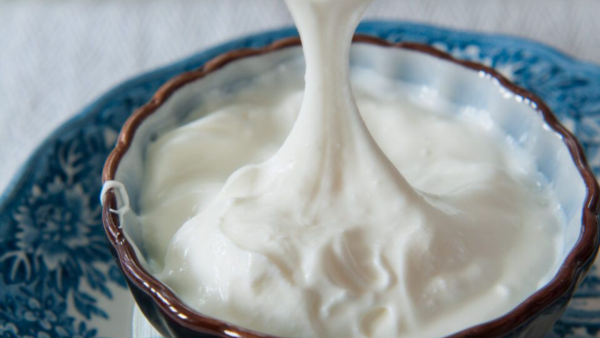
Dealing with a dark, deeply set tan? You need a potent AHA/BHA combo. Lemon juice is practically bursting with Vitamin C and citric acid—a brilliant natural bleach. But applying straight lemon to your skin is a massive beauty sin that leads straight to a damaged barrier. Malai acts as the perfect buffer, allowing the acid to work without burning your skin.
● The Mix: One tablespoon of malai mixed with half a teaspoon of fresh lemon juice.
● The Routine: Apply it to the tanned areas for 10 to 15 minutes max, then wash off with cool water.
The Golden Rules
Before you go raiding the dairy shelf, a quick reality check. Stick to doing this two or three times a week. Even with something as gentle as lactic acid, over-exfoliation is real. Also, watch your water temperature. Rinsing with hot water will literally melt away the nourishing fats your skin just absorbed, so stick to cool or lukewarm.
Finally—and this is non-negotiable—wear your sunscreen. Because these masks reveal fresh, new skin cells, your face is going to be highly sensitive to UV rays. Skip the SPF the next morning, and you’ll just end up tanning twice as fast.
Enter malai, or fresh milk cream. I know, I know. Your grandmother has probably been hounding you to use it for years, and it's incredibly easy to write it off as just another messy, outdated home remedy. We spend so much time tracking down the latest South Korean beauty imports that we completely ignore the heavy hitter sitting right there in our own kitchens. But here's the thing: it’s not just nostalgia. There is actual, solid science backing up milk cream as a total skincare powerhouse.
The Chemistry of Milk Cream
So, why does malai actually work? It comes down to its chemical makeup—specifically, lactic acid. If you're a skincare nerd who tracks active ingredients, you already know lactic acid is a fantastic Alpha Hydroxy Acid (AHA). When you slap it on your face, it gets to work breaking down the glue holding dead, sun-damaged skin cells together.
This triggers healthy cellular turnover. But the real magic happens because of the fat. The heavy, natural lipids in the cream step in to repair your skin's protective barrier while the acid exfoliates. It deeply hydrates and completely bypasses the microscopic tears you normally get from those harsh, gritty walnut scrubs. It’s essentially a gentle chemical peel, minus the redness.
The Glow-Up: Malai and Turmeric
Got a dinner or an event and need your skin to wake up immediately? This is the one. Turmeric is packed with curcumin, a compound with aggressive anti-inflammatory and antioxidant properties that actually tell your skin to stop overproducing melanin.
● The Mix: Take a tablespoon of fresh malai and mix in a tiny pinch of wild turmeric. (Pro tip: stick to kasturi haldi so you don't end up temporarily staining your face yellow).
● The Routine: Smooth an even layer over the tanned patches. Let it chill for 15 to 20 minutes, then rinse it away with lukewarm water. The Exfoliator: Malai, Besan, and Rose Water If you have oily skin, smearing pure milk fat on your face sounds like a one-way ticket to Breakout City. Here’s how you tweak it.
● The Mix: Blend a tablespoon of malai with a spoonful of besan (gram flour). Add just enough rose water to make a smooth paste. The besan acts as a super-mild physical exfoliant and soaks up the excess grease from the cream.
● The Routine: Let the paste semi-dry on your face for about 15 minutes. Right before you wash it off, gently massage your skin in circles. This physically lifts off the loosened dead cells.
The Heavy Hitter: Malai and Lemon
Dealing with a dark, deeply set tan? You need a potent AHA/BHA combo. Lemon juice is practically bursting with Vitamin C and citric acid—a brilliant natural bleach. But applying straight lemon to your skin is a massive beauty sin that leads straight to a damaged barrier. Malai acts as the perfect buffer, allowing the acid to work without burning your skin.
● The Mix: One tablespoon of malai mixed with half a teaspoon of fresh lemon juice.
● The Routine: Apply it to the tanned areas for 10 to 15 minutes max, then wash off with cool water.
The Golden Rules
Before you go raiding the dairy shelf, a quick reality check. Stick to doing this two or three times a week. Even with something as gentle as lactic acid, over-exfoliation is real. Also, watch your water temperature. Rinsing with hot water will literally melt away the nourishing fats your skin just absorbed, so stick to cool or lukewarm.
Finally—and this is non-negotiable—wear your sunscreen. Because these masks reveal fresh, new skin cells, your face is going to be highly sensitive to UV rays. Skip the SPF the next morning, and you’ll just end up tanning twice as fast.
READ NEXT
-
Missing lecturer found dead in well in Udupi; suicide suspected

-
Who is the New Vice Chairman of Niti Aayog? Meet Ashok Kumar Lahiri and His Team!

-
Political Turmoil for AAP as Key Leaders Depart

-
Nepal Takes Action: Illegal Settlements Along Bagmati River Cleared in Kathmandu

-
Mali news: Doors and windows 'rocked by blasts' as 'coordinated attack' sweep cities