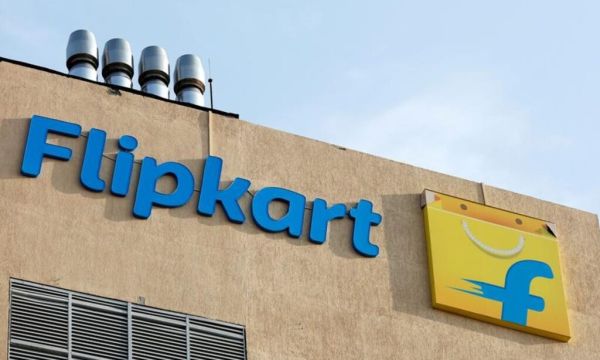
Walmart-owned Flipkart is doubling down on quick commerce with plans to spin off its Minutes service into a standalone app. The move signals a strategic shift as the company looks to deepen its presence in one of India’s most competitive and fastest-evolving digital segments.
Currently available as a tab within the main Flipkart app, Minutes allows users to order groceries and essentials with rapid delivery timelines. By turning it into a separate app, Flipkart aims to create a more focused, high-frequency experience tailored to everyday needs—where speed, convenience, and repeat usage drive growth.
Credits: KNN India
Why a Standalone App Matters
The decision to carve out Minutes into its own platform isn’t just cosmetic—it reflects how quick commerce is evolving. Unlike traditional e-commerce, which thrives on occasional, high-value purchases, quick commerce is built on frequent, impulse-driven orders.
A standalone app allows for faster navigation, simplified interfaces, and hyper-personalised recommendations. These factors are critical in reducing friction and encouraging repeat orders. Industry experts point out that such apps can also sharpen merchandising strategies, making it easier to push time-sensitive deals, trending items, and location-specific inventory.
This shift mirrors a broader industry trend where companies are separating high-frequency use cases from their core platforms to drive engagement and retention.
Following a Growing Industry Playbook
Flipkart isn’t alone in this strategy. Rival platforms have already begun experimenting with standalone apps to maximise user stickiness. For instance, Swiggy launched a dedicated app for its Instamart service while continuing to offer it within its primary ecosystem.
This dual-app strategy enables companies to cater to different consumer mindsets—one focused on quick, everyday needs, and the other on broader discovery and shopping journeys. For Flipkart, a standalone Minutes app could similarly help build a distinct identity for its quick commerce offering, separate from its marketplace roots.
Food Delivery Play: The Next Frontier
In addition to the standalone app, Flipkart is reportedly planning to pilot a food delivery service around June. This initiative is expected to be integrated within the main Flipkart app and may involve collaboration with the government-backed Open Network for Digital Commerce.
If executed well, this move could place Flipkart in direct competition with established food delivery players while leveraging ONDC’s open network to scale efficiently. It also aligns with a broader trend of platforms expanding into adjacent high-frequency categories to capture a larger share of daily consumer spending.
By combining quick commerce with food delivery, Flipkart could build a more comprehensive ecosystem—one that addresses both grocery and meal needs within a single digital environment.
Rising Competition Heats Up the Market
Flipkart’s aggressive push comes at a time when competition in quick commerce is intensifying rapidly. Players across the board are investing heavily in infrastructure, particularly dark stores, to reduce delivery times and improve service reliability.
Meanwhile, Amazon has announced a ₹2,800 crore investment to expand its operations network and strengthen its quick commerce footprint in India. This signals that the battle for dominance in this segment is far from settled.
With multiple players racing to promise deliveries within minutes, operational efficiency and last-mile logistics have become key differentiators. Companies are now competing not just on speed, but also on assortment, pricing, and user experience.
Building for High-Frequency Consumption
Flipkart has already laid the groundwork for scaling Minutes, with hundreds of dark stores supporting its operations. Expanding this network will be crucial as the company looks to compete with entrenched rivals and meet rising consumer expectations.
Spinning off Minutes into a standalone app could also help Flipkart better position the service as a daily-use platform rather than just an extension of its marketplace. This distinction is important in building habitual usage—something that defines success in quick commerce.
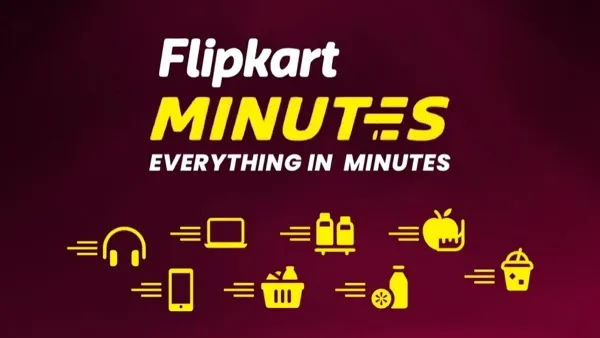
Credits: Tech Research Online
The Road Ahead
Flipkart’s strategy reflects a clear understanding of where digital consumption is headed—towards faster, more frequent, and more personalised experiences. By investing in a standalone app and exploring food delivery, the company is not just reacting to competition but actively shaping its next growth phase.
While timelines for the public rollout of the Minutes app remain unclear, the intent is evident: Flipkart wants to be at the center of India’s quick commerce revolution. And in a market where convenience is king, that ambition could redefine how millions of users shop every day.
-
Rinku, Narine shine as KKR tide over LSG in Super Over
-
NSA Doval discusses regional situation with UAE President Al Nahyan
-
Cases against SP Media Cell, another X handle for spreading rumours over Ghazipur incident

-
Veteran Martin Goodwill Stuns Champion Sourav Kothari In Thrilling IBSF Billiards Clash
-
'The Advertisement With Akshay Kumar Happened Through…': India's Triple Jump Star Niharika Vashisht Shares Her Experience Of Working With Bhoot Bangla Actor | Video