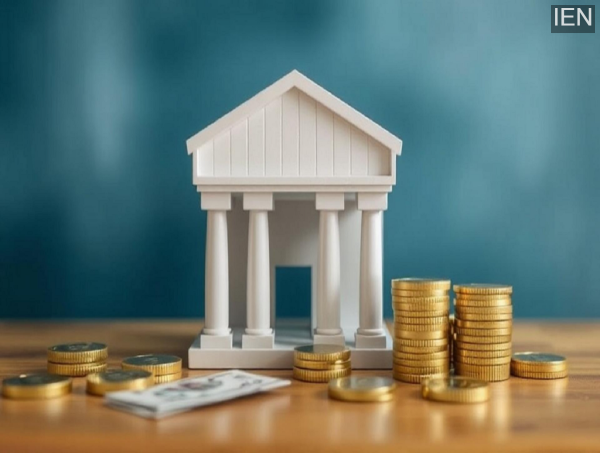
Bank NPAs: Almost everyone holds a bank account, but is your bank safe? If you aren't sure, read this report first, and then decide whether to keep your current account or switch to another bank.
Rise in Bank NPAs: Having a bank account is commonplace these days; from children to the elderly, virtually everyone holds at least one bank account. Whether that account is with a public sector bank or a private bank depends entirely on the consumer and their specific needs. However, do you know whether your bank is truly safe? If you don't, this report is bound to leave you shocked.
Private Banks Hit Hard by 'Bad Loans'
According to a report by the rating agency ICRA (Investment Information and Credit Rating Agency of India Limited), the rate at which 'bad loans' (NPAs) are rising in private banks is significantly higher than in public sector banks. In FY27 (Financial Year 2027), fresh bad loans in private banks are projected to reach approximately 2.0%, up from 1.8% in FY26. In contrast, this figure is estimated to remain around 1.2% for public sector banks—an increase from 0.9% in FY26. In other words, public sector banks appear to be safer than private banks.
What Are 'Bad Loans'?
For those who are unaware, 'bad loans' are also referred to as NPAs (Non-Performing Assets). These are loans where a bank extends credit to a consumer but is subsequently unable to recover the funds. After issuing a loan, the bank establishes a fixed installment schedule that the consumer is required to pay every month. However, when a consumer becomes unable to repay these installments, the loan falls into the category of a 'bad loan.' Typically, the customer is given a grace period of 90 days (three months) before this classification takes effect.
Private Banks Offer Unsecured Loans
It is worth noting that private banks frequently offer unsecured loans (loans without collateral) as well as loans to MSMEs (Micro, Small, and Medium Enterprises). Consequently, the risk of these loans turning into 'bad loans' is significantly higher. The risk of default is particularly high when these loans are extended to small business owners or granted as personal loans. If a business collapses—or even faces the slightest setback—the borrower is unable to repay the loan.
-
Virgo Horoscope Today, April 24, 2026: Why Overthinking Could Be Your Biggest Challenge Today

-
May 2026 SSI payment schedule: Will millions get benefits on May 1, and how much will they receive?
-
Bluestone Q4 revenues up 48%, swings to full-year profit

-
In two Amazon units, 'builder' replaces traditional job titles
-
Microsoft plans first voluntary employee buyout: Report