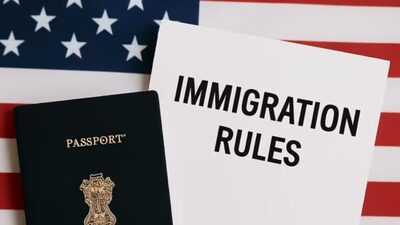
A quiet but important change is happening among Indian Americans living in the United States. For years, the U.S. was seen as the ultimate destination for Indians seeking better opportunities and a stable future. Now, that dream is starting to fade for many. A recent survey by the Carnegie Endowment for International Peace, conducted with YouGov, shows that a growing number of Indian Americans are feeling uncertain and even thinking about leaving the country.
The survey, which included 1,000 respondents, found that nearly 40% of Indian Americans have at some point considered emigrating. The reasons are not simple or singular. Instead, they are shaped by a mix of political dissatisfaction, rising living costs and social concerns that are becoming harder to ignore.
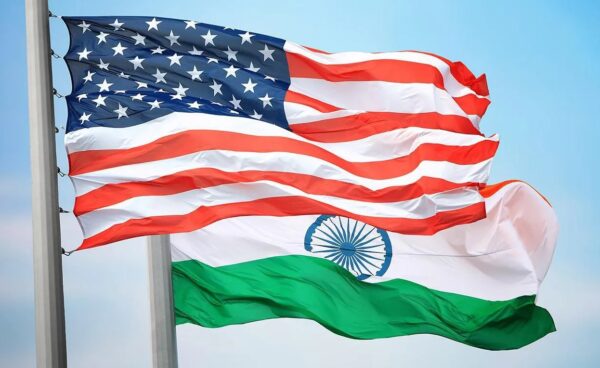
In simpler terms, the survey found that while a smaller group frequently thinks about leaving, a larger portion has at least occasionally considered it. Among all the concerns, frustration with U.S. politics stands out as the most common reason, affecting more than half of the respondents. Close behind are worries about the high cost of living and concerns about personal safety.
It’s important to remember that more than 5.2 million people of Indian origin currently live in the United States. This makes the trend even more significant, as it reflects the mindset of one of the largest and most successful immigrant communities in the country.
Discontent During Donald Trump’s Second Term
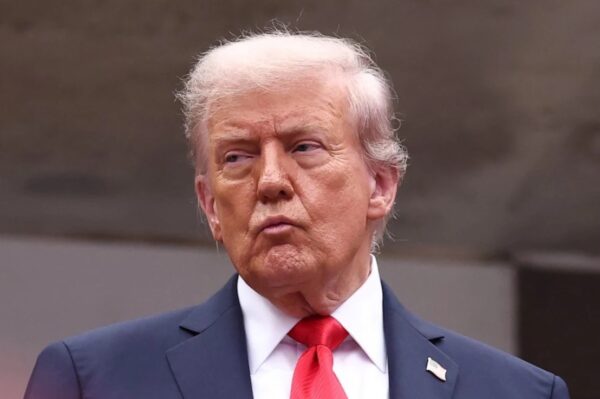
Politics appears to be at the center of this shift. Around 58% of those who are considering leaving said the political climate is the main reason. Much of this dissatisfaction is linked to Donald Trump’s second term as the President. In fact, about 71% of respondents said they were unhappy with how key issues like the economy, immigration and international relations are being handled.
Interestingly, foreign policy, including U.S.-India relations, is not a major concern for most people. Instead, many are more troubled by domestic issues. They feel uneasy about the tone of political discussions and what they see as a more exclusionary approach to national identity. Analysts believe that messaging focused on prioritising Americans has made immigrant communities, including Indian Americans, feel less included.
Everyday Discrimination and Social Unease
Social factors are also adding to the concern. While there hasn’t been a major increase in violent incidents since 2020, many people report a rise in subtle or everyday discrimination. This includes uncomfortable situations at work or negative interactions online.
Some respondents said that they have started changing how they behave, avoiding certain topics, being more cautious in public or simply trying to blend in more. Others shared that they don’t feel as safe as they used to. For many first-generation immigrants and non-citizens, these small but repeated experiences create a lasting sense of discomfort, making them question their future in the country.
Rising Costs Are Hard to Ignore
Financial pressure is another major factor. Living in the United States has become significantly more expensive, especially in large cities and tech hubs. For many middle-class families, long-term settlement now feels less practical.
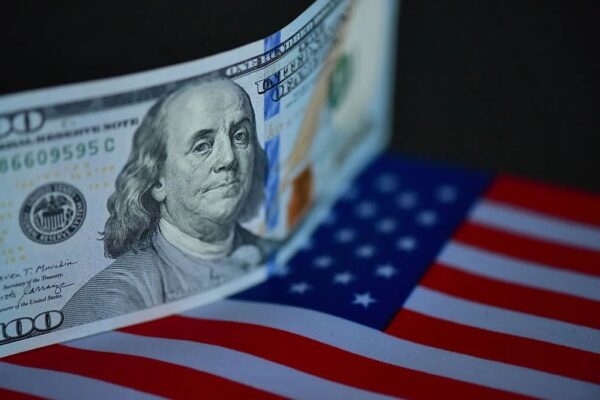
Inflation and job security are key concerns, mentioned by 21% and 17% of respondents. The cost of raising a child has crossed $300,000 and renting a one-bedroom apartment in cities like San Francisco, Seattle and New York can cost anywhere between $3,000 and $5,000 per month. These numbers are forcing families to rethink their plans and priorities.
Immigration Challenges Add to Frustration
The U.S. immigration system remains one of the biggest long-term challenges. Many Indian professionals, especially those on temporary work visas, continue to face long delays in getting green cards. Visa backlogs and policy uncertainty only make things worse.
Recent visa bulletins have reinforced the idea that permanent residency is still far away for many. For people who have spent years or even decades in the U.S., this lack of stability is deeply frustrating.
Changing Political Identity
Another interesting trend is the shift in political identity among Indian Americans. They are no longer strongly tied to one political party. Since 2020, fewer people identify as Democrats, while support for Republicans has remained mostly unchanged.
At the same time, about 30% of respondents now identify as independents, a number that is steadily growing. This shows that more people are moving away from party loyalty and focusing instead on practical issues like safety, job stability and long-term security.
Overall, the findings suggest that for many Indian Americans, the idea of settling in the United States is becoming more uncertain. What was once a clear dream is now filled with difficult questions about the future!
The post American Dream Breaking? 40% Indian Americans Are Now Thinking Of Leaving The U.S. appeared first on RVCJ Media.
-
Telangana Cabinet undecided on appealing Ghose Commission verdict in SC

-
India urges citizens not to travel to Iran, asks those there to leave
-
Tamil Nadu Sees Accelerated Voting Surge; Turnout Matches 2021 Levels Hours Earlier
-
EXPLAINED| Why CSK Players Are Wearing Black Armbands In IPL 2026 Match Against Mumbai Indians

-
Delhi Capitals Sign Rehan Ahmed As Replacement For Ben Duckett In IPL 2026