
The price of widely used medicines in England has surged by up to 30%, with pharmacists warning that the Iran conflict has triggered severe supply chain disruption and pushed essential drugs into shortage and inflation. Community pharmacies say over-the-counter prices for paracetamol and cetirizine-one of the UK's most common painkillers and a standard hay fever treatment-have risen between 20% and 30% since February, as transport costs, fuel prices and chemical shortages feed through the system.
Wholesalers have sharply increased charges to pharmacies, in some cases by far more. One pharmacist reported the wholesale price of a 100-pack of 500mg paracetamol jumping from 41p to £1.99 at the end of March before easing to £1.09. Even so, margins are still under pressure and retail prices are rising at the till.
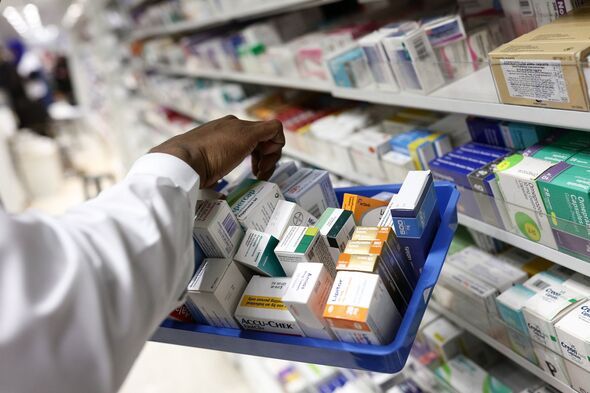
A typical 32-pack of paracetamol that cost £1.19 before the crisis now sells for around £1.50 in some pharmacies. Cetirizine costs have almost doubled at wholesale level since January, with some distributors charging up to £3 per pack.
Pharmacists say the pressure is being driven by a chain reaction stemming from the Middle East conflict, which has pushed up global fuel prices and disrupted petrochemical supply routes used in drug manufacturing. Petrol and diesel increases have inflated transport and production costs, while air freight-used for around one in five NHS medicines-has reportedly doubled in price.
At the same time, supplies of key petroleum-derived chemicals used to manufacture common medicines such as paracetamol, aspirin and co-codamol have tightened, further squeezing production.
The National Pharmacy Association says the system is now under "eye-watering" strain, with government price concessions issued for a record 230 medicines in March alone-up from 90 a year earlier. These concessions are meant to reimburse pharmacies when wholesale prices spike, but many common products, including paracetamol and cetirizine, are not covered.
That has left some pharmacies selling at a loss or limiting stock. In some cases, aspirin has temporarily been withdrawn from over-the-counter sale due to supply issues that predate the current crisis but have worsened in recent weeks.
Industry leaders warn the situation could escalate further if key shipping routes remain disrupted. Manufacturers say rising transport costs, in some cases up 700%, and shortages of raw materials could drive further increases or shortages within weeks.
Olivier Picard of the National Pharmacy Association said wholesalers had doubled prices on some basic medicines within days of restocking.
He warned that while temporary shortages are not unusual in the UK, the current combination of geopolitical instability and supply chain fragility is creating a far more volatile environment.
He told The Guardian: "It means that the cost of medicine is soaring and ends up being pharmacies dispensing at a loss."
Despite rising costs, pharmacists are urging the public not to stockpile medicines, warning that panic buying would intensify shortages and push prices higher still.
The crisis is also feeding into wider pressure on the NHS medicines budget and accelerating closures in the community pharmacy sector, with around 1,400 pharmacies shutting since 2020 amid rising costs and shrinking margins.
With hay fever season approaching, pharmacists warn further price increases for antihistamines like cetirizine could hit consumers within weeks, unless supply chains stabilise.
-
A Major Gift from the Modi Government! Under This Scheme, You Could Now Receive ₹10,000 Per Month Instead of ₹5,000

-
Education loan turns costly: avoid this mistake—student returns from US empty-handed after facing financial setbacks.

-
Can you take two personal loans at once? Know bank rules, eligibility, and whether it’s beneficial or risky for you.

-
₹74,000 Vanish with a Single Click: Don't Make the Same Mistake as This Bengaluru Man

-
Bengal Vs Tamil Nadu: 91.46% Vs 84.41% - High Turnout, Contrasting Poll Day Stories