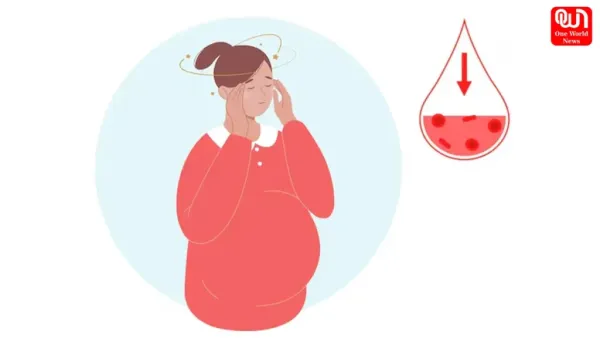
Pregnancy is a beautiful journey, but it also places extra demands on your body—especially when it comes to nutrients like iron. One of the most common conditions during pregnancy is anaemia, particularly iron-deficiency anaemia. Surprisingly, many women experience symptoms without realizing they are linked to anaemia.
Understanding the Symptoms of Anaemia early can help you take timely action and ensure a healthier pregnancy for both you and your baby.
Why Anaemia Happens During Pregnancy
During pregnancy, your blood volume increases by up to 30%, which means your body needs more iron to produce healthy red blood cells.
If your body cannot meet this demand, haemoglobin levels drop, leading to anaemia. This reduces oxygen supply to your organs and your baby, causing a range of symptoms—many of which are easy to overlook.
Read more: World Tapas Day 2026: A Delicious Celebration of Spanish Culture and Small Plates
Common Symptoms of Anaemia That Feel “Normal”
Many anaemia symptoms overlap with typical pregnancy discomforts, making them easy to ignore.
1. Constant Fatigue and Weakness
Feeling tired is expected during pregnancy—but extreme or persistent fatigue could signal anaemia. This happens because your body isn’t getting enough oxygen to function efficiently.
If you feel exhausted even after resting, it’s worth paying attention.
2. Shortness of Breath
Do you feel breathless after minimal activity like walking or climbing stairs? Low haemoglobin reduces oxygen levels, making your body work harder to breathe.
This symptom is often dismissed as a normal pregnancy change—but it can indicate anaemia.
3. Pale or Dull Skin
A noticeable paleness in your face, lips, or nails may be a sign of reduced red blood cells.
In darker skin tones, this may appear as a grayish or yellowish tint rather than obvious paleness.
4. Dizziness or Lightheadedness
Feeling dizzy when standing up or moving quickly is another overlooked symptom. This occurs when your brain doesn’t receive enough oxygen.
Frequent dizziness should never be ignored during pregnancy.
5. Rapid or Irregular Heartbeat
Your heart may start beating faster to compensate for low oxygen levels. This can feel like fluttering or pounding in your chest.
While occasional changes are normal, consistent palpitations need attention.
Subtle Symptoms Most Women Miss
Some symptoms of anaemia are less obvious but equally important.
6. Difficulty Concentrating
Brain fog is common in pregnancy, but anaemia can make it worse by reducing oxygen supply to the brain.
7. Headaches
Frequent headaches may result from low oxygen levels in the blood.
If your headaches are persistent or worsening, it’s worth checking your iron levels.
8. Cold Hands and Feet
Poor circulation caused by anaemia can leave you feeling unusually cold, even in warm environments.
9. Hair Fall or Brittle Nails
Iron deficiency can affect your skin, hair, and nails, leading to hair thinning or fragile nails.
10. Unusual Cravings (Pica)
Craving non-food items like ice, clay, or chalk is a lesser-known symptom of iron deficiency anaemia.
Why You Should Not Ignore These Symptoms
Anaemia during pregnancy isn’t just about feeling tired—it can lead to serious complications if left untreated. These may include:
- Premature birth
- Low birth weight
- Increased risk of infections
- Delayed recovery after delivery
In severe cases, it can even affect your baby’s development.
When Should You See a Doctor?
You should consult your doctor if you experience:
- Persistent fatigue
- Frequent dizziness
- Breathlessness
- Rapid heartbeat
- Unusual cravings
Anaemia is usually diagnosed through a simple blood test called a complete blood count (CBC).
Early diagnosis makes treatment easier and more effective.
Read more: The Truth About Sugar-Free Biscuits: Are They Really Healthy?
Final Thoughts
The challenge with the Symptoms of Anaemia during pregnancy is that they often mimic everyday pregnancy discomforts. But ignoring these signs can impact both maternal and fetal health.
Listen to your body. If something feels “off” or more intense than usual, don’t brush it aside. A simple check-up and the right nutrition can make a significant difference.
Your health is the foundation of your baby’s well-being—don’t overlook the signs your body is giving you.
-
India, Japan can take partnership ‘to the next level’: Harsh Shringla

-
KTR alleges GO 7 is dark attempt to dismantle fee reimbursement

-
Delhi rain brings respite from heat amid changing weather patterns

-
Jeremy Clarkson stunned as Who Wants To Be A Millionaire contestant loses record sum

-
David Kendall, Influential Figure Behind 'Boy Meets World', Passes Away at 68