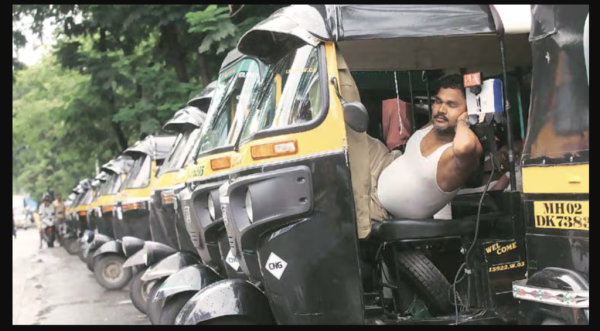
A major controversy is unfolding in Maharashtra as nearly 15 lakh auto and taxi drivers prepare for a statewide protest starting May 4. The agitation comes in response to the government’s decision to make Marathi language proficiency mandatory for all commercial drivers.
Driver unions have warned that if the rule is not withdrawn, the protest could disrupt transport services across cities like Mumbai, Pune, and beyond—impacting daily commuters significantly.
What is the Marathi Proficiency Rule?
The Maharashtra government has mandated that all licensed auto-rickshaw and taxi drivers must be able to read, write, and speak basic Marathi. The rule will come into effect from May 1, with enforcement carried out through verification drives at multiple Regional Transport Offices (RTOs).
Drivers who fail to meet the criteria risk suspension or cancellation of their permits—making this more than just a compliance requirement; it’s a livelihood issue.
Why Are Drivers Protesting?
Unions argue that the rule is unfair, especially for drivers who have been operating legally for years without such restrictions. Many of them are migrants or non-Marathi speakers who depend entirely on this profession.
According to union leaders:
- The rule threatens the livelihood of lakhs of families
- Existing drivers were already granted permits without this condition
- The sudden enforcement creates uncertainty and financial stress
They have set April 28 as the deadline to submit a memorandum to the government. If ignored, daily protests will begin from May 4 across key public locations.
Government’s Stand: Language & Communication
The Maharashtra government has defended the move, stating that the rule is essential for better communication between drivers and passengers. Authorities argue that language barriers often lead to confusion, disputes, and poor service experiences.
The policy also aligns with promoting Marathi as the primary language of public interaction within the state.
Possible Impact on Daily Commuters
If the protests go ahead, Maharashtra could witness a significant disruption in public transport:
- Shortage of auto-rickshaws and taxis
- Increased waiting times for commuters
- Surge in demand for app-based cabs
With nearly 15 lakh drivers expected to participate, the scale of the protest could directly affect urban mobility.
A Debate Beyond Language
This issue has quickly evolved into a larger debate around identity, employment, and governance. While the government sees it as a step toward cultural preservation and better service, critics view it as exclusionary and impractical.
The coming weeks will be crucial. Whether the government revises the rule or stands firm, the outcome will likely shape not just transport policies—but also how language and livelihood intersect in modern India.
Summary
Maharashtra’s decision to make Marathi mandatory for auto and taxi drivers has sparked a massive protest, with 15 lakh drivers planning a statewide agitation from May 4. While the government says the rule improves communication, unions warn it threatens livelihoods. The issue highlights a larger debate around language, employment, and the future of public transport in India.