
Mumbai: Earlier of heart disease Seizures were mainly seen in the elderly. But nowadays, the risk of heart disease has increased among young people, especially women in the age group of 30-40. Early symptoms are often ignored by women, thus delaying diagnosis and treatment. So timely screening, being aware of family medical history and taking preventive care accordingly is very important to reduce the increasing heart disease problem in the youth.(Photo courtesy – istock)
Why is World Malaria Day celebrated? Take care in this way to protect the body from mosquitoes
Richa Kumar, 35, who lives and works in South Mumbai, also has two children. They considered themselves very fit. Although he experienced some symptoms like physical fatigue and mild chest discomfort, he dismissed them as stress, hectic routine and extra stress at work. In January 2026, he developed chest pains and difficulty breathing and was diagnosed with a heart attack. Further testing revealed that they were genetically at risk. His father also had a heart problem at the age of 35. Yet they did not take it seriously and did not do regular heart check-ups. He underwent angioplasty with 80% blockage and was discharged home on the fourth day. Currently she is completely fine and is coming for regular follow-up. Hence timely diagnosis and treatment is very important for everyone and understanding family medical history, regular checkups and keeping heart healthy is the need of the hour.
Dr. Bipinchandra Bhamre, (Cardiac Surgeon, Sir H.N. Reliance Foundation Hospital and Research Centre, Mumbai) That said, we see an increase in the incidence of heart attacks among young Indians, especially women between the ages of 30 and 40. Medical history also carries a significant risk factor. A family medical history alone can lead to a heart attack in many individuals without risk factors such as obesity or smoking. Common symptoms such as chest discomfort, fatigue, shortness of breath, and pain in the jaw or back are often overlooked, especially by women. If not treated in time, this increases the risk of heart failure (heart failure) or a repeat heart attack. People with a family history should get regular checkups, eat a balanced diet, exercise daily, and manage stress through yoga and meditation.
Decrease in red blood cell levels can lead to anemia, without neglecting to include ‘these’ nutrients in the diet
Dr. Sonam Tiwari (Robotic and Laparoscopic Gynaecologist, Gleneagles Hospital, Paral, Mumbai) She said, women’s heart health is often neglected due to personal and professional responsibilities. Symptoms in women may be different than in men. Hormonal changes, problems to pregnancy and genetic factors can affect the heart. Therefore, women should pay attention to symptoms such as fatigue, nausea, back pain or jaw pain. Symptoms such as severe chest pain are often seen in women, but are often mistaken for acidity or heartburn. Timely treatment can prevent heart failure and life-threatening complications. Women need to know their family medical history to protect the heart.
-
What Is Chhena Poda? Odisha’s Traditional Dessert Set To Receive GI Tag

-
IPL 2026: Rajasthan Royals Nandre Burger Fined 10% Match Fee, Gets Demerit Point for Code Breach

-
'Today, 75% Of All New Code At Google Is Now AI-Generated & Approved By Engineers': CEO Sundar Pichai

-
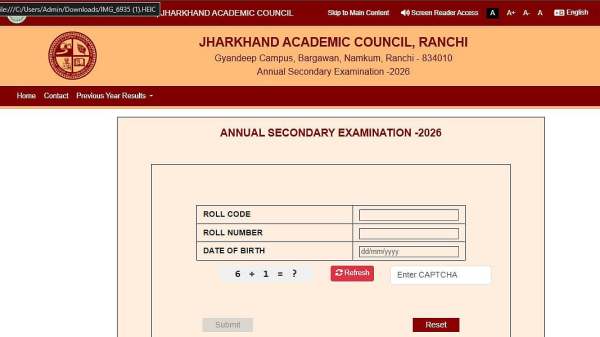
Jharkhand JAC 10th Result 2026 Declared At jacresults.com; Direct Link Here
-
Assam HS Result 2026 To Be Declared On April 28 At resultsassam.nic.in, CM Himanta Biswa Sarma Confirms