Is the end of men near? Scientists warn the Y chromosome, key to male identity, is shrinking fast after 166 million years of decay. Could humanity face a future without males in just 11 million years? Don't panic yet, nature might have a backup plan, as seen in rodents that ditched it and survived. Dive into the genetics shaking up our understanding of sex and survival.
The Y Chromosome: The Genetic Foundation Of Male Identity
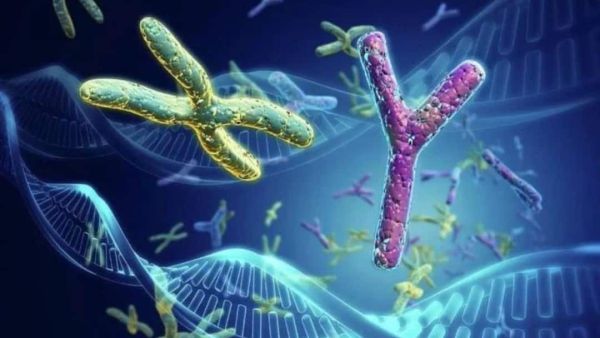
The Y chromosome is shrinking, sparking fears about men's future. This tiny genetic piece decides if a baby is a boy. It carries the SRY gene, which starts male traits like testes growth and hormone production. Passed from father to son, it helps trace family lines back in time.
But over 166 million years, the Y has lost most of its genes. It once had over 900, now just 55 active ones. Why? Unlike other chromosomes, it skips the gene-swapping process called recombination during reproduction. This leaves it open to damage and slow fade. At this rate, it may vanish in 11 million years, making male births rare and raising extinction worries.
What Study Has To Say
No need to fear total doom. Two rodents, the mole voles of Eastern Europe and Japan's spiny rats, lost their Y chromosomes long ago but keep making males. Their Y genes moved to other spots. A 2022 study in the Proceedings of the National Academy of Sciences found spiny rats grew a new male gene near SOX9 on chromosome 3, replacing the old SRY. This hints humans could adapt too if needed.
Still, risks loom for us mammals. We need sperm and eggs to reproduce, no solo acts like some reptiles. Without a fix, losing the Y could end men and threaten humans. Different groups might evolve separate systems, splitting us into new species. Science watches closely, but 11 million years gives time for change.
-
‘90% Women Can’t Enter Politics Without Compromise’: Pappu Yadav Sparks Controversy

-
Sikkim State Lottery Result: April 21, 2026, 6 PM Live - Watch Streaming Of Winners List Of Dear Prestige Tuesday Weekly Draw

-
Big Blow For CSK! India's U19 World Cup Winning Captain Ayush Mhatre Ruled Out Of IPL 2026 After Hamstring Injury

-
Laureus World Sports Awards 2026: Carlos Alcaraz, Aryna Sabalenka Shine As PSG Named Team Of The Year

-
NBEMS FMGE June 2026 Registration Begins Today At natboard.edu.in; Apply By May 11, Exam On June 28