In the crowded, restless by lanes of 1960s Bombay, where survival often depended on instinct, one man built an empire that would captivate millions.
Ratan Khatri, later known as the ‘Matka King,’ didn’t invent gambling, but he revolutionised it. By turning a niche betting system into a widely accessible ritual, he transformed a simple numbers game into a cultural phenomenon.
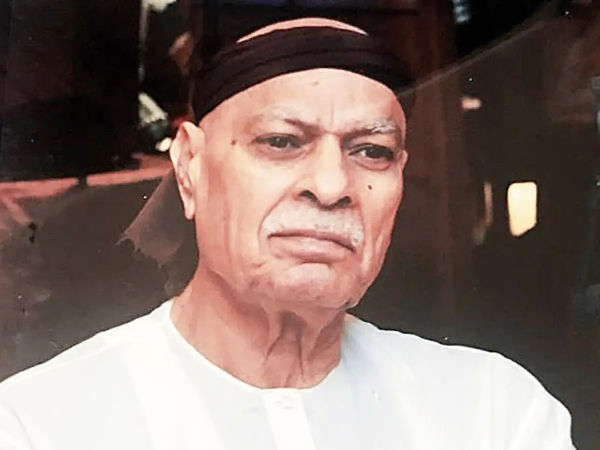
From Displacement to OpportunityBorn in Karachi in the early 1930s, Khatri’s life was reshaped by Partition. Like many displaced families, he arrived in Bombay with little more than resilience. He began working in the cotton trade, where betting already existed through the New York Cotton Exchange. However, the system lacked transparency and was prone to manipulation, something Khatri quickly identified as its biggest flaw.
 © YouTube/The Hindi
In 1962, he broke away to create Main Bazaar Matka, introducing a localised, transparent format. Instead of relying on foreign rates, numbers were drawn from a matki (earthen pot), making the process immediate and trustworthy. The simplicity of the system made it revolutionary; anyone, from mill workers to taxi drivers, could participate with minimal stakes. Soon, the daily announcement of numbers became a city-wide ritual.
 © Amazon Prime Video
A Parallel Economy Emerges
By the 1970s, Khatri’s network had expanded across India, reportedly handling bets worth crores every day. Despite operating in an illegal space, he built a reputation for fairness: winnings were honoured, and results remained credible. This paradox earned him both loyalty and scrutiny.
Crackdown and ReinventionThe Emergency in 1975 brought intense government action against matka networks. Khatri was arrested and spent nearly 19 months in prison. Though his operations suffered, they eventually resurfaced. Over time, however, increasing law enforcement pressure and evolving betting systems led him to step away from the business in the early 1990s. He lived a quiet life in Mumbai until his passing in 2020.
 © Amazon Prime Video
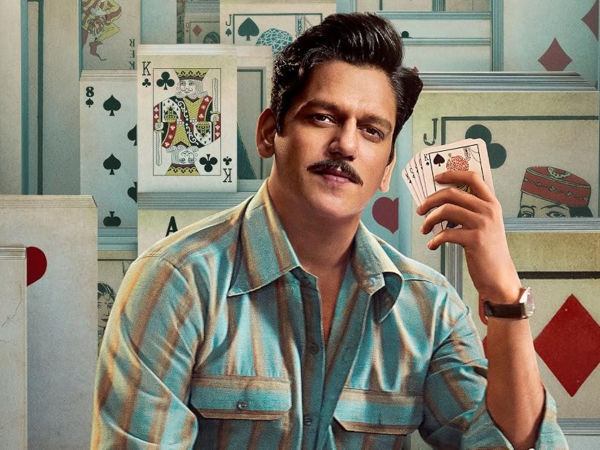
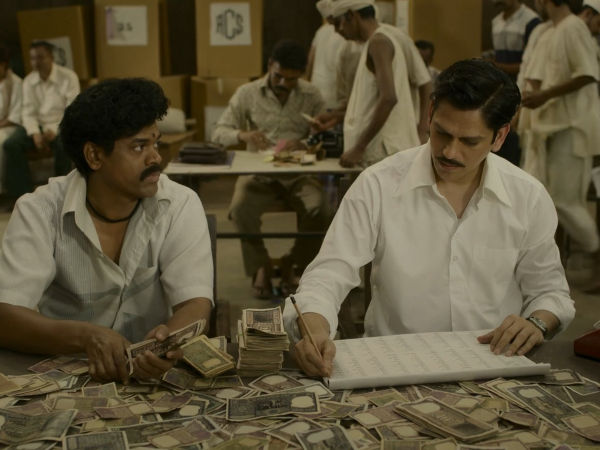
Khatri’s legacy remains polarising; seen either as a visionary who democratised opportunity or as the face of a risky underground economy. His story now finds a fictional reflection in Matka King, directed by Nagraj Manjule. The series follows Brij Bhatti, played by Vijay Varma, capturing a similar rise in a morally ambiguous world.
While not a biopic, the show mirrors the emotional core of Khatri’s journey; ambition, survival, and the fine line between legality and power. At its heart, matka was never just about numbers; it was about hope in a rapidly changing India.
-
SRH management and captain has backed me, given me freedom to express myself: Abhishek

-
35 Delhi govt officers awarded with Chief Minister's Awards marking Civil Services Day

-
Man cannot evade duty to maintain child citing wife's income: Uttarakhand HC

-
Businessman found dead at under-construction house in Aligarh; two held

-
Secrets to Living a Century: Insights from Spiritual Guru Pandit Pradeep Mishra