
Listen to this article in summarized format
Loading...
××
Subscribe to

Unlock AI Briefing and Premium Content
New Year Offer 24 Hours Left
Subscribe NowAlready a member? Sign In
What's Included
- Exclusive Stories
- Daily ePaper Access
- Smart Market Tools
- Curated Investment Ideas
- Ad-lite Experience
Subscription

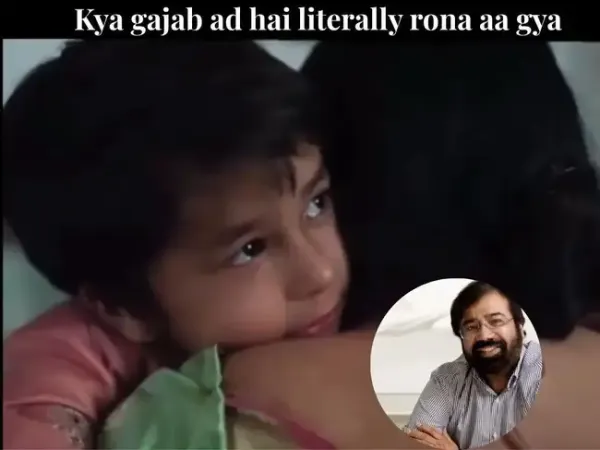
An advertisement has struck an emotional chord online after billionaire industrialist Harsh Goenka shared it on social media, calling it deeply moving. Posting the video on X, Goenka wrote, “What a beautiful ad. Rare to see something that touches your heart!” His post quickly drew attention, with viewers echoing his reaction and describing the ad as one that leaves you teary-eyed.
The tone shifts when his mother notices something is wrong. In a calm and intimate scene, she tends to his wound using Dettol antiseptic. She cleans it carefully and pulls him into a reassuring hug. There are no dramatic lines or heavy background scores—just a moment that many viewers instantly recognise.
Also Read: 'We’re almost done, but are you planning to get married?' Candidate walks out of job interview after HR asks about 'family planning situation'
“Sometimes a few minutes of video can remind us of what truly matters,” one user wrote. Another said it brought back “Maa ki yaad.” Several described it as “heart touching,” while others simply said, “Rula diya.”
Some users pointed out that such storytelling feels rare today, as brands often focus on humour or trends. A few even compared it to older advertisements that relied on emotion rather than scale.
Goenka, known for sharing thoughtful observations online, helped bring the ad into focus. His post did not just promote a brand; it sparked a wider conversation about storytelling that feels real.
Also Read: Kumar Vishwas calls out Bollywood: ‘Dhurandhar isn’t propaganda; it’s miscasting Kabir in Chak De & portraying Narad as sly’
At a time when most advertisements compete for attention with speed and noise, this Dettol film has taken a different route. It slows down, tells a simple story, and leaves space for viewers to feel something.
As reactions continue to pour in, one thing is clear: sometimes, the most powerful message is the one that feels closest to home.
A quiet story that feels familiar
The commercial does not rely on loud storytelling. Instead, it shows a slice of everyday life in an Indian household during a celebration. Amid decorations, relatives, and festive chaos, a young boy quietly hides a small injury on his knee. He continues playing, choosing not to interrupt the moment.The tone shifts when his mother notices something is wrong. In a calm and intimate scene, she tends to his wound using Dettol antiseptic. She cleans it carefully and pulls him into a reassuring hug. There are no dramatic lines or heavy background scores—just a moment that many viewers instantly recognise.
Also Read: 'We’re almost done, but are you planning to get married?' Candidate walks out of job interview after HR asks about 'family planning situation'
Viewers say it ‘hits differently’
Soon after Goenka’s post, users began sharing their reactions. Many said the ad reminded them of their childhood, when small injuries felt easier once they reached home.“Sometimes a few minutes of video can remind us of what truly matters,” one user wrote. Another said it brought back “Maa ki yaad.” Several described it as “heart touching,” while others simply said, “Rula diya.”
Some users pointed out that such storytelling feels rare today, as brands often focus on humour or trends. A few even compared it to older advertisements that relied on emotion rather than scale.
Why this ad stands out
The response to the video highlights a larger shift in what audiences connect with. Instead of spectacle, this advertisement leans on memory and emotion—small details like a child hiding pain or a mother’s quiet care.Goenka, known for sharing thoughtful observations online, helped bring the ad into focus. His post did not just promote a brand; it sparked a wider conversation about storytelling that feels real.
Also Read: Kumar Vishwas calls out Bollywood: ‘Dhurandhar isn’t propaganda; it’s miscasting Kabir in Chak De & portraying Narad as sly’
At a time when most advertisements compete for attention with speed and noise, this Dettol film has taken a different route. It slows down, tells a simple story, and leaves space for viewers to feel something.
As reactions continue to pour in, one thing is clear: sometimes, the most powerful message is the one that feels closest to home.